Atlanta does not ease you in gently — it greets you with a whale shark, a civil rights landmark, and a plate of fried chicken, sometimes all before lunch. The best things to do in Atlanta mix genuine history with creative energy: this is the birthplace of Martin Luther King Jr., the busiest film-production hub in the South, and a city that keeps reinventing its neighborhoods along an old rail line.
This guide groups the essentials so you can plan by theme: the downtown icons first, then the King historic sites, the BeltLine neighborhoods, film locations, food, and day trips. Three days covers the highlights well; four adds depth.
Top Things to Do in Atlanta: The Downtown Icons
Start at Centennial Olympic Park, built for the 1996 Summer Games, where most of the headline attractions cluster within a few minutes’ walk. The Georgia Aquarium is the anchor — one of the largest aquariums in the world, home to whale sharks, beluga whales, and a manta ray gliding over a walk-through tunnel. Buy timed tickets ahead and go on a weekday morning if you can.
Next door, the World of Coca-Cola tells the story of the city’s most famous export with vintage ads, a bottling line, and a tasting room of sodas from around the world. Across the park, the National Center for Civil and Human Rights connects Atlanta’s movement history to global struggles, and its lunch-counter sit-in simulation is quietly powerful. Sports fans can add the College Football Hall of Fame, and families traveling with kids will find the whole cluster easy to manage in a single day.
In the Footsteps of Martin Luther King Jr.
A few minutes east of downtown, the Martin Luther King Jr. National Historical Park protects the sites of King’s life: his birth home on Auburn Avenue, Ebenezer Baptist Church, where he preached alongside his father, and the King Center, where he and Coretta Scott King are buried beside a reflecting pool. Rangers lead free tours of the birth home, and spaces fill quickly, so arrive early in the day to register.
Sweet Auburn, the surrounding neighborhood, was once called the richest Black street in the world, and walking it with the church bells in the background gives the history real texture. Travelers who pair Atlanta with other Southern history cities will find a natural companion in our Charleston travel guide, which covers an older, harder chapter of the same American story.
The BeltLine and Atlanta’s Neighborhoods
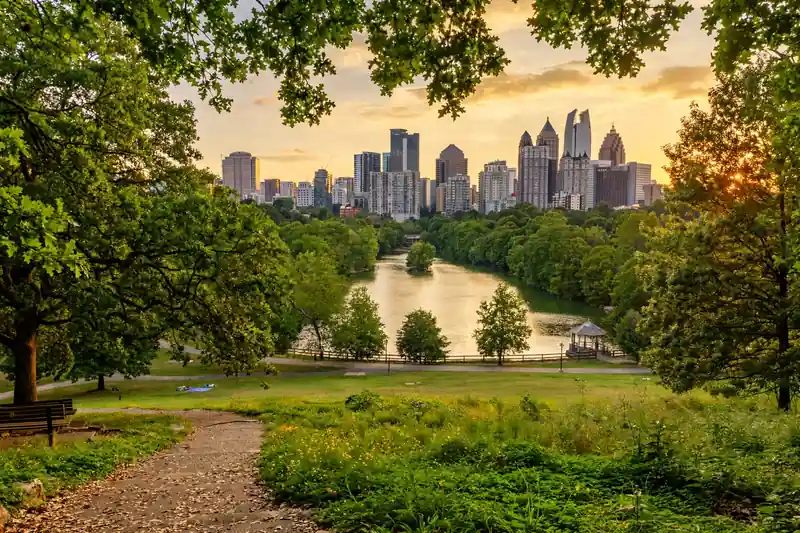
The Atlanta BeltLine is transforming a 22-mile loop of old rail corridor into trails, parks, and public art. The Eastside Trail, running from Piedmont Park down to Inman Park, is the stretch to walk first: skyline views, murals, and constant people-watching. Piedmont Park itself is the city’s green living room, with Lake Clara Meer, skyline picnic lawns, and a busy weekend farmers market.
Right beside the park, the Atlanta Botanical Garden deserves its own hour. Its Canopy Walk suspends you forty feet up in a hardwood forest, the orchid center stays lush in every season, and seasonal exhibitions hide enormous plant sculptures among the beds. It is the greenest possible contrast to the aquarium’s blue halls, and locals rank it among the city’s prettiest walks.
Halfway along the trail, Ponce City Market fills a vast restored Sears building with food stalls, local shops, and a rooftop with mini-golf and skyline views. Keep wandering into Inman Park and Little Five Points for Victorian houses, indie record stores, and Atlanta’s proudly weird streak. If you enjoy cities that wear their history in their streets, our Savannah travel guide — just four hours east — takes that atmosphere and slows it right down.
Atlanta on Screen: Film Locations
Atlanta is the Hollywood of the South: Marvel blockbusters, hit dramas, and zombie television have all shot here, and studios such as Trilith and Tyler Perry Studios rank among the largest in the country. Fans can join guided film-location tours downtown, where familiar streets have doubled for New York and beyond, or spot landmarks in Midtown and around the Georgia State Capitol’s golden dome.
Even without a tour, the city rewards screen-spotting. The Fox Theatre, a lavish 1929 movie palace in Midtown, still hosts films and Broadway tours under a ceiling of twinkling stars. Movie fans continuing south afterwards often compare notes with the film heritage woven through our Great River Road trip guide, while road-trippers crossing the South can link Atlanta to the small-town stops in our Natchez Trace Parkway road trip.
What to Eat in Atlanta
Atlanta eats like a capital. For classic Southern cooking, look for meat-and-three institutions serving fried chicken, collards, and cornbread, and book ahead for the chef-driven restaurants in West Midtown and Inman Park that regularly land on national best lists. Brunch is a competitive sport here — expect a wait, and expect it to be worth it.
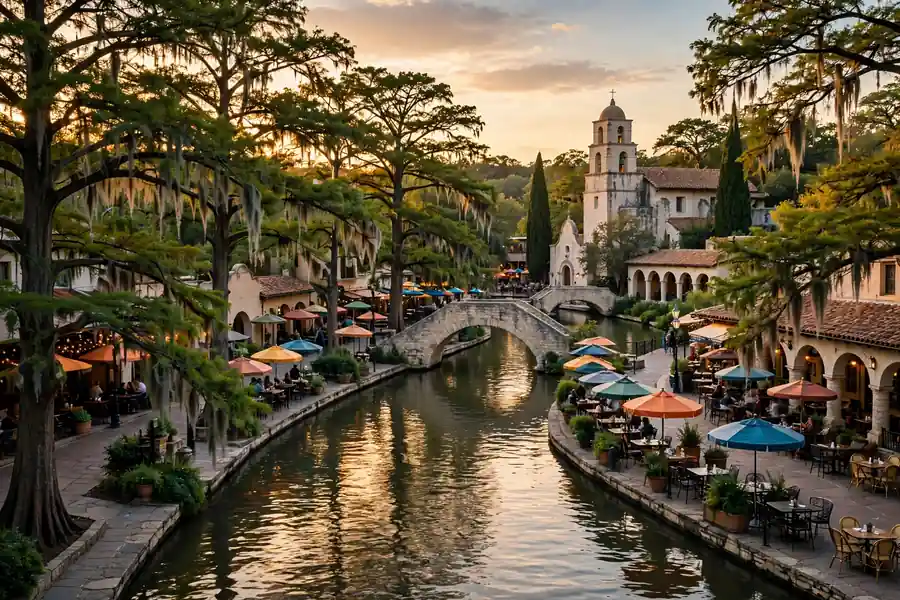
Then there is Buford Highway, a long corridor of Korean barbecue, Vietnamese pho, Mexican taquerias, and Chinese dumpling houses that locals consider the city’s true food treasure. It is the best argument in Georgia for skipping the hotel breakfast. Music-city food pilgrims will enjoy comparing the scene with the barbecue-and-tacos trail in our Austin travel guide and the Tex-Mex institutions in our San Antonio travel guide — three cities, three completely different definition of a perfect plate.
Day Trips and Getting Around
Stone Mountain, about half an hour east, pairs a huge granite dome and summit sky cable with lakeside trails and evening laser shows in season. North of the city, the Chattahoochee River National Recreation Area offers cool, shaded hiking surprisingly close to the suburbs. With more time, drive up into the north Georgia mountains — the ridgelines covered in our Blue Ridge Parkway fall foliage guide begin just beyond them, and autumn color there is some of the finest in the East.
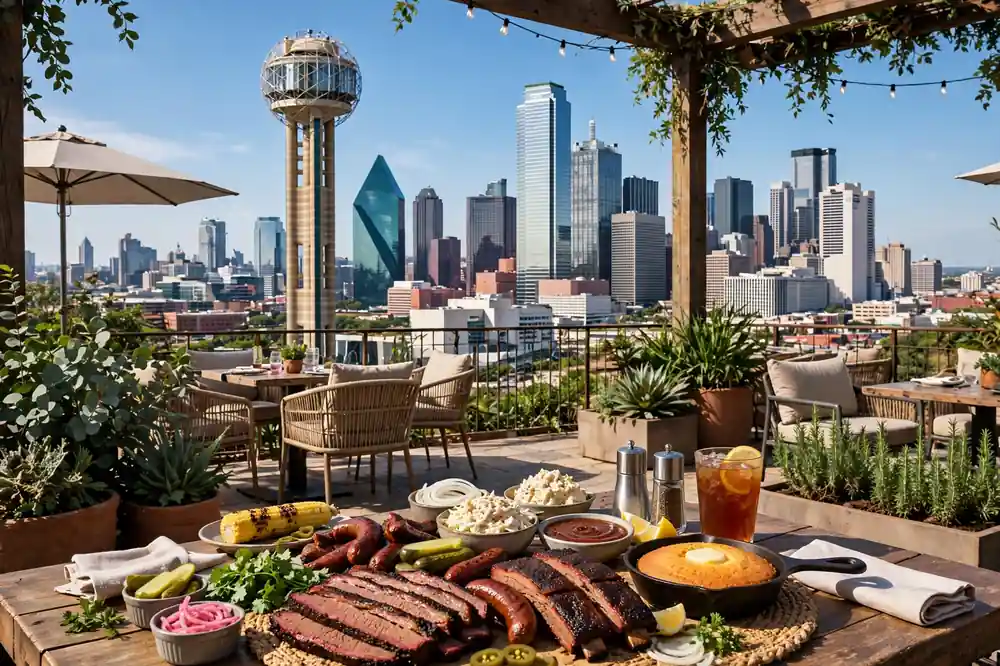
Within the city, MARTA trains connect the airport, downtown, Midtown, and Buckhead cleanly, though a car helps for neighborhoods and day trips. The planning checklists in our ultimate USA road trip planner are handy if Atlanta is one stop on a longer Southern loop, and our favorite travel apps will keep bookings, MARTA times, and restaurant waits in one place. Many visitors finish the loop in Texas, finishing with the arts-and-BBQ weekend in our Dallas travel guide.
More Museums and Only-in-Atlanta Stops
Atlanta’s second tier of sights would headline most cities. The Atlanta History Center in Buckhead spreads across 33 wooded acres, combining the region’s best Civil War and Southern history galleries with the elegant 1928 Swan House and a relocated Olympic museum. Its centerpiece, the restored Battle of Atlanta cyclorama — a massive circular painting — is a 19th-century spectacle that still impresses.
In Midtown, the High Museum of Art anchors the Woodruff Arts Center with a strong folk art and photography collection inside bright Renzo Piano wings. Families should not skip Fernbank Museum, where dinosaur giants fill the great hall and the WildWoods and Fernbank Forest trails take you into old-growth woodland without leaving the city. For something uniquely Atlanta, the Center for Puppetry Arts pairs playful performances with a museum holding original Muppets and puppets from around the world.
Round the day out at Oakland Cemetery, which sounds somber but functions as one of the city’s favorite gardens. Victorians treated it as a park, and Atlantans still do — its oak-shaded lanes, mausoleums, and city views make it a peaceful walk, especially on a guided weekend tour.
Game Day and Atlanta After Dark
Few cities take sports weekends more seriously. Mercedes-Benz Stadium, with its pinwheel roof and famously fan-friendly food prices, hosts the Falcons and one of the best-supported soccer teams in the country at Atlanta United matches, where the supporter sections sing for ninety minutes. Across town, the Battery Atlanta around the Braves’ ballpark has turned game day into an all-day street party of restaurants and live music.
After dark, Midtown’s theater district and the Fox keep evenings classic, while Edgewood Avenue and East Atlanta Village supply the live-music bars and late-night energy. Whatever your style, Atlanta rarely asks you to go home early.
Atlanta FAQs
How many days do you need in Atlanta?
Three days handles the aquarium cluster, the King sites, the BeltLine, and one good food neighborhood. Four days adds Stone Mountain or a deeper film-location day. Business travelers can cover the essentials in a focused weekend.
What is Atlanta best known for?
The civil rights movement and Dr. King’s legacy, Coca-Cola, the 1996 Olympics, the world’s busiest airport, a major film industry, and a tree canopy so dense the city is nicknamed the City in a Forest.
When is the best time to visit Atlanta?
Spring brings dogwoods, azaleas, and festival season with mild temperatures. Fall is equally comfortable and adds football energy. Summer is hot and humid, though the aquarium and museums offer excellent air-conditioned afternoons.
Key Takeaways
Atlanta rewards curiosity. Do the famous things — the whale sharks, the King sites, the BeltLine — then wander Buford Highway hungry and let a neighborhood surprise you. Few American cities hold this much history and this much forward motion in the same square mile, and that combination is exactly why it belongs on your list.