The best time to visit Alaska depends entirely on what you came for. For cruises, wildlife, and endless daylight, come between mid-May and mid-September — with June and July offering the warmest weather and the famous midnight sun. For the northern lights, flip the year completely: late August through mid-April brings the dark skies the aurora needs, with September and March offering the best balance of darkness, activity, and tolerable cold.
Alaska is so large and its seasons so extreme that “when” matters more here than almost anywhere else in the USA. This guide breaks the year down by goal — aurora, cruising, hiking, wildlife, and budget — so you can match the month to your dream trip instead of fighting the calendar.
Alaska’s Seasons at a Glance
Summer: Mid-May to Mid-September
Summer is Alaska’s main event. Temperatures in Anchorage and the Inside Passage typically run from the 50s into the 70s, daylight stretches to 19 hours or more around the June solstice, and everything opens: cruise ships sail, the Alaska Railroad runs its scenic routes, Denali’s park road welcomes tour buses, and salmon fill the rivers. July is the warmest and busiest month; it is also when mosquitoes peak in the interior, a detail every honest guide should mention.
Shoulder Seasons: Late April–May and September
May is the driest month in much of the state and a local favorite: trails emerge, prices stay lower than summer peaks, and the season feels fresh. September trades long days for golden tundra, fewer crowds, and the first realistic aurora chances of the year as nights return. Some tours and lodges close by mid-September, so September trips reward planners who check schedules carefully.
Winter: October to Mid-April
Winter is aurora season and a wonderland for travelers who dress for it. Fairbanks, sitting under the auroral oval, is one of the best northern lights bases in the world, and March adds the Iditarod, world-class ice carving in Fairbanks, and rapidly lengthening days with serious cold softening. Temperatures can plunge far below zero in the interior, so winter trips demand real preparation — the cold-weather layering logic in our carry-on packing list is the starting point, not the whole plan.
Best Time for the Northern Lights
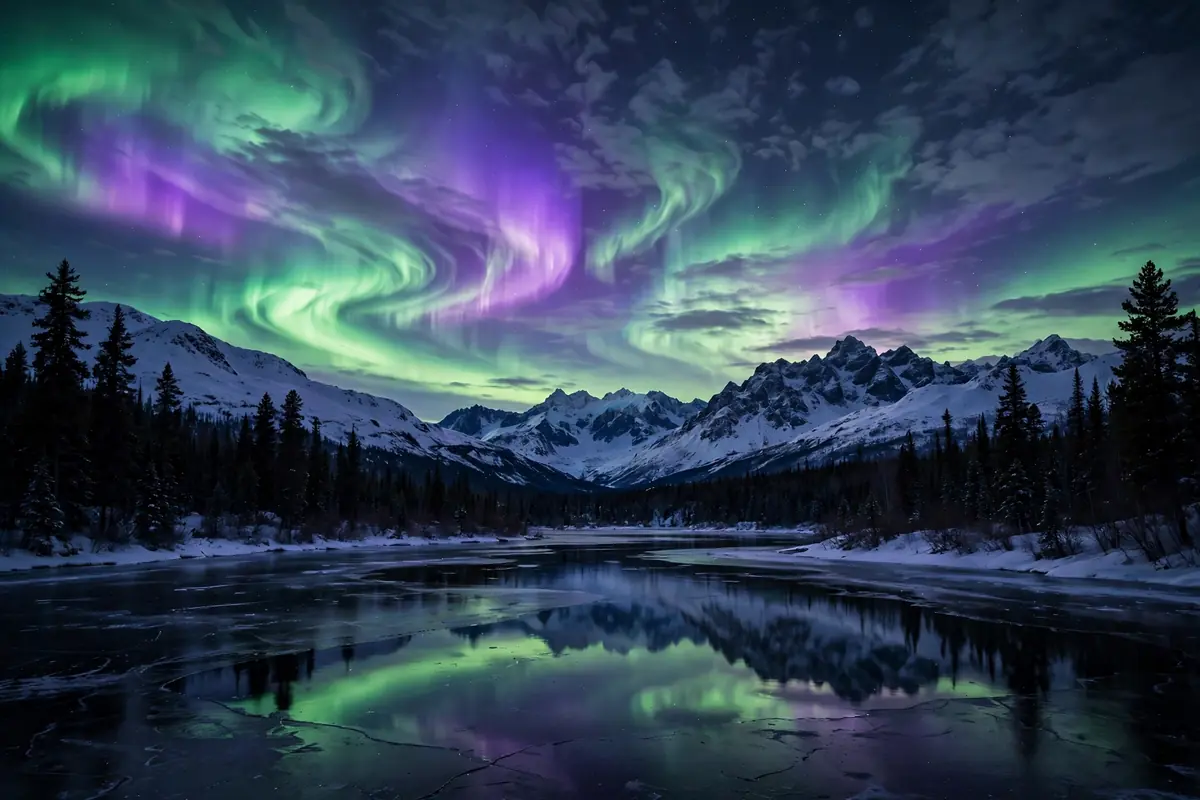
The aurora needs darkness, clear skies, and distance from city light, which makes late August to mid-April your window and rules out the bright summer entirely. Within that window, two sweet spots stand out. September combines dark nights with the mildest temperatures and a real chance of seeing the lights reflected in unfrozen lakes. March offers long, often clear nights, deep snow scenery, and daytime adventures like dog sledding and snowshoeing to fill the hours before the show.
Fairbanks is the classic base, with the viewing areas around Chena Hot Springs and Murphy Dome, while Anchorage and Denali-area lodges work when skies cooperate and you can escape light pollution. Plan at least three nights in aurora country — clouds owe you nothing, and patience is the real ticket. For winter safety basics that apply across Alaska travel, see the cold-weather advice gathered in our travel safety tips.
Best Time for an Alaska Cruise
The cruise season runs from late April to late September, with the heart of it from mid-May to mid-September. June and July deliver the warmest temperatures, the driest weather in the Inside Passage by Alaskan standards, and the best odds for glacier viewing in comfort. May and September sailings cost less and crowd less, with September adding fall color in port towns — balanced against rainier weather and earlier sunsets as the month goes on.
Wildlife timing matters too: whales feed in Southeast Alaska all summer, bears fish the salmon runs most heavily in July and August, and bald eagles gather in extraordinary numbers in Haines in late fall. If a cruise is your main plan, read our full Alaska cruise guide for itinerary and packing detail, then book the month that matches your wildlife wish list. Shoulder-season cruisers should also weigh the flexible-cancellation advice in our travel insurance guide, since late-season weather can shuffle ports.
Best Time for Denali, Hiking and Wildlife on Land
Denali National Park’s season is short: the park road typically opens to tour traffic in late May and closes in mid-September. Early June brings baby animals, wildflowers at lower elevations, and fewer buses; late August and early September deliver crimson tundra, the caribou rut, and the year’s best mix of scenery and solitude. Hikers anywhere in Alaska should favor late June through early September, when trails are snow-free at most elevations — our list of the best hiking trails in the USA shows how Alaska’s routes stack up nationally.
For bears, the famous Brooks Falls viewing in Katmai peaks in July, when sockeye salmon leap the falls, with a second act in September. For moose and caribou, autumn brings animals down to lower elevations and into view along the road system. Every season has a wildlife headline; the only wrong move is expecting them all in one trip.
Where to Base Yourself, Season by Season
Anchorage is the practical year-round hub: the biggest airport, the most hotels, and day trips radiating to glaciers, the Kenai Peninsula, and the Matanuska Valley. In summer, Seward and Homer make better bases for ocean-focused trips, while Talkeetna charms climbers and flightseeing travelers heading for Denali. These gateway communities share the independent spirit of the best small towns in the USA to visit — book their small inns early, because the nicest rooms in a small Alaskan town are gone by spring.
In winter, base in Fairbanks for the aurora and accept the cold as part of the package: heated viewing lodges, hot springs at Chena, and daytime ice museums fill the schedule between dark hours. Getting around matters too — the Alaska Railroad’s winter Aurora Train links Anchorage and Fairbanks on a scenic weekend run through the snowy interior, and the booking basics in our Amtrak train travel guide will feel familiar to rail travelers planning that leg. Drivers should remember that many rental contracts and roads in rural Alaska come with gravel-road restrictions and big distances between fuel stops in every season.
Prices: When Alaska Costs the Most (and Least)
Peak season — late June through August — carries peak prices for cruises, lodges, rental cars, and tours, and the best options book out months ahead. May and September can cut accommodation and cruise costs meaningfully, while winter in Fairbanks is genuinely affordable outside the Iditarod and holiday spikes. Flights follow the same curve, so combine shoulder timing with the tactics in our cheap flights guide for the biggest savings. The budgeting pattern mirrors other US destinations we cover, from the best time to visit Hawaii to the desert logic of the best time to visit New Orleans guides: travel when others don’t, and the same trip costs less.
So When Should You Go? A Quick Decision Guide
- First trip, a bit of everything: late June to mid-July — midnight sun, open everything, peak wildlife.
- Northern lights above all: mid-September or March, based in Fairbanks, three nights minimum.
- Cruising on a budget: May or early September sailings.
- Hiking and Denali: late August to early September for color, space, and still-open roads.
- Winter adventure: March — aurora, dog sleds, ice art, and returning daylight.
- Skiing and snow sports: February and March at Alyeska and beyond, the same deep-winter window highlighted in our best ski resorts in the USA roundup.
Frequently Asked Questions
How cold does it actually get in winter? Fairbanks regularly sees nights well below zero Fahrenheit from December to February, and cold snaps can push far lower. That sounds intimidating, but outfitters rent proper arctic gear, tour vans stay heated, and aurora viewing often happens steps from a warm lodge. March is noticeably milder and is the winter month most first-timers enjoy.
Can you see the northern lights in summer? No — the sky never gets truly dark from about May through early August, which is why aurora trips are a late-August-to-April pursuit. Summer visitors get the midnight sun instead, which is its own once-in-a-lifetime spectacle.
How many days do you need? A week is the comfortable minimum for one region: a cruise week in the Inside Passage, or a land loop of Anchorage, Denali, and Fairbanks. Two weeks lets you combine a cruise with land time, which is how Alaska veterans recommend seeing it. Trying to cover the whole state in one short trip mostly buys you time in transit.
Is Alaska worth it in the rain? Southeast Alaska’s ports are rainforest — rain is the default, and the waterfalls, misty fjords, and lush trails are the reward. Pack real rain gear rather than a poncho, plan boat tours for the driest forecast window you can find, and you will discover that many travelers quietly prefer moody Alaska to the postcard version.
Whichever month you choose, build your Alaska plan around that season’s headline act
instead of trying to see everything at once — this state rewards focus like nowhere else. Book summer logistics early, give the aurora several nights to perform, and respect the weather as part of the adventure. Choose your season well, and the best time to visit Alaska becomes simply the time you went.