Adventure is calling, but smart travelers know that safety comes first. From pickpockets in crowded plazas to sketchy late-night streets, every destination has risks, and a little preparation goes a long way. These practical travel safety tips will help you protect yourself, your belongings, and your peace of mind, so you can focus on the experiences that make travel worthwhile.
BEFORE YOU GO: SAFETY PREPARATION
1. Research Your Destination Thoroughly
Read recent traveler reviews and government travel advisories for your destination. Learn which neighborhoods to avoid, common local scams, and the location of your country’s nearest embassy or consulate. If you’re heading south, start with our guide to the safest places to visit in Latin America.
2. Share Your Itinerary
Leave a copy of your flights, hotel bookings, and daily plans with a trusted friend or family member. Check in regularly, especially when traveling solo.
3. Get Travel Insurance
Comprehensive travel insurance covering medical emergencies, trip cancellation, and theft is non-negotiable. A single hospital visit abroad can cost tens of thousands of dollars without it.
4. Make Copies of Important Documents
Photograph your passport, visas, insurance policy, and credit cards, and store the copies in secure cloud storage. Keep a paper copy separate from the originals.
PROTECTING YOUR VALUABLES
5. Use a Money Belt or Hidden Pouch
Keep your passport, backup cards, and most of your cash in a money belt worn under your clothing. Carry only what you need for the day in your wallet.
6. Don’t Flash Expensive Gear
Expensive cameras, jewelry, and designer bags make you a target. Use discreet bags, keep electronics out of sight when not in use, and leave irreplaceable valuables at home.
7. Lock Up in Your Accommodation
Use the hotel safe or a portable travel lock for laptops and documents. In hostels, always use the lockers provided and bring your own padlock.
8. Be Smart With ATMs
Use ATMs inside banks rather than on the street, shield your PIN, and withdraw larger amounts less frequently to minimize exposure. This matters everywhere from Miami to Bangkok. Notify your bank of your travel dates to avoid frozen cards.
STAYING SAFE ON THE STREETS
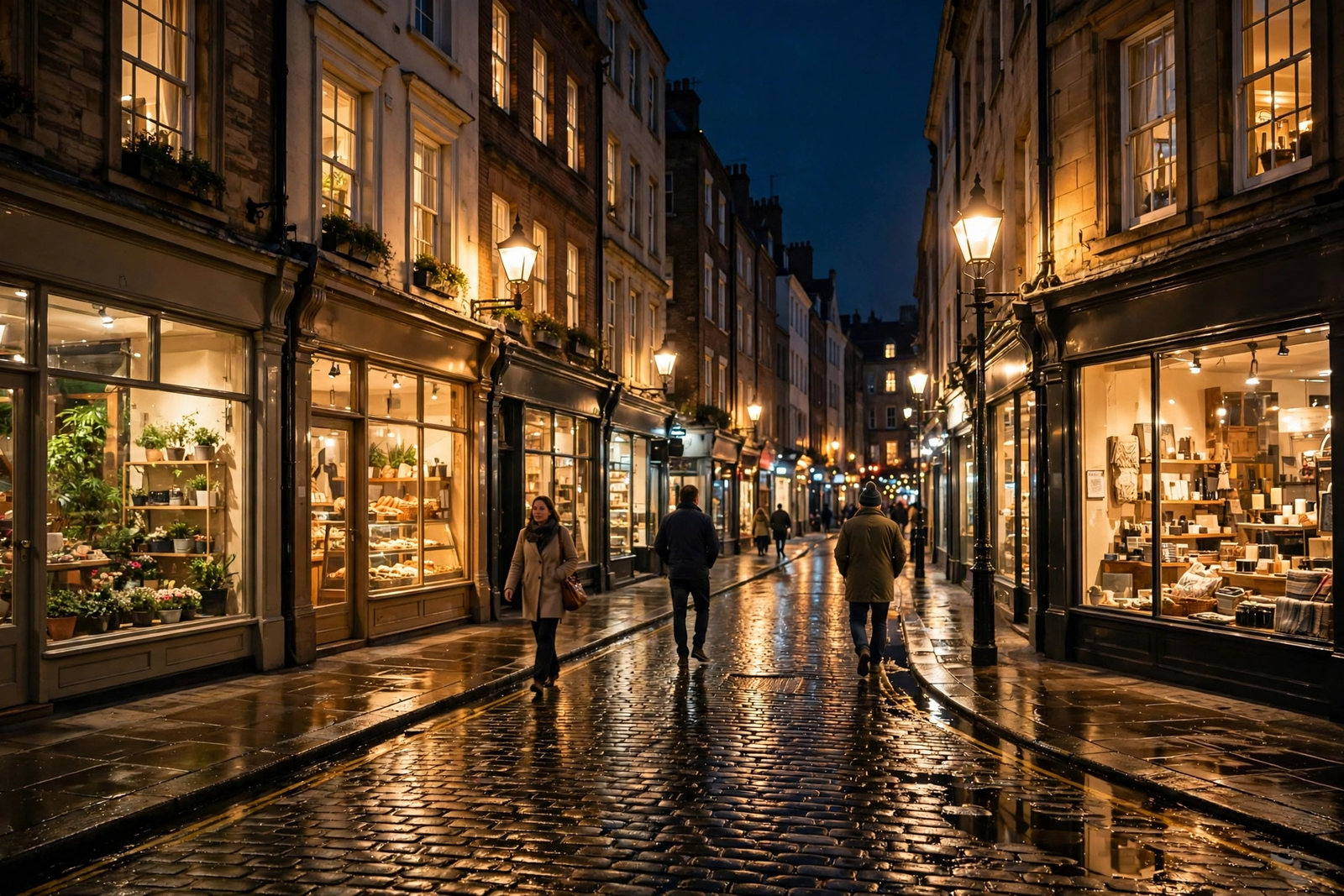
9. Stay in Well-Lit, Populated Areas at Night
After dark, stick to busy, well-lit streets and avoid shortcuts through empty areas. If a street feels wrong, trust your instincts and turn back. This applies in every major city, including New York.
10. Blend In With Local Dress
Tourists who dress loudly stand out to scammers and thieves. Observe how locals dress and aim to match the general style and modesty norms.
11. Beware of Common Tourist Scams
From “free” bracelets to rigged taxi meters, scams follow predictable patterns. Learn the common tricks before visiting places like Tokyo or Bali. Be wary of overly friendly strangers, unsolicited help, and deals that seem too good to be true.
12. Keep Your Phone Charged and Connected
A charged phone with a local SIM or eSIM is your lifeline for maps, translation, and emergency calls. Carry a portable power bank every day.
TRANSPORTATION SAFETY
13. Use Licensed Taxis and Rideshares
Book rides through official apps, verify the license plate and driver name before getting in, and share your trip status with a friend.
14. Stay Alert on Public Transport
Keep bags on your lap or between your feet on buses and trains. Pickpockets love crowded rush-hour carriages, so stay extra vigilant.
15. Buckle Up and Know Local Road Rules
Road accidents are a leading cause of traveler injuries. Always wear a seatbelt, avoid night driving in unfamiliar rural areas, and never ride a motorbike without a proper helmet.
HEALTH AND EMERGENCY SAFETY
16. Know Local Emergency Numbers
911 doesn’t work everywhere. Save the local police, ambulance, and embassy numbers in your phone before you arrive.
17. Drink and Eat Cautiously
In regions with questionable water quality, stick to sealed bottled water and avoid ice. Eat where locals eat, and choose freshly cooked, steaming-hot food.
18. Protect Against the Sun and Insects
Pack high-SPF sunscreen, insect repellent with DEET, and any prescription medications in original packaging with a doctor’s note.
19. Have an Emergency Cash Stash
Hide $50 to $100 in a separate spot from your wallet, such as sewn into a bag lining. This backup can save you if your wallet is stolen.
20. Trust Your Gut
The most important travel safety tip of all: if something feels off, leave. Your instincts are your best early-warning system. No photo, bargain, or shortcut is worth your safety.
SOLO TRAVELER SAFETY EXTRAS
Solo travelers should be extra cautious: avoid telling strangers you’re alone, choose accommodations with 24-hour reception and good reviews from other solo travelers, and consider joining group tours for remote excursions. Share your live location with someone you trust via your phone.
FREQUENTLY ASKED QUESTIONS
What is the most important travel safety tip?
Situational awareness tops the list. Staying alert to your surroundings, trusting your instincts, and avoiding risky situations prevents the vast majority of travel problems.
Is it safe to travel alone as a woman?
Millions of women travel solo safely every year. Research women-specific safety advice for your destination, choose well-reviewed accommodations, dress to blend in, and trust your instincts.
Should I buy travel insurance?
Yes, absolutely. Medical emergencies, trip cancellations, and theft can cost far more than the policy. Make sure your plan covers your activities, including adventure sports if applicable.
How do I avoid pickpockets while traveling?
Use a crossbody bag with zippers worn in front, keep valuables in inner pockets or a money belt, stay alert in crowds, and never hang bags on chair backs at cafes.
FINAL THOUGHTS
Travel safety isn’t about fear; it’s about freedom. When you’ve done your homework, secured your valuables, and learned to read a new environment, you can relax into the adventure with confidence. Pack these travel safety tips alongside your passport, and go see the world wisely.