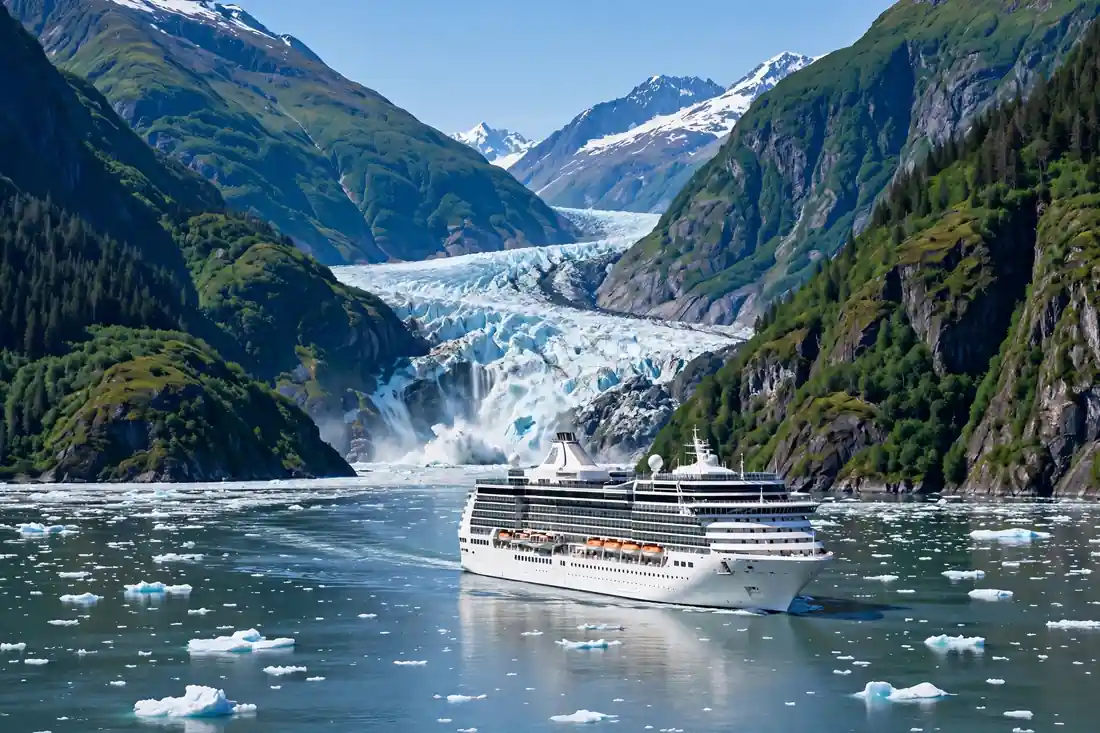
An Alaska cruise is part sightseeing trip, part moving hotel, and part front-row seat to glaciers, whales, and mountains you simply cannot reach by road. This alaska cruise guide explains the two main itineraries, what each month of the season really feels like, and how to choose a ship, a cabin, and a suitcase that works in four kinds of weather on the same day.
The season is short, roughly May through September, and no two months deliver the same Alaska. Getting the itinerary and timing right matters more here than on almost any other cruise, so start with those two decisions and let everything else fall into place.
The Two Main Itineraries, Explained Simply
Almost every Alaska sailing follows one of two patterns. Understanding them takes two minutes and shapes your whole trip.
Inside Passage Round-Trip Cruises
These cruises sail round-trip from Seattle or Vancouver, British Columbia, spending about a week threading the sheltered channels of British Columbia and Southeast Alaska. Typical ports include Juneau, Skagway, and Ketchikan, plus a day of glacier viewing. Round-trip sailings are the easiest option for most people: cheaper flights, no one-way logistics, and a relaxed schedule. The trade-off is less time in Alaska’s interior and, on some Seattle sailings, a required stop in Canada.
Gulf of Alaska One-Way Cruises
One-way cruises travel between Vancouver and the Anchorage-area ports of Whittier or Seward, again over about a week. Because they sail further north, they usually add glacier stops such as Hubbard Glacier or College Fjord, and they connect naturally with land tours into the interior. The pay-off is a deeper Alaska trip; the cost is more complex flights and transfers. Many travelers pair these sailings with rail and coach tours into Denali, which our denali national park guide covers in detail.
When to Go: The Season Month by Month
May is the driest and quietest month in many ports, with lower prices and snow still on the peaks, though some excursions and trails are still waking up. June brings the famous midnight sun, long evenings, and strong wildlife viewing, along with rising prices. July and August are the warmest months, with the best chance of seeing bears fishing for salmon, but also the biggest crowds and highest fares.
September is the shoulder-season sweet spot for many people: discounts return, fall colors appear, and the northern lights become possible on clear, dark nights, though some excursions wind down late in the month. For a fuller weather and wildlife breakdown, read our best time to visit alaska guide before you choose dates.
Ports You Will Probably Visit
Juneau, the state capital, is only reachable by boat or plane. From the dock you can ride the tram up Mount Roberts, take a bus or helicopter tour to Mendenhall Glacier, or join a whale-watching cruise in the channels nearby. Skagway keeps its gold-rush streets almost unchanged, and the White Pass and Yukon Route railroad climbs from the pier into mountain scenery.
Ketchikan calls itself the salmon capital of the world, and its Creek Street boardwalk and totem poles make an easy, walkable port day. Many itineraries add Sitka, Icy Strait Point, or a stop in Victoria, British Columbia, on the final evening. Glacier viewing days are not port stops at all; the ship slows and turns so everyone gets a view, and rangers sometimes come aboard to explain what you are seeing.
Choosing a Cabin Without Overpaying
Interior cabins are the budget heroes of Alaska cruising. You lose the window, but you gain the same food, entertainment, and ports as everyone else, and you will spend most daylight hours on deck or ashore anyway. Ocean-view cabins add a window or porthole for a modest step up.
Balcony cabins are where Alaska opinions get strong. Watching glaciers and searching for whales from your own balcony, coffee in hand, is a genuine highlight, and many repeat Alaska cruisers refuse to sail without one. If the budget forces a choice, many experienced cruisers would rather sail a week later in a balcony than a peak week in an interior on an itinerary they care about. Suites add space and perks, but for most first-timers the money works harder spent on excursions.
Choosing Your Ship: Big, Small, or Expedition Style
The mainstream choice is a large ship from one of the major cruise lines. These carry thousands of passengers and deliver the widest range of dining, entertainment, and cabin prices, plus the smoothest ride in open water. They follow the standard port circuit, so they are the easiest way to see Juneau, Skagway, and Ketchikan in one week on a predictable budget.
Smaller ships trade the water parks and Broadway-style shows for something many Alaska travelers value more: access. A ship carrying a few hundred guests can linger longer near glaciers, anchor in quieter coves, and put you in a kayak or skiff with a naturalist instead of a theater seat. Expedition-style sailings go further still, building days around hiking, wildlife tracking, and photography, usually at a much higher price per day. Neither style is better in the abstract. Match the ship to whether your dream Alaska is a glacier seen from a hot tub or a bear seen from a muddy trail, and the rest of the booking decisions get much easier.
Getting to the Ship: Flights, Transfers, and the Night Before
Always plan to arrive in your departure city the day before sailing. A delayed flight is an annoyance on a normal trip; on cruise day it can mean watching your ship leave without you. Most Alaska passengers fly into Seattle or Vancouver, and our seattle travel guide helps you turn that buffer day into a bonus city day. When you book flights, these tips to find cheap flights and save on airfare help offset Alaska’s higher summer fares.
For your pre-cruise night, weigh the simplicity of an airport or downtown hotel against a vacation rental using our hotel vs airbnb comparison, especially if you are traveling as a group. Keep passports, medications, chargers, and a change of clothes in your carry-on on embarkation day, because checked luggage can take hours to reach your cabin.
What to Pack for Alaska
Alaska weather ignores the calendar. A single port day can run from cold rain to warm sun, so layers beat one heavy coat. Pack a waterproof outer layer, a warm mid-layer, moisture-wicking base layers, waterproof or sturdy walking shoes, gloves, and a warm hat for glacier viewing on deck.
Our carry-on packing list shows how to fit the layering system into one bag, and the same capsule approach in this guide to backpacking on a budget keeps your luggage light if you are adding independent travel days. Add binoculars if you own them; you will use them every single day. Most ships are casual, with at most one or two dressier evenings, so leave the formal wear at home unless you enjoy it.
Budgeting, Excursions, and Protecting the Trip
The fare is only the starting point. Add gratuities, drinks, specialty dining, Wi-Fi, and shore excursions to get your real budget. Excursions range from self-guided walks and local shuttle buses to splurges like helicopter glacier landings and salmon fishing charters. Book the one or two experiences you care about most, and let the rest of the ports be simple and cheap.
Alaska trips are expensive, far from home, and built around a ship that will not wait, so read our travel insurance guide before you finalize. Coverage for missed connections, medical care, and evacuation matters more in remote Alaska than on a city break. Couples will also find Alaska sailings prominent in roundups of usa honeymoon destinations, and the big-ship social scene plus easy logistics make it a comfortable pick highlighted in our solo travel usa guide as well.
Quick Answers
How many days do I need? Most sailings run about seven nights. Add at least two or three land days if you are taking a one-way cruise and want to see the interior.
Will I get seasick? Inside Passage waters are mostly sheltered and calm. The open-ocean stretches on Gulf of Alaska sailings can be rougher, so choose a midship cabin on a lower deck if you are sensitive.
What month is best overall? June and early July offer the longest daylight and reliable excursion schedules, while May and September trade a little warmth for lower prices and thinner crowds. There is no wrong month in the season, only the month that matches your priorities.
How much extra should I budget beyond the fare? A realistic planning habit is to set aside a meaningful share of the fare again for gratuities, excursions, drinks, and port spending, then let any unspent portion roll into the land portion of the trip. The one or two signature excursions, such as a glacier helicopter landing or a fishing charter, usually cost more than all your casual port spending combined, so choose those first and let the rest of the budget fall around them.
Do I need a passport? Many Alaska cruises stop in Canada, and rules vary by itinerary and citizenship. US citizens on closed-loop cruises from a US port have traditionally had more flexible document options, but a valid passport book is the safest choice and is strongly recommended. Check current requirements well before sailing.
The Bottom Line
Pick the itinerary that matches your ambition, choose the month that matches your budget and wildlife hopes, and book the balcony if glaciers from your own doorway sounds like your kind of morning. Do those three things, and this alaska cruise guide has done its job: the rest is standing on deck, watching the coastline of the Last Frontier slide by.