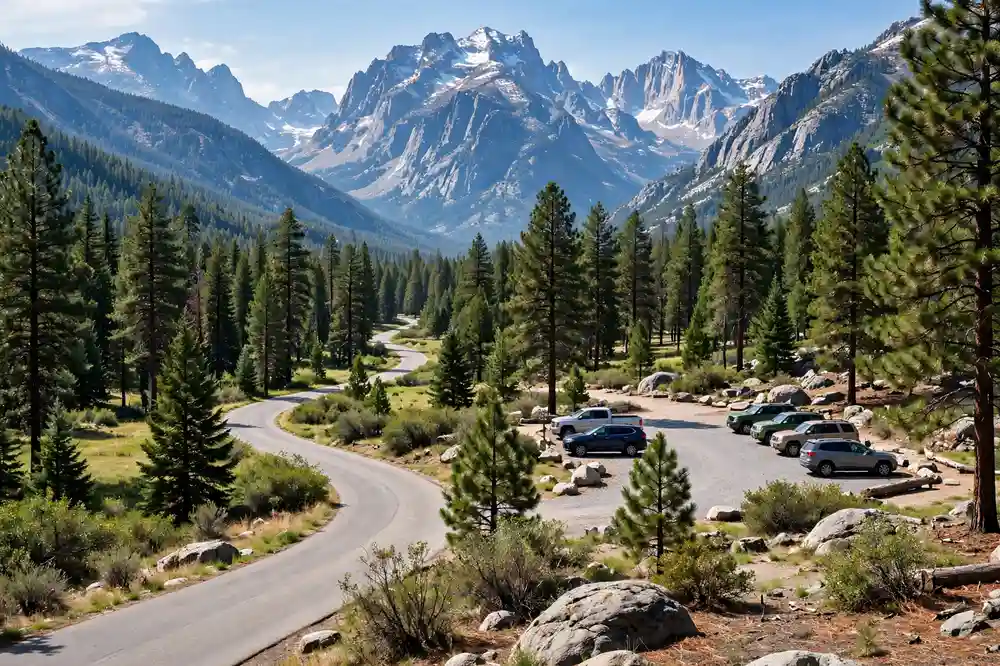
Learning how to plan a national park trip well is the difference between a vacation of glowing memories and a week of full parking lots, missed reservations, and closed gates. The parks themselves reward preparation more than almost any other trip type in America — the best campsites, lodges, and permits vanish months ahead. This step-by-step guide walks through the whole process in the right order: choosing parks and timing, booking the pieces that sell out, building a realistic budget, and planning days that leave room for wonder.
Follow the sequence below and you will arrive at the gate with everything handled — and your days free for the trails.
Step 1: Pick Your Parks and Your Season
Start with the experience, not the map. Want alpine lakes? The Cascades, Tetons, and Rockies deliver in high summer. Desert color and mild hiking? Aim for spring, fall, or the winter season covered in our guide to the best national parks in winter. Then be honest about distance: parks that look close on a map of the West are often four to six hours apart, and a trip that tries to see everything sees most of it through a windshield.
Season matters more than scenery in many parks. Snow closes high roads well into June in the northern Rockies and Cascades; desert parks are dangerous in midsummer heat; hurricane season touches Gulf and Atlantic parks. Check each park’s “best time to visit” pattern before fixing dates, the way our Yosemite hikes guide ties specific trails to the months when waterfalls peak and passes clear.
Step 2: Lock Down Reservations Early
This is the step casual planners miss, and it is unforgiving. Three categories sell out:
- Lodging and campgrounds. Iconic in-park lodges and popular campgrounds open bookings many months ahead — a year out for some lodges — and prime dates can go within hours. If you miss out, set alerts and keep checking for cancellations.
- Timed-entry and vehicle reservations. Several of the busiest parks now require reserving an entry window in advance during peak season, typically released in batches on Recreation.gov. The systems change year to year, so verify your exact parks early.
- Permits and lotteries. Wilderness camping permits, popular trail lotteries (for famous routes like Angels Landing or The Wave), and river permits are drawn months ahead. Mark the application windows in your calendar the day you choose your parks.
Our camping guide for beginners explains how campground booking windows work in practice, and the apps in our best travel apps guide help you track release dates and alerts so nothing slips.
Step 3: Do the Entrance-Fee Math
Most marquee parks charge roughly $20–$35 per vehicle for a multi-day entrance pass. String three or more parks into one year and the annual interagency pass usually wins — our national park pass guide breaks down the exact break-even math, the free pass categories (seniors, military, 4th graders, visitors with disabilities), and what the pass does not cover, like camping and tours.
Remember the free parks too. A few famous parks charge no entrance fee at all — our North Cascades national park guide covers one of the great free ones — though nearby forest trailheads and parking programs can still involve fees the annual pass may cover.
Step 4: Build a Realistic Budget
A national park trip is cheaper than a resort vacation, but it is not free. Build your budget around these lines:
- Getting there: flights plus a rental car (or fuel and miles on your own vehicle), priced for gateway-town pickup.
- Sleeping: campgrounds are the bargain; in-park lodges are the splurge; gateway motels sit in between.
- Food: park restaurants are limited and pricey — many travelers self-cater breakfasts and trail lunches from a gateway-town grocery run.
- Fees and fun: entrance, reservations, a guided tour or rental gear, plus a cushion for the unexpected.
The money-saving habits in our backpacking on a budget guide — travel midweek, cook simple meals, borrow gear before buying — stretch a park budget further than any single discount.
Step 5: Design Days That Breathe
The classic planning error is a schedule packed like a theme park’s. Trails take longer than the sign says, viewpoints deserve unhurried minutes, and wildlife does not perform on cue. A good rule: plan one major hike or activity per day, one secondary stop, and leave the rest open. Alternate heavy hiking days with scenic-drive days, especially at altitude.
Structure each day around light. Sunrise and the last two hours before sunset are when parks look their best and crowds are thinnest; midday is for visitor centers, museums, and naps. When you stitch parks together on a road trip, the pacing lessons in our USA road trip planner keep driving days honest.
Step 6: Pack for the Place, Not the Postcard
Weather in the mountains and desert can swing 30 degrees in a day. Pack layers, rain protection, sun gear, and more water capacity than you think you need. Our carry-on packing list shows how to fit a hiking-ready kit into airline limits. If you are renting your way around the parks instead, our RV rental guide covers the very different packing and booking logic of taking your lodging with you.
Add trip protection to the checklist too: cancellation windows on lodges are strict, wildfire smoke and storms rewrite plans, and our travel insurance guide explains when coverage is genuinely worth it for a park trip.
Finally, respect the safety fundamentals in our travel safety guide: tell someone your trail plans, download offline maps (park cell service is famously patchy), and treat wildlife distances as rules, not suggestions.
Step 7: Learn the Rules Before You Arrive
Good planning includes knowing how to behave once you are there, because park rules differ from ordinary hiking in ways that surprise first-timers. Drones are banned in all national parks. Pets are restricted to developed areas and a few specific trails in most parks — check before bringing a dog, and never leave one in a hot car. Wildlife distances are enforced: stay at least 25 yards from most animals and 100 yards from bears and wolves, using binoculars or a zoom lens instead of your feet.
Leave No Trace principles apply everywhere: pack out all trash (including food scraps and tissues), stay on durable surfaces in fragile desert and alpine zones, and leave rocks, plants, antlers, and artifacts exactly where you found them — removing them is both unethical and illegal. Campfires are allowed only in designated grates and are frequently banned during dry spells. None of this limits the fun; it is simply the price of keeping these places wild enough for the next visitor, and knowing it in advance means no awkward lessons from a ranger on day one.
One more rule with real planning consequences: cell coverage cannot be trusted anywhere in the system. Download the park’s maps, your reservation confirmations, and this plan’s key details to your phone before you leave the gateway town, and carry a paper map in the car. Trips run smoother when a dead zone is an inconvenience instead of a crisis.
A Simple Planning Timeline
- 6–12 months out: choose parks and dates; book in-park lodging and campgrounds the day windows open; note permit lotteries.
- 3–6 months out: book flights and rental car; buy or plan the entrance pass; apply for permits.
- 1–3 months out: reserve timed entries, tours, and any rental gear; sketch daily plans.
- Final weeks: check road, fire, and weather alerts; download offline maps; confirm every reservation in writing.
- On the trip: start early, stay flexible, and let one unplanned overlook become the story you tell for years.
Frequently Asked Questions
How far ahead should I plan a national park trip?
For summer trips to famous parks, start six months ahead at minimum — twelve for iconic lodges. Off-season and less-visited parks can come together in a few weeks.
How many parks can I see in one week?
Two comfortably, three if they are neighbors (like Utah’s cluster). More than that turns the trip into driving with occasional stops.
What is the single most common planning mistake?
Underestimating how early things book — and underestimating distances. Both are fixed by the timeline above and a honest look at drive times.
Should I visit on a fee-free day to save money?
Only if crowds do not bother you. Fee-free days waive entrance across the system but draw some of the year’s biggest crowds, and lodging still books out early. If your dates are flexible, the quieter week after a fee-free weekend usually offers a better trip for the same money.
The Bottom Line
Now you know how to plan a national park trip the way rangers wish everyone would: choose the right season, reserve the scarce pieces first, do the pass math, budget honestly, and build days with room to breathe. Do that work at the kitchen table, and the parks will do the rest — one sunrise, one trail, and one quiet overlook at a time.