Planning a trip across both countries can feel overwhelming because there are so many destinations worth considering. The best approach is to combine major cities with scenic regions and smaller destinations that match your interests, available time, and preferred pace. This guide explores some of the must visit places in Spain and Portugal and explains what makes each destination worth adding to an itinerary.
Why Visit Spain and Portugal Together?
Spain and Portugal are geographically close, making them a natural combination for an Iberian Peninsula itinerary. Travelers can experience historic architecture, Mediterranean and Atlantic landscapes, lively city centers, traditional neighborhoods, and distinctive regional cultures within a single trip.
Spain is particularly known for its major cultural cities, diverse regional identities, beaches, art, and architectural landmarks. Portugal offers historic neighborhoods, Atlantic coastlines, colorful cities, wine regions, and relaxed countryside escapes. Combining the two allows travelers to experience considerably different environments without covering an enormous geographic area.
Must Visit Places in Spain
1. Barcelona
Barcelona is one of Spain’s most recognizable destinations and an excellent starting point for travelers interested in architecture, culture, food, and coastal scenery. The city combines historic neighborhoods with imaginative architecture, lively public spaces, museums, restaurants, and Mediterranean beaches.
Visitors can explore the Gothic Quarter, walk along La Rambla, discover Gaudí’s architectural legacy, and spend time around the waterfront. Barcelona also works well as part of a broader Spanish itinerary because its attractions appeal to both first-time visitors and returning travelers.
2. Madrid
Spain’s capital offers a different experience from Barcelona. Madrid is a major cultural and historical center with grand boulevards, museums, public squares, traditional neighborhoods, and a vibrant dining scene.
The city is especially appealing to travelers who enjoy museums, art, architecture, shopping, and urban experiences. Madrid can also serve as a convenient base for exploring destinations elsewhere in central Spain.
3. Seville
Seville captures many of the traditions and visual characteristics travelers associate with southern Spain. Its historic streets, courtyards, plazas, gardens, and architectural landmarks create an atmosphere that rewards slow exploration.
The city is particularly enjoyable for travelers interested in Andalusian culture, traditional food, historic architecture, and evening walks. Seville can also be combined with other Andalusian destinations for a more complete southern Spain experience.
4. Granada
Granada is another important destination in Andalusia, particularly for travelers interested in history and architecture. The city sits near the Sierra Nevada and offers a combination of historic neighborhoods, mountain scenery, viewpoints, and cultural attractions.
Its historic character makes Granada an excellent complement to larger Spanish cities. Travelers can spend time exploring the old quarters before enjoying views across the surrounding landscape.
5. Valencia
Valencia offers a combination of historic architecture, Mediterranean beaches, modern attractions, parks, and a strong culinary identity. It can be a useful choice for travelers who want a destination that balances city sightseeing with time near the coast.
The city is also a good alternative for travelers who want to experience another side of Spain beyond the most frequently visited destinations.
6. Mallorca
Mallorca is a strong option for travelers looking for island scenery, beaches, mountain landscapes, and charming towns. The island offers opportunities for relaxing coastal holidays as well as outdoor activities and scenic road trips.
Its variety makes Mallorca suitable for couples, families, photographers, and travelers who want to combine relaxation with exploration.
7. Northern Spain
Northern Spain provides a noticeably different landscape from the Mediterranean south. Travelers can find green countryside, rugged coastlines, mountain scenery, historic towns, and distinctive regional cuisine.
This part of Spain is worth considering for visitors who prefer scenic drives, hiking, coastal landscapes, and less urban-focused travel.
Must Visit Places in Portugal
8. Lisbon
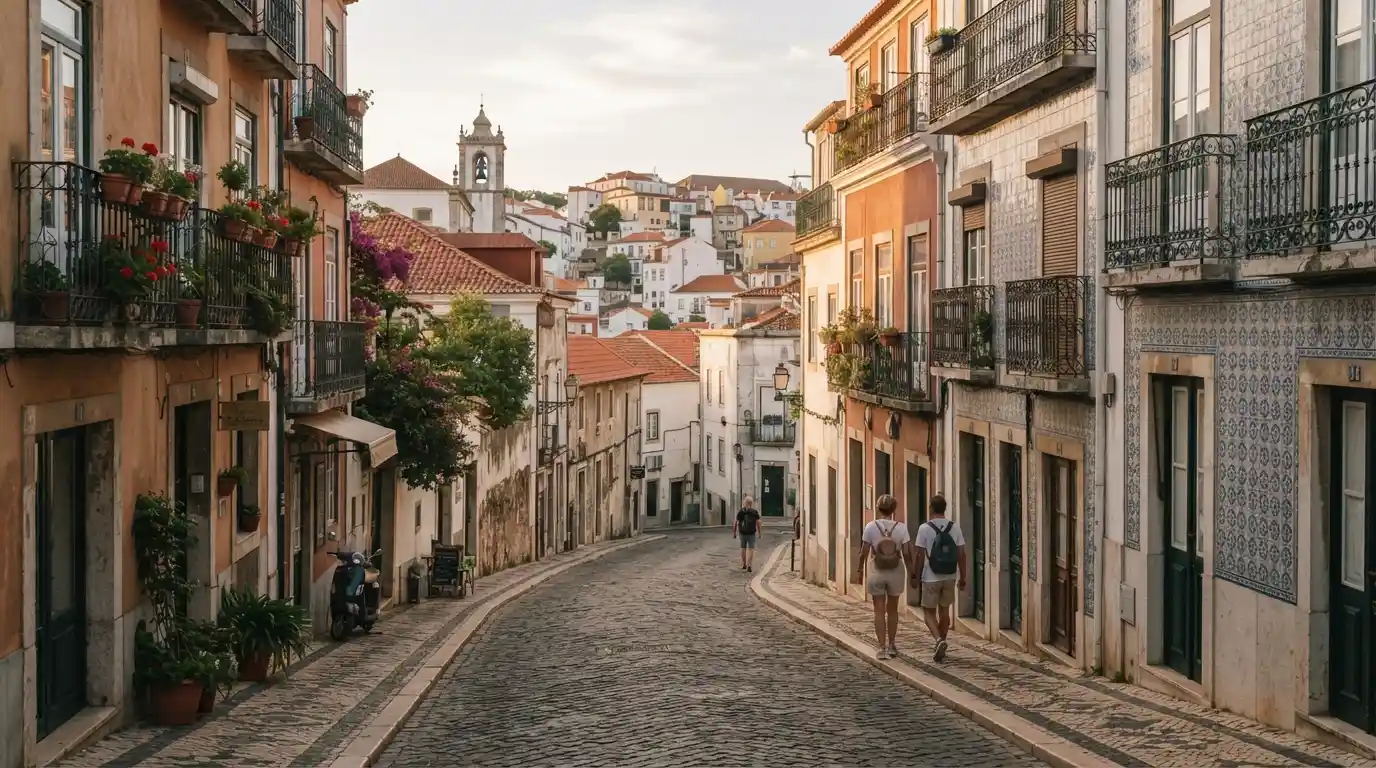
Lisbon is one of Portugal’s essential destinations and a natural starting point for exploring the country. Its historic neighborhoods, viewpoints, tiled buildings, trams, waterfront areas, and food culture make it highly appealing for first-time visitors.
Travelers can spend several days exploring different districts while also using Lisbon as a base for nearby destinations. Its combination of history, architecture, culture, and scenic viewpoints makes it one of the highlights of an Iberian Peninsula trip.
9. Porto
Porto offers a distinctive northern Portuguese experience centered around the Douro River, historic architecture, traditional neighborhoods, and the region’s famous wine culture.
The city is especially enjoyable for travelers who appreciate atmospheric streets, riverfront views, historic buildings, and food experiences. Porto also provides access to the wider Douro Valley.
10. Sintra
Sintra is one of Portugal’s most atmospheric destinations. Located close to Lisbon, it is known for lush landscapes, historic estates, palaces, gardens, and scenic viewpoints.
Its proximity to Lisbon makes it particularly useful for travelers with limited time. A day trip can introduce visitors to a dramatically different environment without requiring a major change in accommodation.
11. Algarve
The Algarve is a popular choice for travelers seeking dramatic coastal scenery and beach destinations. The region features cliffs, sandy beaches, small coastal towns, and viewpoints overlooking the Atlantic.
Visitors can choose between relaxed beach holidays and more active itineraries involving coastal walks, boat trips, photography, and exploration of smaller towns.
12. Madeira
Madeira provides a very different experience from mainland Portugal. The island is known for mountainous scenery, lush vegetation, dramatic viewpoints, walking routes, and coastal landscapes.
It is particularly attractive to travelers who enjoy nature, hiking, photography, and outdoor exploration. Madeira can be added to a longer Portugal itinerary or treated as a dedicated island getaway.
13. Coimbra
Coimbra offers a quieter cultural experience and is well known for its historic character and academic heritage. The city is a useful stop between Portugal’s larger northern and southern destinations.
Travelers looking for historic streets, traditional architecture, and a slower pace can include Coimbra as part of a road trip through central Portugal.
Spain and Portugal Destinations for Different Travel Styles
For History and Architecture
Travelers focused on history and architecture can build an itinerary around destinations such as Madrid, Barcelona, Seville, Granada, Lisbon, Sintra, Porto, and Coimbra. These locations provide different examples of Iberian architectural traditions and historic urban environments.
For Beaches and Coastal Scenery
Beach-focused travelers can consider Mallorca and Spain’s Mediterranean coast alongside Portugal’s Algarve region. These destinations offer different coastal landscapes, from island beaches to dramatic Atlantic cliffs.
For travelers interested in additional seasonal destinations, existing guides such as best places to visit in Mauritius for a honeymoon and places to visit in Costa Rica with kids can provide inspiration for comparing different international vacation styles.
For Nature and Scenic Experiences
Nature lovers should look beyond the major capitals. Madeira, northern Spain, Mallorca, the Algarve, and destinations surrounding major Spanish cities can provide opportunities to experience mountains, coastlines, forests, and countryside.
Travelers who enjoy nature-focused itineraries may also be interested in nature places to visit in Karnataka, places to visit in the tropical rainforest, and cold places to visit around the world.
How to Plan a Spain and Portugal Trip
The ideal itinerary depends on how much time you have. A short trip should focus on a few major destinations rather than attempting to cover the entire Iberian Peninsula.
For a longer trip, travelers can combine major cities with regional destinations. For example, a route could include Madrid, Seville, Granada, Lisbon, Sintra, and Porto. Travelers with additional time could then add Barcelona, Valencia, the Algarve, Mallorca, or Madeira.
Seasonality should also influence the itinerary. Summer can be attractive for coastal travel but may bring higher visitor numbers and warmer temperatures in many inland cities. Spring and autumn can provide comfortable conditions for city sightseeing and regional exploration.
Getting Around Spain and Portugal
Both countries have extensive transportation networks connecting major destinations. Trains can be particularly useful between major cities, while rental cars provide greater flexibility for smaller towns, coastal areas, and countryside destinations.
Travelers should consider the geography of their route before booking transportation. A well-planned itinerary can reduce unnecessary backtracking and leave more time for exploring each destination.
For travelers who enjoy road trips, destinations such as the Ring Road in Iceland offer another example of how transportation can become part of the travel experience.
How Many Days Do You Need?
A week can provide a useful introduction to Spain and Portugal, but travelers should keep the itinerary focused. Around 10 to 14 days allows more flexibility and makes it easier to combine major cities with regional destinations.
Two weeks can support a balanced itinerary with several major stops, while three weeks or more allows travelers to explore at a slower pace and include destinations such as Mallorca, Madeira, or the Algarve.
Tips for Choosing Your Destinations
- Choose destinations based on your interests rather than trying to see everything.
- Allow enough time in major cities to explore beyond the most famous attractions.
- Combine urban destinations with coastal or nature-focused locations.
- Consider seasonal weather when planning outdoor activities.
- Group geographically close destinations together to reduce travel time.
- Leave some flexibility for spontaneous discoveries.
If you are comparing the Iberian Peninsula with other European itineraries, you may also want to explore the cheapest places to visit in Europe, the best places to visit in Europe with kids, and places to visit in Belgium.
Final Thoughts
Spain and Portugal provide an impressive range of travel experiences within one relatively compact region. Spain offers major cultural cities, historic destinations, Mediterranean landscapes, and diverse regional experiences, while Portugal combines historic cities, Atlantic coastlines, island scenery, and charming smaller destinations.
The most successful itinerary is not necessarily the one with the greatest number of stops. Instead, choose destinations that match your interests and give yourself enough time to experience them properly. Whether you prioritize architecture, beaches, food, history, nature, or scenic road trips, Spain and Portugal offer plenty of opportunities to create a memorable Iberian adventure.
Explore More Travel Destinations
For additional trip-planning inspiration, explore places to visit in Germany, places to visit in Greece for nightlife, places to visit in Ireland in autumn, places to visit in Dublin, places to visit in Salento, Italy, the best places to visit in Madrid, and more Spain and Portugal travel ideas.