Belgium may be one of Europe’s smaller countries, but it offers an impressive variety of places to explore. Medieval city centers, romantic canals, grand squares, historic castles, art museums, coastal towns, and scenic countryside make it easy to build a memorable trip around different interests.
Beyond the major cities, Belgium also has charming destinations such as Dinant, Leuven, Mechelen, Namur, and the Ardennes. Whether you are planning a weekend city break or a longer European itinerary, these destinations give you plenty of ways to experience Belgium.
1. Brussels
Brussels is the natural starting point for many Belgium trips. As the country’s capital, it combines historic architecture, museums, elegant public squares, cultural attractions, and a lively food scene.
The Grand Place is one of the city’s essential sights. Its ornate historic buildings create an impressive setting for exploring the old center on foot. Nearby streets lead to chocolate shops, cafés, restaurants, galleries, and other landmarks.
Travelers interested in architecture can also explore Brussels’ Art Nouveau heritage, while museums provide opportunities to discover Belgian art, history, design, and culture. The Atomium adds a completely different architectural experience outside the historic center.
Brussels is also a useful base for exploring other Belgian destinations. Travelers who enjoy building multi-city European itineraries can compare it with other places to visit in Germany and nearby European destinations.
2. Bruges
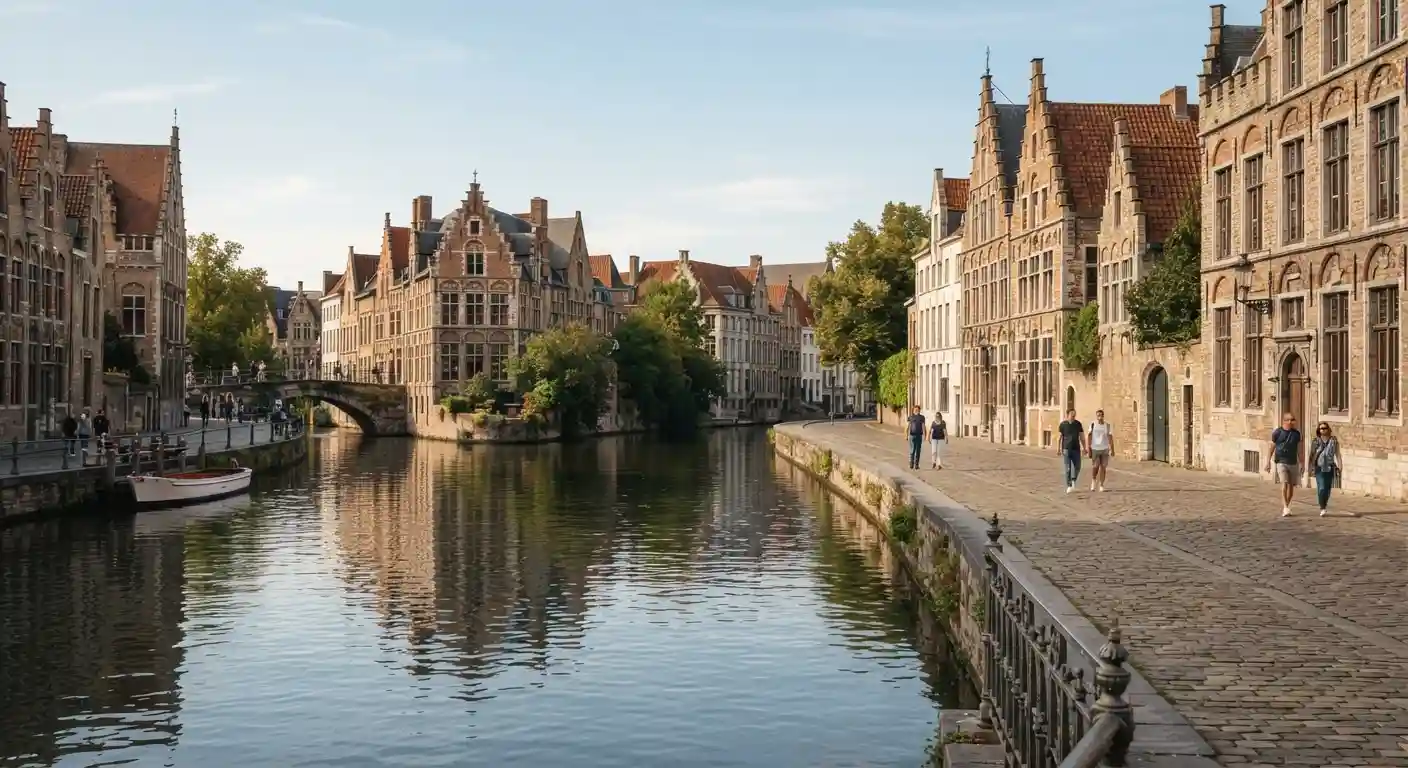
Bruges is one of the most recognizable destinations in Belgium. Its medieval streets, canals, historic buildings, and atmospheric squares make it especially appealing to travelers looking for a romantic European city.
The historic center is best explored slowly. Walk through the Markt and Burg squares, follow the canals, browse small shops, and take time to appreciate the architecture rather than rushing between attractions.
A canal cruise can provide another perspective of the city, while the Belfry offers an opportunity to see Bruges from above. Art lovers can also explore museums featuring works connected with Flemish artistic traditions.
Bruges is particularly attractive for couples and photographers. If you enjoy destinations built around scenic streets and memorable city views, it fits naturally into a wider European travel itinerary alongside places to visit in London for couples.
3. Ghent
Ghent offers a different experience from Bruges. It has a remarkable medieval core, but it also has the atmosphere of a modern university city with restaurants, cafés, cultural venues, and a lively local population.
The Gravensteen Castle is one of Ghent’s defining landmarks. The historic waterfront areas around Graslei and Korenlei are also excellent places to walk and enjoy the city’s architecture.
St. Bavo’s Cathedral is another important stop, particularly for visitors interested in European art and religious heritage. The city’s historic streets are easy to explore on foot, making Ghent a good choice for a relaxed city break.
Travelers who enjoy historic European destinations may also want to compare Ghent with historic places to visit in Spain.
4. Antwerp
Antwerp is a strong choice for travelers interested in fashion, art, architecture, shopping, and urban culture. The city has a distinctive identity that combines historic buildings with modern design.
The historic center includes impressive architecture, attractive squares, and streets filled with cafés and shops. Antwerp is also internationally associated with the diamond industry and has a long artistic connection with the painter Peter Paul Rubens.
Fashion enthusiasts can explore the city’s fashion district, while museums and contemporary architectural projects provide plenty for culture-focused visitors.
Antwerp can also be incorporated into a broader European trip. For travelers comparing several countries, it pairs naturally with itineraries involving Spain and Portugal or other major European destinations.
5. Dinant
Dinant is one of Belgium’s most visually distinctive small cities. Located along the Meuse River, it is surrounded by dramatic scenery and is known for its riverside setting, historic buildings, and imposing citadel.
The city’s compact size makes it suitable for travelers who want a quieter experience after visiting Belgium’s larger urban centers. The riverfront provides excellent opportunities for photography, while the surrounding landscape is attractive to visitors who enjoy outdoor scenery.
Dinant can also be included in a wider itinerary focused on European landscapes and smaller towns. If natural scenery is an important part of your trip, you may also enjoy exploring nature-focused travel destinations around the world.
6. Leuven
Leuven is a historic university city with an energetic atmosphere and attractive architecture. It is an excellent option for travelers who want something beyond Belgium’s most heavily visited destinations.
The city’s historic center includes the impressive Town Hall, Grote Markt, university buildings, churches, and pedestrian-friendly streets. The Great Beguinage is another notable area for visitors interested in history and traditional architecture.
Leuven works particularly well as a short city break or day trip. Its combination of heritage, student culture, cafés, and walkable streets creates a different atmosphere from Brussels and Bruges.
7. Mechelen
Mechelen is a compact historic destination located between Brussels and Antwerp. Its manageable size makes it appealing for travelers who want to explore a Belgian city without spending several days moving between distant attractions.
Historic streets, churches, traditional architecture, and attractive public squares give Mechelen plenty of character. The city can easily be added to an itinerary that already includes Belgium’s larger destinations.
Travelers interested in discovering less obvious European destinations may also appreciate the approach used when exploring places to visit in Sarajevo and other historic regional cities.
8. Namur
Namur, the capital of Wallonia, offers a combination of river scenery, history, and relaxed city exploration. The city sits where the Meuse and Sambre rivers meet, creating attractive views around its waterfront areas.
The Citadel of Namur is one of its most important landmarks. Visitors can explore the surrounding historic areas while enjoying views across the city and river landscape.
Namur is a useful choice for travelers who want to experience a different side of Belgium away from the better-known Flemish cities.
9. The Ardennes
For travelers who prefer forests, hills, outdoor activities, and rural landscapes, the Ardennes is one of Belgium’s most appealing regions.
The area is particularly suitable for hiking, cycling, scenic drives, and quiet countryside escapes. Small towns and villages provide opportunities to slow down and experience a more rural side of Belgium.
The Ardennes can be especially attractive for visitors who have already explored Brussels, Bruges, Ghent, and Antwerp and want to add nature to their itinerary.
If outdoor landscapes are your main travel interest, consider comparing Belgium’s countryside experience with tropical rainforest destinations or other nature-based travel ideas.
10. Belgian Coast
Belgium is not usually the first country travelers associate with beach holidays, but its North Sea coastline offers a different type of getaway.
The Belgian coast includes seaside resorts, promenades, beaches, cafés, and opportunities for cycling and relaxing near the water. It can be a refreshing alternative to Belgium’s historic city centers.
The coast is particularly worth considering if you are planning a longer trip and want to combine cultural sightseeing with time outdoors.
11. Ypres and Flanders Fields
Ypres and the surrounding Flanders Fields region are important destinations for travelers interested in European military history. The area contains memorials, cemeteries, museums, and historic sites connected with the First World War.
Visiting the region provides a more reflective travel experience than a traditional city break. Travelers should allow enough time to explore the historical sites rather than treating the area as a quick stop.
For visitors interested in combining historical destinations across Europe, this region can complement trips focused on historic places in New England or other destinations with significant cultural heritage.
12. Durbuy
Durbuy is a small destination in the Ardennes known for its picturesque streets, stone buildings, surrounding hills, and relaxed atmosphere. It is a good option for travelers who prefer smaller towns to large cities.
The surrounding region also provides opportunities for outdoor recreation, making Durbuy a useful base for travelers interested in combining sightseeing with countryside activities.
Its compact character makes it particularly appealing for a short escape during a longer Belgium itinerary.
13. Spa
Spa is another destination worth considering for travelers looking for relaxation. The town has a long association with mineral springs and wellness tourism, while the surrounding landscape provides opportunities to enjoy the outdoors.
A visit to Spa can add variety to a Belgium itinerary, particularly after several days of sightseeing in historic cities.
Travelers planning wellness-focused trips can also compare European destinations with other relaxing travel ideas, including peaceful destinations in Bali.
14. Liège
Liège offers a more urban and energetic experience than many of Belgium’s smaller destinations. The city has a long history, distinctive architecture, lively public spaces, and a strong food culture.
Visitors can explore historic neighborhoods, markets, churches, museums, and riverside areas. Liège is especially interesting for travelers who want to experience a Belgian city that feels more local and less centered around traditional postcard attractions.
It can also serve as a useful gateway for exploring parts of eastern Belgium and the surrounding region.
15. The Belgian Countryside
Beyond individual cities, Belgium’s countryside deserves attention. Rural villages, farmland, forests, cycling routes, castles, and historic estates create a quieter side of the country that many first-time visitors overlook.
Renting a car or using regional transport can make it easier to explore areas outside the major tourist centers. A countryside day can also provide a welcome change of pace after several days in busy cities.
If you enjoy discovering scenic regions rather than focusing only on major landmarks, Belgium can become part of a much broader European travel plan. Other destination guides on ThinkRove, including places to visit in Salento, Italy, can provide inspiration for similar regional travel experiences.
Best Places to Visit in Belgium for Different Travelers
The best destination in Belgium depends largely on the type of trip you want to create. Instead of choosing one city for every traveler, consider matching destinations with your interests.
- For first-time visitors: Brussels, Bruges, Ghent, and Antwerp provide a strong introduction to Belgium.
- For couples: Bruges, Dinant, and the Ardennes offer romantic scenery and slower-paced experiences.
- For history lovers: Brussels, Bruges, Ghent, Ypres, and Namur provide a wide range of historical attractions.
- For art lovers: Brussels, Antwerp, and Ghent are especially appealing.
- For outdoor travelers: The Ardennes, Dinant, Durbuy, and the Belgian coast offer more opportunities to enjoy nature.
- For short trips: Brussels, Bruges, Ghent, Antwerp, and Leuven are convenient choices.
- For slower travel: Durbuy, Spa, Namur, and smaller countryside destinations provide a more relaxed experience.
How Many Days Do You Need in Belgium?
A long weekend can be enough to experience one or two Belgian cities, while a week gives you considerably more flexibility.
With 2 to 3 days, Brussels and Bruges or Ghent can form a practical introduction. With 4 to 5 days, you can add Antwerp and another destination such as Leuven, Dinant, or Namur.
With a week or more, consider combining major cities with the Ardennes, Belgian coast, Ypres, or smaller towns. This creates a more balanced trip that includes culture, history, food, architecture, and outdoor experiences.
Travelers building longer European itineraries can also compare Belgium with Germany, family-friendly European destinations, and affordable places to visit in Europe.
Best Time to Visit Belgium
Belgium can be visited throughout much of the year, but the best period depends on the type of experience you want.
Spring and early summer are attractive for travelers who want pleasant conditions for walking through historic centers and enjoying outdoor spaces. Summer generally brings longer days and lively city activity, although popular destinations can become busy.
Autumn can be appealing for travelers who enjoy cooler weather and atmospheric historic streets, while winter brings a different character to Belgian cities, particularly around seasonal markets and festive events.
If seasonal travel is important to you, you can also explore other destination guides such as places to visit in Stockholm in autumn and winter destinations in Alberta for comparison.
Tips for Planning a Belgium Trip
Belgium is compact enough that travelers can combine several destinations without spending the entire trip on the road. Planning around geographic location can help reduce unnecessary travel time.
- Choose one major city as your initial base.
- Combine nearby cities rather than constantly changing hotels.
- Allow extra time for Bruges and Ghent if you enjoy walking and photography.
- Consider a countryside destination if your trip lasts a week or longer.
- Research museum and attraction opening schedules before visiting.
- Leave room in your itinerary for cafés, local food, and unplanned walks.
- Use regional transportation where practical instead of planning every journey by car.
Final Thoughts
Belgium offers much more than a single famous city. Brussels provides grand architecture and cultural attractions, Bruges delivers medieval charm, Ghent combines history with a lively modern atmosphere, and Antwerp brings together art, fashion, shopping, and architecture.
Beyond these major destinations, places such as Dinant, Leuven, Namur, Durbuy, Spa, Ypres, and the Ardennes allow travelers to discover different sides of the country.
When deciding what are the best places to visit in Belgium, focus on the type of experience you want rather than trying to see everything at once. A well-planned combination of historic cities, smaller towns, and natural landscapes can turn a short Belgium visit into a much more rewarding European journey.