Traveling alone in the United States can feel exciting and a little scary at the same time. You choose every stop, every meal, and every detour. No one rushes you, no one disagrees with your plans, and no one stops you from spending an extra hour in a place you love. That freedom is why more Americans are choosing solo trips, from weekend city breaks to long cross-country adventures.
These solo travel USA tips are written for first-time solo travelers. They cover the best destinations, safety habits, budget planning, packing, and simple ways to meet people along the way. You do not need to be fearless or wealthy to travel alone. You need a clear plan, realistic expectations, and a few smart habits that keep you safe and comfortable.
Solo travel is not about being alone all the time. It is about choosing when to be social and when to enjoy quiet time. Many solo travelers meet friendly strangers in hostels, on tours, at cafes, and on hiking trails. With the right approach, a solo trip can build confidence that lasts long after you return home.
Why Solo Travel in the USA Works So Well
The United States is well set up for independent travelers. Cities have clear transport systems, national and state parks have marked trails, and small towns often welcome visitors warmly. English is widely spoken, road signs are clear, and help is usually easy to find. That makes the USA a forgiving first destination for solo travel.
Solo travel also lets you travel at your own pace. You can wake up late, change plans when the weather changes, or stay longer in a town that surprises you. If you are new to independent travel, start with a USA travel guide for first-time visitors to learn the basics of transport, money, tipping, and local customs before you go.
Best Solo Travel USA Destinations for Beginners
The best first solo destinations are safe, walkable, and full of things to do. Cities with good public transport are ideal, because you will not need a car for every trip. National and state parks also work well, as long as you choose popular trails and follow park advice.
New York City and Boston
New York City is a classic solo destination. Museums, parks, food markets, and Broadway shows are all easy to enjoy alone. Boston is smaller and very walkable, with historic streets, universities, and a friendly atmosphere. Both cities have hostels, guided walking tours, and plenty of cafes where solo travelers feel comfortable.
California Coast and the Southwest
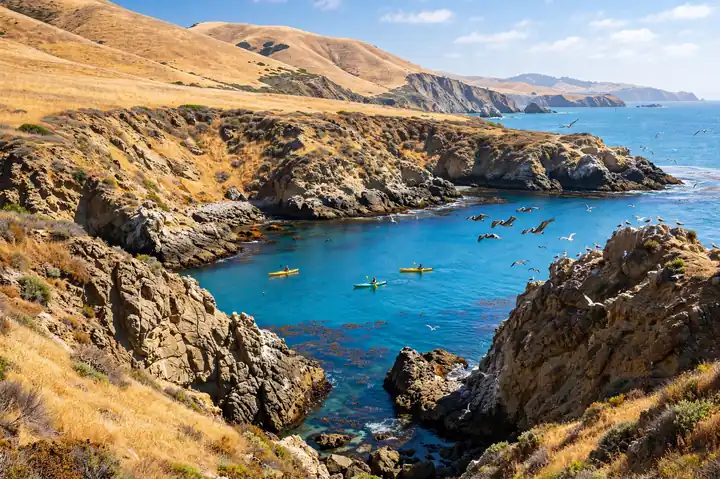
California offers beaches, cities, mountains, and desert landscapes in one state. A solo traveler can enjoy San Francisco, Los Angeles, and San Diego without a strict schedule. The Southwest adds red rocks, wide skies, and quiet desert towns. If you want seasonal ideas, the best places to visit in the USA in summer can help you choose warm-weather stops, while the best place to visit in the Smoky Mountains suits travelers who love forests and scenic drives.
Mountain Towns and Scenic Drives
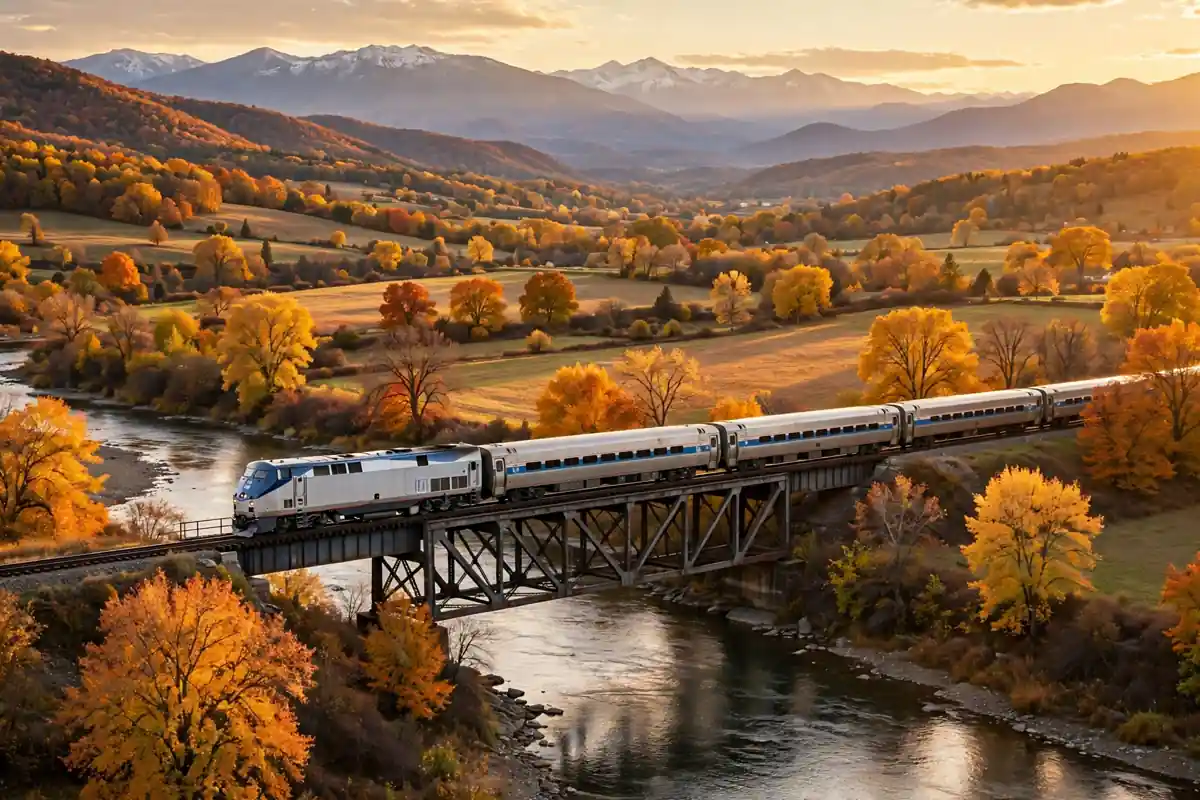
Mountain towns are perfect for solo travelers who want nature without crowds. You can hike in the morning, explore a small downtown in the afternoon, and enjoy a quiet dinner in the evening. A drive along the Blue Ridge Parkway in fall is a beautiful solo experience, with overlooks, short trails, and colorful leaves. For winter ideas, check places to visit in Salt Lake City in winter before you plan a cold-weather trip.
Small Cities and College Towns
Do not overlook small cities. Places with universities, art scenes, and farmers markets often feel friendly and safe for solo visitors. They are cheaper than major cities, easier to walk around, and full of local character. A weekend in a small city is a low-pressure way to test solo travel before a longer trip.
Solo Travel Safety Tips That Actually Help
Safety starts before you leave home. Share your itinerary with a trusted friend or family member, including hotel names and travel dates. Keep copies of your ID, bookings, and insurance in both paper and digital form. Charge your phone fully each night, and carry a portable charger during the day.
On the road, trust your instincts. If a street feels unsafe, leave. If a stranger makes you uncomfortable, walk into a shop or cafe. Avoid walking alone late at night in unfamiliar areas, and use licensed taxis or rideshare services after dark. These simple travel safety tips sound basic, but they prevent most problems solo travelers face.
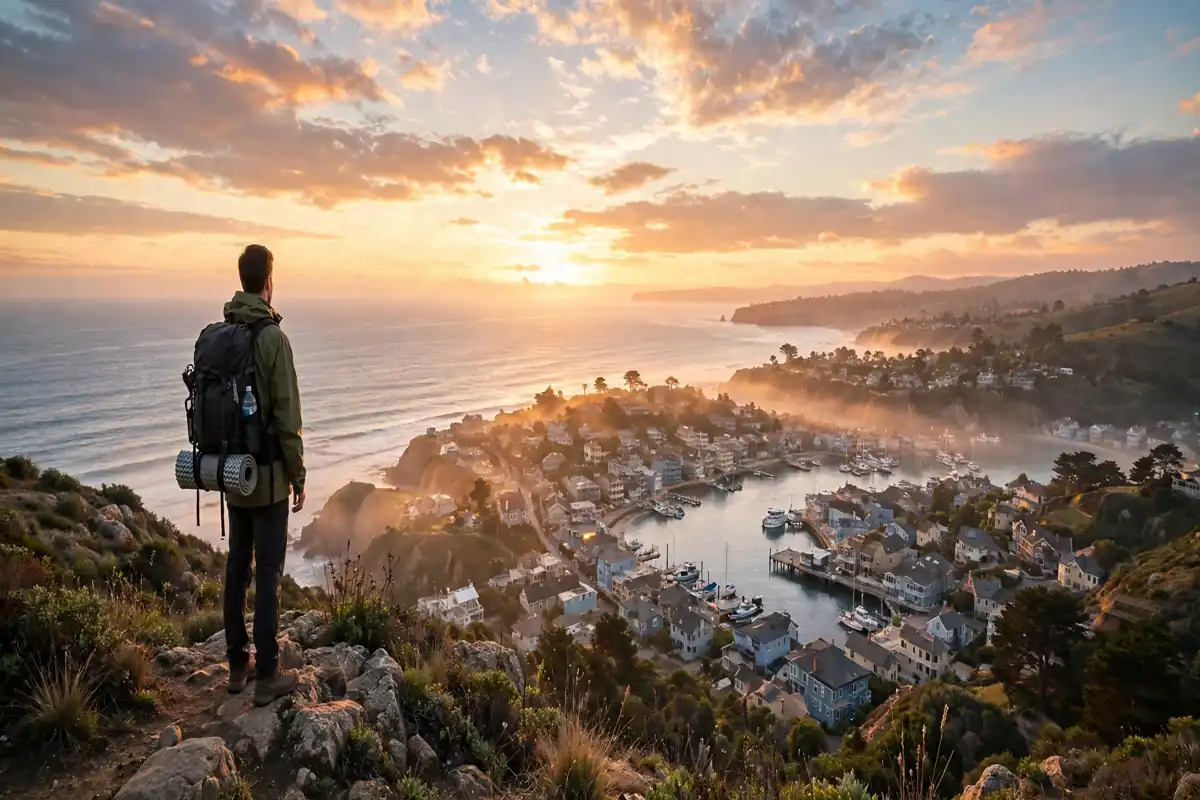
In nature, safety means preparation. Tell someone your hiking plan, carry water and a map, and stay on marked trails. Weather can change fast in mountains and deserts, so check forecasts daily. If you want to add a park visit to your solo trip, learn how to plan a national park trip so you choose trails and seasons that match your fitness and experience.
How to Budget for Solo Travel in the USA
Solo travel can cost more per person because you cannot split hotel rooms or rental cars. The solution is smart planning, not a huge budget. Hostels, budget hotels, and short-term rentals with kitchen access can cut accommodation costs. Cooking some meals, using public transport, and choosing free attractions also help a lot.
Set a daily budget with three parts: stay, food, and activities. Add a small emergency fund for changes, delays, or a special experience you do not want to miss. Booking transport and stays early usually saves money, especially in popular cities during summer and holidays. The habits in backpacking on a budget work well for solo travelers too, even if you prefer hotels to hostels.
Look for free and low-cost experiences. Many museums have free days, parks offer free entry on certain dates, and walking tours are often affordable. A picnic in a city park can be more memorable than an expensive restaurant, and it leaves money for the experiences that matter most to you.
Packing and Planning for a Solo Trip
Pack light so you can move easily on your own. One carry-on bag and a small daypack are enough for most trips up to two weeks, if you choose versatile clothes and do laundry once during the trip. Comfortable walking shoes are essential, because solo travelers often explore on foot.
Your daypack should hold water, snacks, sunscreen, a phone charger, ID, and a light jacket. A paper map or offline map app is useful when mobile signal is weak. Useful travel apps can help you book stays, find transport, translate signs, and discover nearby attractions. Before you book transport, compare options and learn cheap flights strategies so you do not overspend on the first leg of your trip.
Plan a loose itinerary, not a rigid schedule. Book your first night of accommodation in advance, and leave later days flexible. This balance gives you security on arrival and freedom to follow local recommendations once you are there. If you love the outdoors, camping for beginners can help you add a safe, affordable night under the stars to your solo journey.
How to Meet People Without Losing Your Freedom
Many first-time solo travelers worry about loneliness, but meeting people is easier than expected. Stay in social hostels, join group tours, take a cooking class, or attend a local event. Shared activities give you natural conversation topics and a chance to make friends for a day or longer.
Cafes, libraries, and coworking spaces are also good places to meet locals and travelers. Ask staff for recommendations, because they often know hidden spots that guidebooks miss. At the same time, protect your alone time. It is fine to say no to plans, eat alone, or spend a day reading in a park. Solo travel works best when social time feels like a choice, not an obligation.
Photos help you remember the journey and share it with people at home. Learn basic travel photography tips so you can take great shots without carrying heavy equipment. A tripod or a friendly stranger can help with the occasional portrait, but most solo memories are best captured simply and naturally.
Common Solo Travel Mistakes to Avoid
One common mistake is overplanning. A packed schedule leaves no room for rest, surprises, or local tips. Another mistake is underplanning, especially for the first night. Arriving tired in a new city without a place to stay is stressful and unsafe. Aim for a middle path: secure arrivals, flexible days.
Another mistake is comparing your trip to social media. Solo travel includes quiet days, wrong turns, and ordinary meals. Those moments are normal, and they often lead to the best stories. Finally, do not ignore your health. Sleep well, drink water, eat regularly, and take rest days. A healthy traveler enjoys more than an exhausted one.
Conclusion: Your First Solo Trip Starts With One Step
Solo travel in the USA is not about proving something. It is about discovering what you enjoy when you choose for yourself. Start small, choose a destination that excites you, and build confidence one trip at a time. A weekend solo break can teach you more than months of planning.
Book the first night, pack light, share your plans with someone you trust, and go. You may return with new friends, new favorite places, and a stronger sense of what you can do on your own. That is the true reward of solo travel.