Great travel photos don’t happen by accident. Behind every jaw-dropping shot of a waterfall or mountain sunrise is a photographer who understood light, composition, and timing. The good news? You don’t need expensive gear or years of training to dramatically improve your travel photography. These beginner-friendly tips will help you capture stunning adventure photos on your very next trip, whether you’re shooting with a mirrorless camera or a smartphone.
MASTER THE BASICS OF COMPOSITION
1. Use the Rule of Thirds
Imagine your frame divided into a 3×3 grid and place your subject along the lines or intersections. Most cameras and phones can display this grid. This simple technique instantly makes photos more balanced and engaging than centering everything.
2. Find Leading Lines
Roads, rivers, fences, and shorelines naturally draw the viewer’s eye into your photo. Position yourself so these lines lead toward your main subject, like a trail winding toward Niagara Falls at golden hour.
3. Frame Your Subject
Use natural frames like archways, tree branches, or windows to add depth. Shooting a temple courtyard through a stone doorway, as you might in the heart of Bali, creates an intimate, layered image.
CHASE THE LIGHT
4. Shoot During Golden Hour
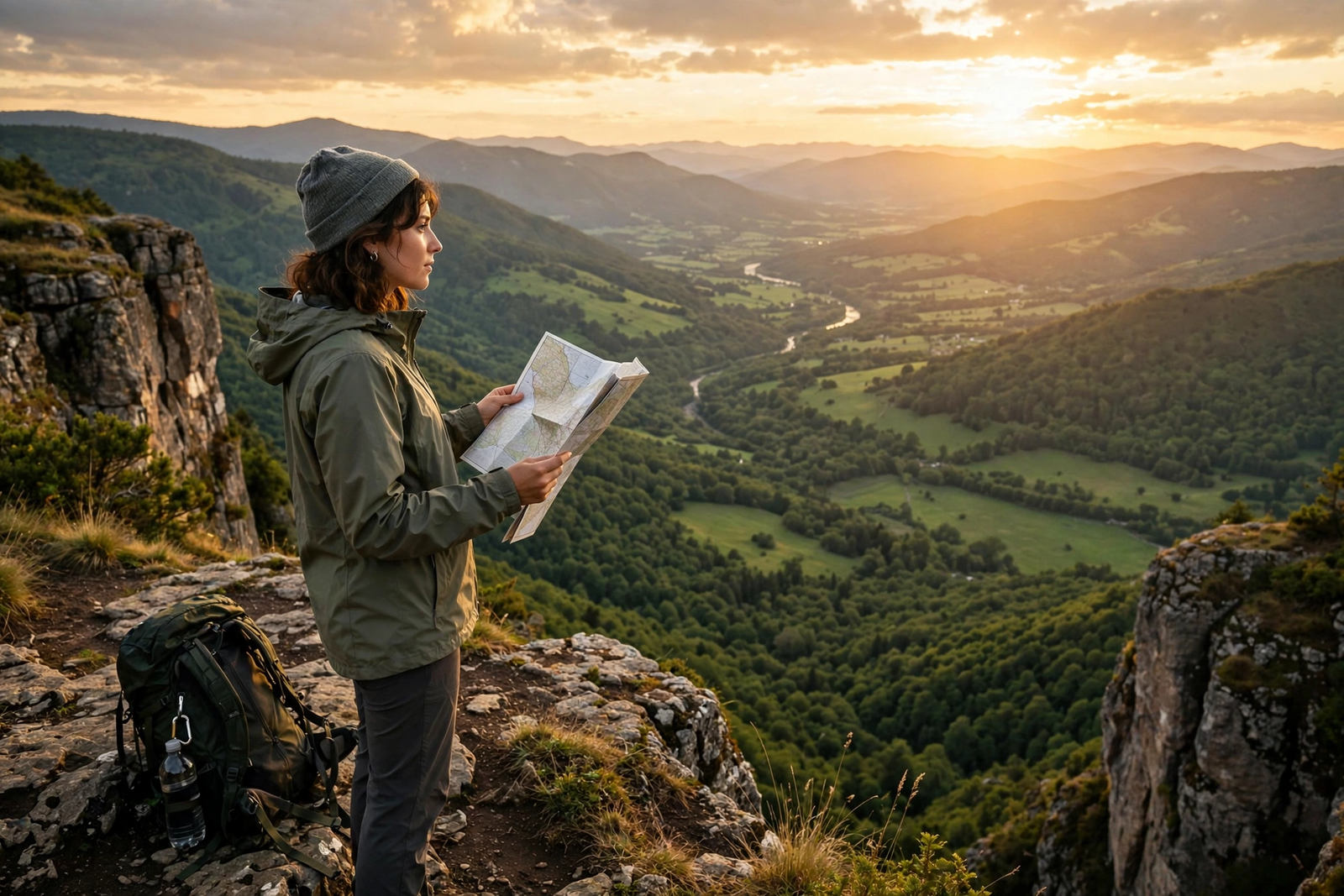
The hour after sunrise and before sunset bathes landscapes in warm, flattering light. Harsh midday sun creates unflattering shadows, so plan your key photo stops for early morning or late afternoon.
5. Embrace Blue Hour
The 20 to 30 minutes after sunset paint the sky in deep blues and purples. City skylines and illuminated landmarks, from Tokyo in winter to small-town main streets, look magical during blue hour. Bring a tripod or stabilize your camera.
6. Learn to Love Overcast Days
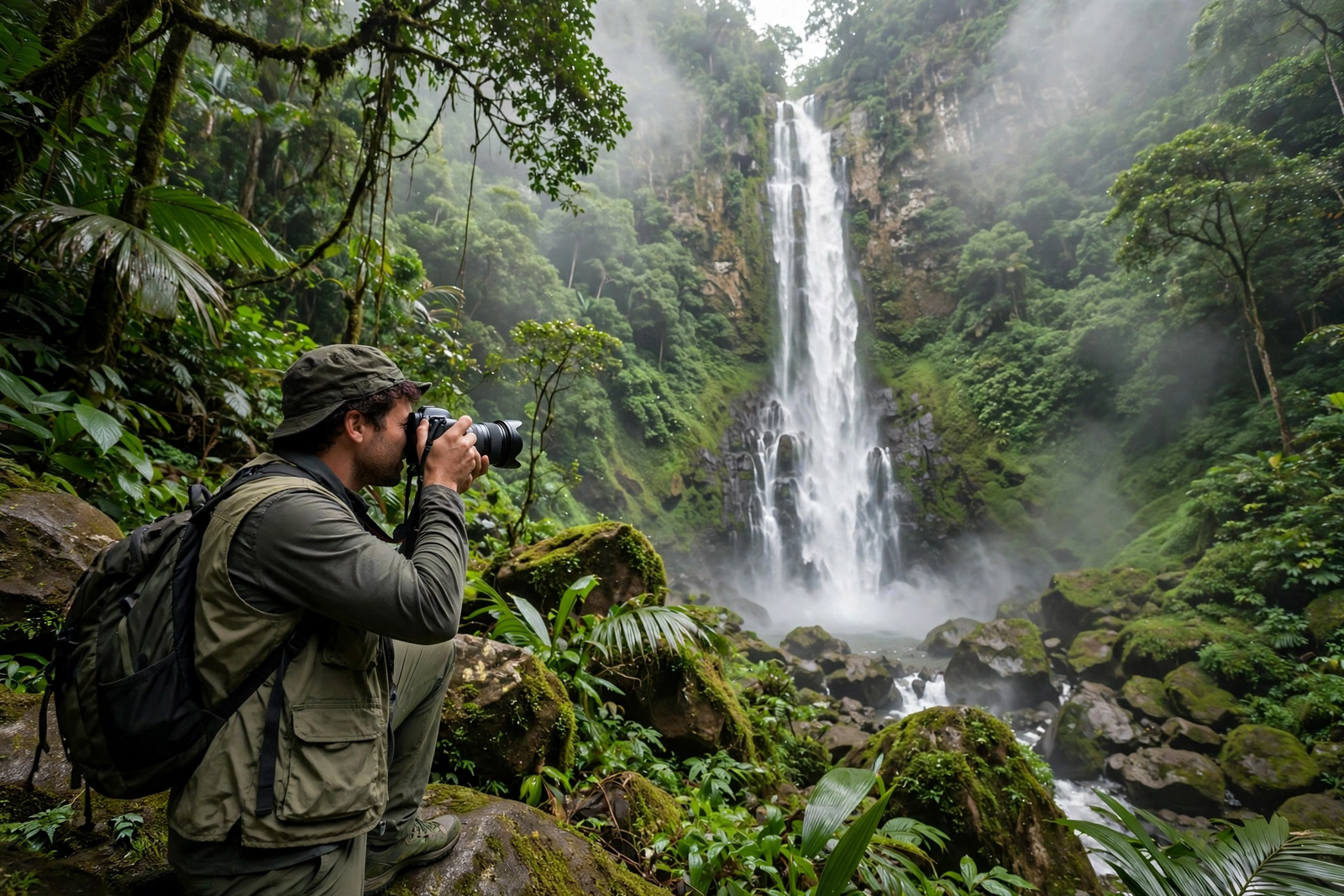
Clouds act as a giant softbox, eliminating harsh shadows. Forest scenes, waterfalls, and portraits all photograph beautifully in soft, diffused light.
GEAR ESSENTIALS FOR BEGINNERS
7. Start With What You Have
Modern smartphones take incredible travel photos. Master composition and light before investing in a dedicated camera. The best camera is the one you have with you.
8. Invest in a Versatile Zoom Lens
If you buy a camera, a 24-70mm equivalent zoom covers landscapes, street scenes, and portraits without constant lens changes. It’s the ideal single-lens travel kit.
9. Bring a Lightweight Tripod
A compact travel tripod unlocks night photography, silky waterfall long exposures, and sharp group shots with you in the frame. Carbon fiber models are worth the investment.
10. Protect Your Gear
A rain cover, microfiber cloths, and silica gel packets protect against the elements. Always carry gear in a proper camera bag, not loose in a daypack.
CAPTURE AUTHENTIC MOMENTS
11. Photograph People and Culture
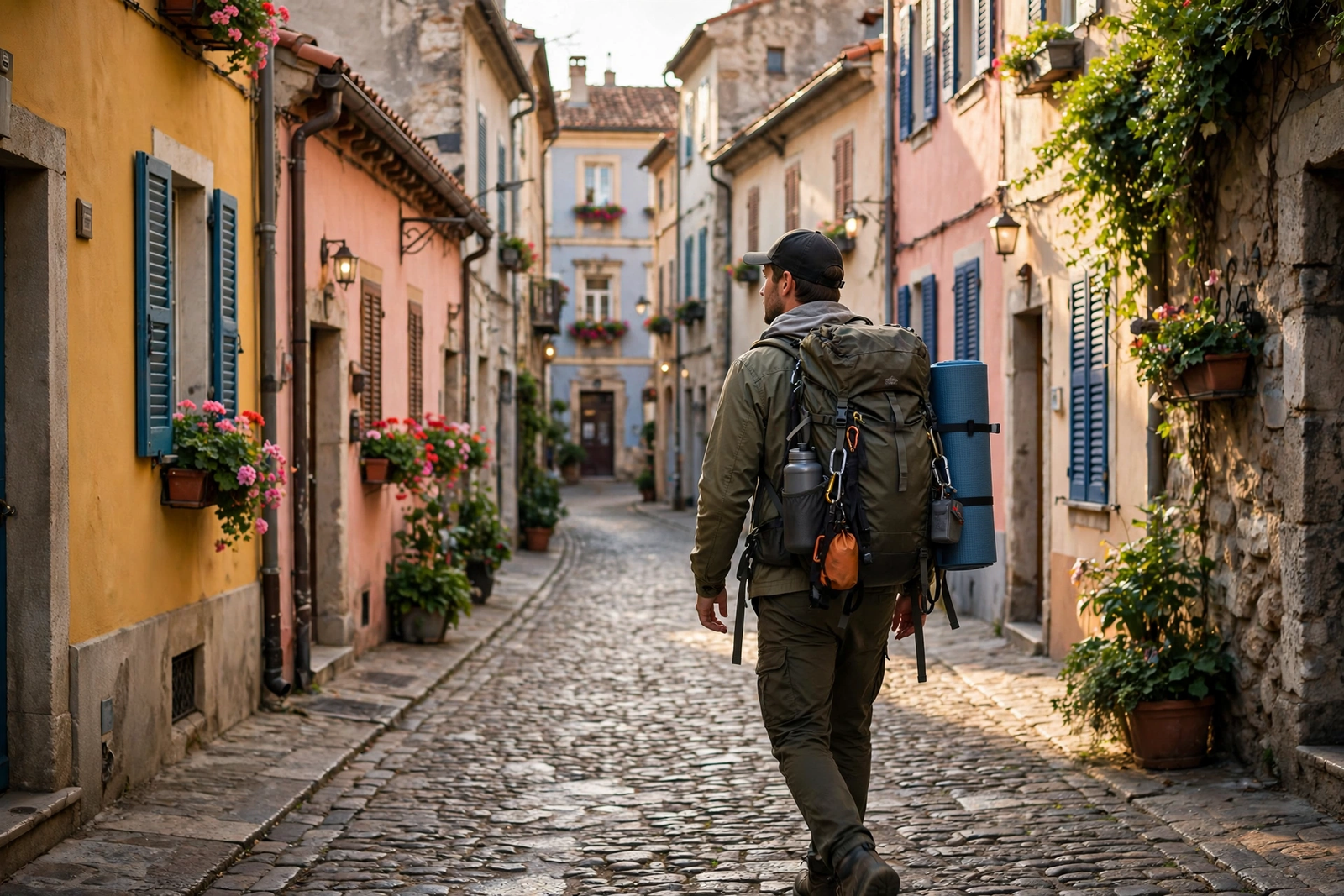
Landscapes are beautiful, but people tell stories. Always ask permission before photographing individuals, learn a few words of the local language, and show genuine interest.
12. Get Up Early, Stay Out Late
The best light and the fewest crowds happen at the edges of the day. Sunrise at a popular viewpoint often means having it entirely to yourself.
13. Tell a Story With Sequences
Shoot wide establishing shots, medium details, and close-up textures to tell a complete visual story of each place, from the best places to visit in New England to remote mountain villages.
EDITING AND SHARING
14. Shoot in RAW When Possible
RAW files capture far more data than JPEGs, giving you flexibility to recover shadows and highlights in editing. Storage is cheap; missed shots are forever.
15. Edit Lightly and Consistently
Adjust exposure, white balance, and contrast before reaching for filters. Develop a consistent editing style so your travel gallery, whether from California in fall or tropical beaches, feels cohesive.
FREQUENTLY ASKED QUESTIONS
What is the best camera for beginner travel photography?
Start with your smartphone. When you’re ready to upgrade, an entry-level mirrorless camera with a versatile zoom lens offers the best balance of quality, size, and price for travel.
How do I take better photos with my phone while traveling?
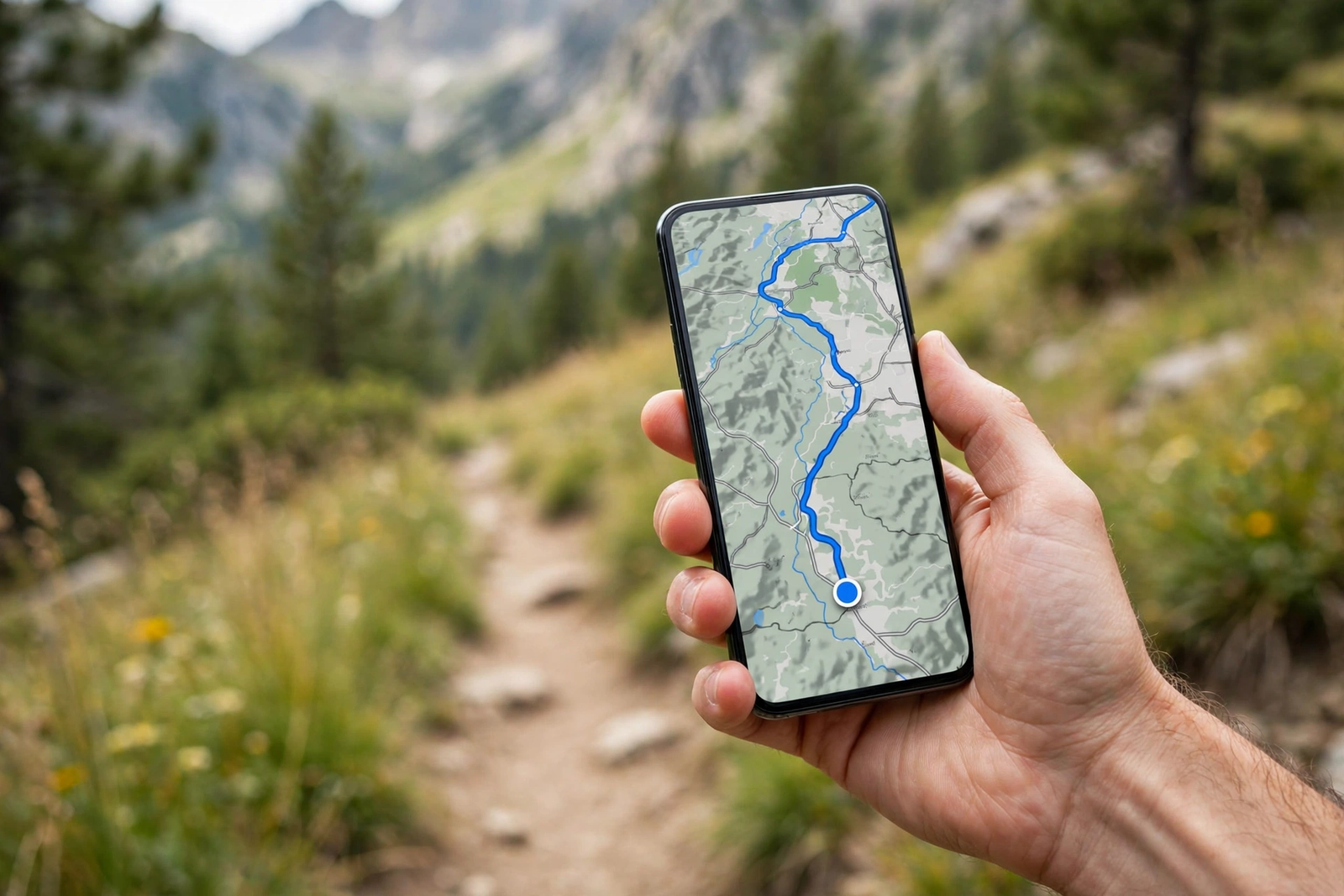
Clean your lens, tap to focus, use the rule of thirds grid, shoot in good light, and avoid digital zoom. Edit with apps like Lightroom Mobile or Snapseed.
What time of day is best for travel photography?
Golden hour (just after sunrise and before sunset) offers the most flattering light. Blue hour after sunset is ideal for cityscapes and illuminated landmarks.
How do I photograph waterfalls with silky water?
Use a tripod, set a slow shutter speed (1/4 to 2 seconds), use a low ISO, and shoot in shade or overcast light. A neutral density filter helps in bright conditions.
FINAL THOUGHTS
Travel photography is a skill that grows with every trip. Apply these tips on your next adventure, review your shots honestly, and keep experimenting. The stunning photos you’re dreaming of are closer than you think.