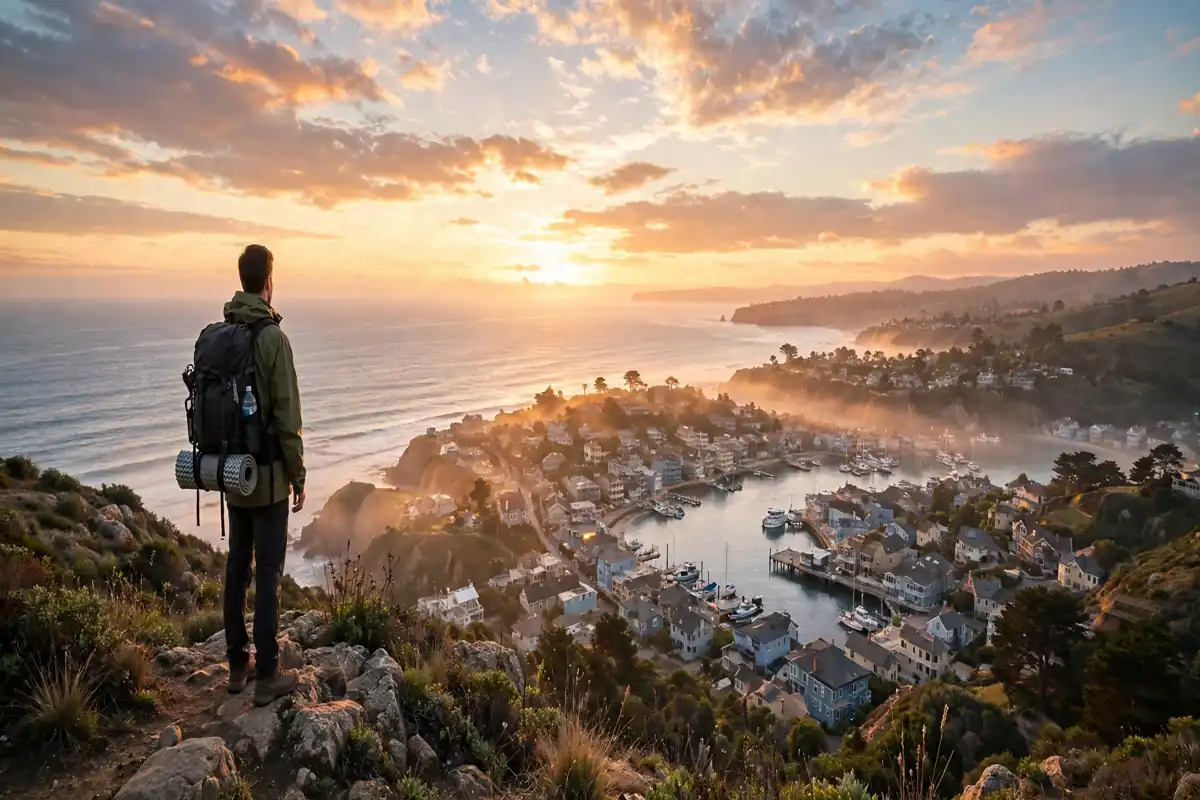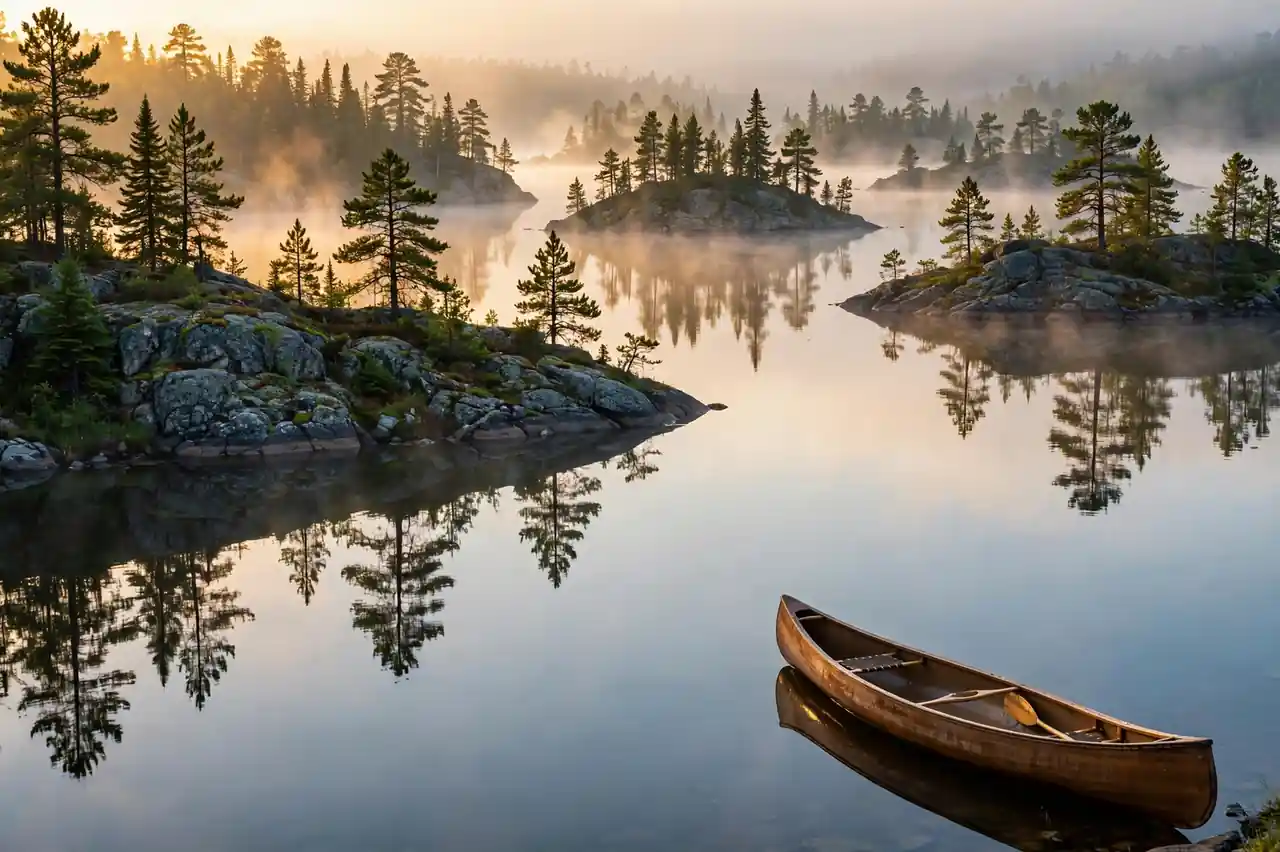
Just off the coast of Southern California, a chain of islands rises from the Pacific that feels a world away from Los Angeles traffic and beach crowds. Channel Islands National Park protects five of these islands, Santa Cruz, Santa Rosa, San Miguel, Santa Barbara, and Anacapa, along with the ocean around them. Locals call it California’s Galapagos, and the nickname fits: the islands shelter species found nowhere else on Earth, from the tiny island fox to rare plants that grow only on these windswept shores.
Visiting the Channel Islands takes a little more planning than a mainland park. You arrive by boat or small plane, you carry everything you need, and you leave the crowds behind. In return, you get sea caves to paddle through, cliffs crowded with seabirds, kelp forests to snorkel, and trails where island foxes trot past without fear.
This guide covers which island to choose, how to get there, the best kayaking and hiking, the wildlife you might see, and the practical tips that make an island trip smooth and safe. Whether you have a single day or a long weekend, you will find the advice you need to plan a California adventure unlike any other.
Why Channel Islands National Park Feels Like Another World
Isolation shaped these islands. Separated from the mainland for thousands of years, they evolved their own plants and animals. The island fox, a miniature cousin of the mainland gray fox, lives only here and has become a symbol of successful conservation. After near-extinction in the 1990s, fox populations recovered through a remarkable breeding and recovery program, and today sightings are common on Santa Cruz and Santa Rosa.
The islands also hold deep human history. The Chumash people lived here for thousands of years, building plank canoes called tomols and trading with the mainland. Later, ranchers, fishermen, and the military left their marks. Today, the park protects archaeological sites, historic ranch buildings, and a landscape that still feels wild despite its closeness to one of America’s largest cities.
For travelers who have done the mainland California classics, the Channel Islands offer something genuinely different. The Pacific Coast Highway itinerary covers the mainland coast beautifully, but nothing on that drive prepares you for paddling into a sea cave or watching a fox nap in the sun on Santa Cruz.
Which Island Should You Visit?
Each island has its own character, and choosing the right one shapes your trip. Santa Cruz is the largest and most visited, with the widest range of activities: kayaking, hiking, snorkeling, and camping. It suits first-time visitors and families best.
Anacapa, the closest island to the mainland, is small and dramatic, with steep cliffs, a historic lighthouse, and excellent seabird watching. It works well for a half-day or day trip, though it has no overnight camping for most visitors and limited shade and water.
Santa Rosa offers wilder, more remote hiking, long beaches, and excellent fishing and kayaking, but services are minimal and trips take longer. San Miguel, the most remote island, suits experienced adventurers seeking windswept wilderness and wildlife. Santa Barbara, the smallest island, offers a quiet escape with hiking and snorkeling, but boat service is less frequent.
For a first visit, choose Santa Cruz. It gives you the fullest experience in a single day or weekend, with the best visitor facilities and the most boat options. Return visitors can then explore the quieter islands at leisure.
Getting to the Channel Islands
Most visitors reach the islands by ferry from Ventura or Oxnard, operated by the park’s concessionaire. The crossing to Santa Cruz takes about an hour, while trips to the outer islands take longer and run less often. Book ferry tickets well ahead, especially for summer weekends, since boats fill quickly.
Small planes also serve Santa Rosa from Camarillo, offering a faster but pricier option. Whichever way you travel, arrive early, since check-in and loading take time, and seas can be rough. If you are prone to seasickness, take medication before boarding and sit near the center of the boat.
Once on the island, you travel on foot. There are no cars for visitors, no taxis, and no shops selling supplies, so pack everything you need: food, water, sun protection, layers, and a first-aid kit. Day-trippers should carry at least a liter of water per person, and campers need to plan for all meals and cooking.
Best Kayaking and Sea Caves
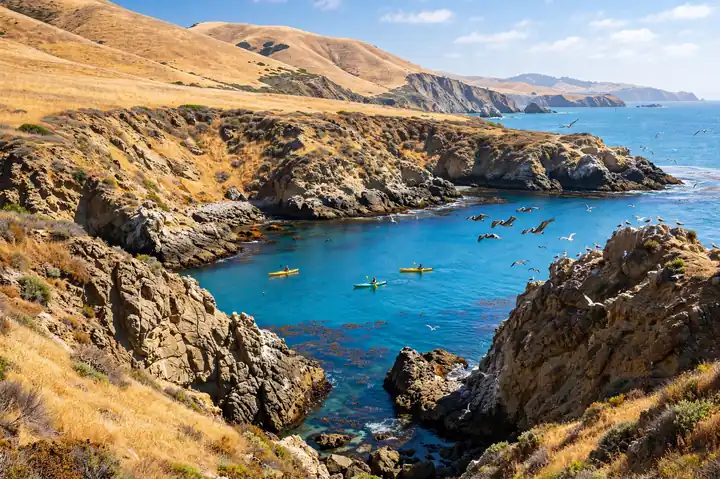
Kayaking is the signature Channel Islands experience, especially on Santa Cruz. Guided tours paddle from Scorpion Anchorage into sea caves, kelp forests, and hidden coves, with guides explaining the geology and wildlife along the way. The Painted Cave, one of the largest sea caves in the world, is a highlight for experienced paddlers on longer tours.
Guided tours suit most visitors, since guides know the tides, currents, and cave conditions, and they provide gear and safety briefings. Independent kayaking is possible for experienced paddlers who bring their own boats or rent from outfitters, but the ocean here demands respect: swells, currents, and wind can change quickly.
For a mainland paddling comparison, the Everglades park guide covers a very different water world of mangroves and slow rivers. The Channel Islands offer open-ocean paddling with caves and kelp, a wilder and more exposed experience.
Best Hikes on the Channel Islands
Hiking on Santa Cruz ranges from easy coastal walks to strenuous ridge climbs. The Cavern Point Loop, about two miles, offers cliff views and a gentle introduction to the island. The hike to Smugglers Cove, about seven miles round trip, crosses rolling hills to a remote beach, with island fox sightings likely along the way.
For a bigger challenge, the hike to Montanon Ridge climbs to panoramic views across the island and the channel. The trail is exposed and strenuous, so start early, carry plenty of water, and wear sun protection. There is almost no shade on the island’s ridges, and summer heat can be intense despite the ocean breeze.
On Anacapa, the short trail to Inspiration Point delivers one of the most dramatic viewpoints in the park, with cliffs dropping to the sea and views across the channel. The trail is easy and paved in parts, making it a good choice for visitors with limited time or mobility.
If you enjoy island and coastal hiking elsewhere, the Acadia National Park hikes offer a different island-coast experience on the Atlantic side, with granite peaks and carriage roads instead of chaparral and sea caves.
Wildlife Watching: Foxes, Seals, and Seabirds
Wildlife is the heart of a Channel Islands visit. Island foxes, about the size of a house cat, roam Santa Cruz and Santa Rosa with little fear of people. Watch them, photograph them, and never feed them. Human food harms foxes and teaches them to beg, which puts them at risk.
Harbor seals and California sea lions haul out on beaches and rocks, especially on the outer islands. Watch from a distance with binoculars, and never approach or disturb resting animals. During pupping season, extra caution matters, since mothers and pups are easily stressed.
Seabirds crowd the cliffs, especially on Anacapa, where western gulls, pelicans, and cormorants nest in noisy colonies. Whales pass through the channel on migration, and dolphins often ride the bow waves of ferries. Bring binoculars and a camera with a zoom lens, and keep your voice low near nesting areas.
Snorkeling, Diving, and Beach Days
The kelp forests around the islands are among the richest marine environments in California. Snorkelers at Scorpion Anchorage on Santa Cruz can float above swaying kelp, garibaldi, sea stars, and the occasional harbor seal. Water temperatures are cool, typically in the 60s Fahrenheit, so a wetsuit makes the experience far more comfortable.
Scuba divers can explore deeper reefs, caves, and wrecks, with dive boats operating from Ventura and Santa Barbara. Divers should be certified and experienced in cold-water, open-ocean conditions. For beginners, a guided snorkel tour offers a safe introduction to the kelp forest world.
Where to Stay: Camping on the Islands
Camping is the best way to experience the islands after the day-trippers leave. Santa Cruz has campgrounds at Scorpion Anchorage and other sites, with tent sites, picnic tables, and pit toilets. Reservations are required and fill fast for summer weekends, so book months ahead.
Campers must bring all food, water, and gear, since there are no stores on the islands. Store food in animal-proof containers or fox-proof boxes where provided, and never leave food unattended. Island foxes are clever thieves, and a stolen meal is a common first-night lesson for unprepared campers.
For mainland lodging, Ventura and Oxnard offer hotels, restaurants, and ferry terminals, making them convenient bases for day trips. Santa Barbara, about an hour north, offers a wider range of hotels and a charming downtown for a longer stay.
For camping skills that transfer to island trips, our camping for beginners guide covers gear, food storage, and Leave No Trace basics that matter even more on a fragile island.
Practical Tips for Island Travelers
Pack layers. Island weather changes fast, with cool fog in the morning, warm sun at midday, and wind in the afternoon. A windproof jacket, sun hat, sunscreen, and sturdy shoes cover most conditions. Bring more water than you think you need, since there is no potable water on most islands and no place to buy it.
Protect the islands’ fragile ecology. Stay on marked trails, do not pick plants, and clean your shoes and gear before arriving to avoid introducing invasive seeds. The islands’ isolation makes them vulnerable to species that mainland parks can absorb, and every visitor plays a role in keeping them wild.
Check ferry schedules, weather, and park alerts before you go, and build flexibility into your plans. Rough seas can delay or cancel boats, and a missed ferry can mean an unexpected night on the island or the mainland. Travel insurance and a flexible hotel booking help if your plans shift.
One-Day and Weekend Itineraries
With one day on Santa Cruz, take an early ferry, kayak the sea caves in the morning, hike the Cavern Point Loop in the afternoon, and catch the late ferry home. With a weekend, add a second day of hiking to Smugglers Cove or Montanon Ridge, plus snorkeling and a campfire evening at the campground.
For a longer California trip, pair the islands with the mainland coast. The Pacific Coast Highway itinerary makes a natural companion, and the best hikes in Zion National Park offer a desert contrast if you are traveling farther afield. California’s diversity is its greatest gift to travelers.
Frequently Asked Questions
Can I visit the Channel Islands on a day trip?
Yes. Ferries from Ventura and Oxnard make day trips to Santa Cruz and Anacapa easy, with enough time for kayaking, hiking, and wildlife watching.
Is there food or water on the islands?
No. There are no stores or restaurants on the islands, and potable water is extremely limited. Bring all food and water you need for your visit.
When is the best time to visit?
Spring and fall offer mild weather, wildflowers, and fewer crowds. Summer is warmest and busiest, while winter brings whale watching and dramatic seas.
Conclusion
Channel Islands National Park proves that adventure does not require a long flight or a remote wilderness. Just an hour by boat from Southern California, you can paddle through sea caves, hike among island foxes, and sleep under stars unspoiled by city lights. It is a park that rewards planning and curiosity in equal measure.
Choose your island, book your ferry early, pack for wind and sun, and leave the mainland behind for a day or a weekend. For more California and island trip ideas, explore our Joshua Tree hikes guide, our Shenandoah park guide, our best travel apps for 2026, and our travel safety tips before you set sail.