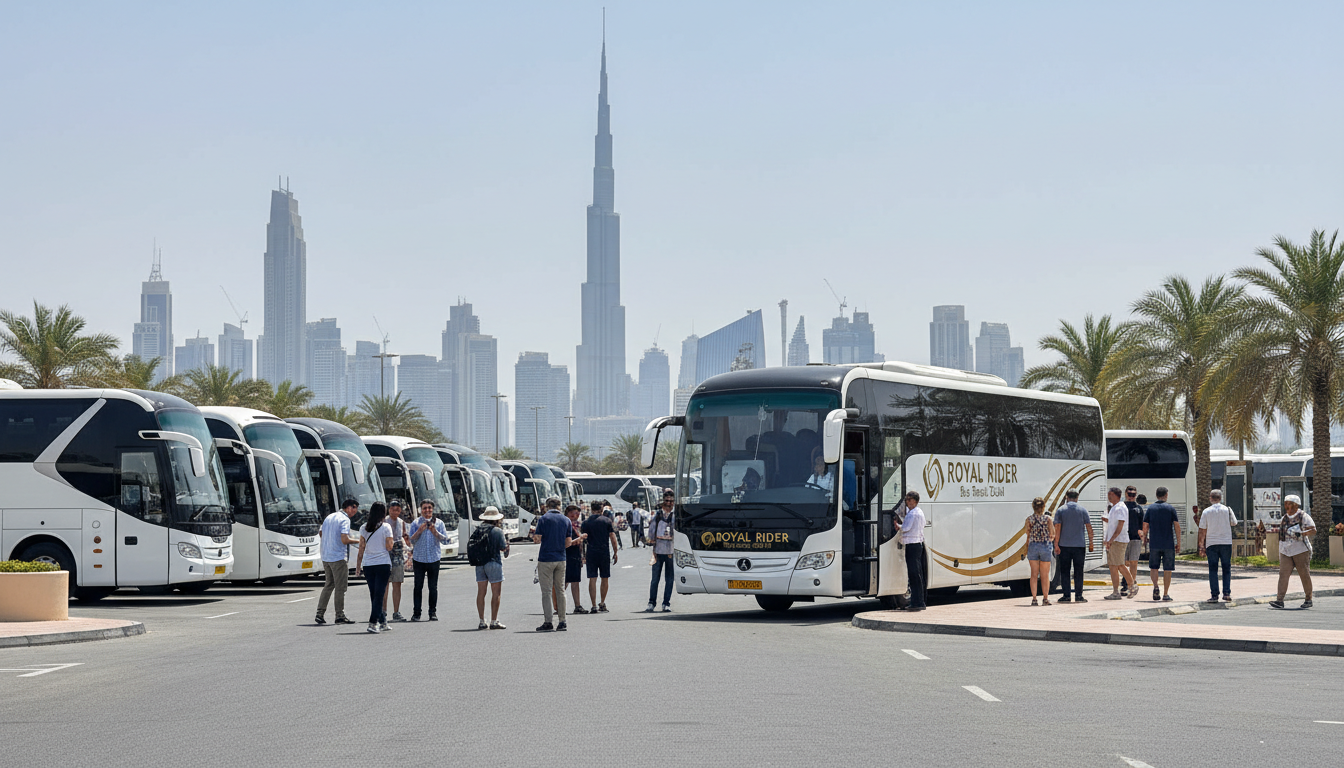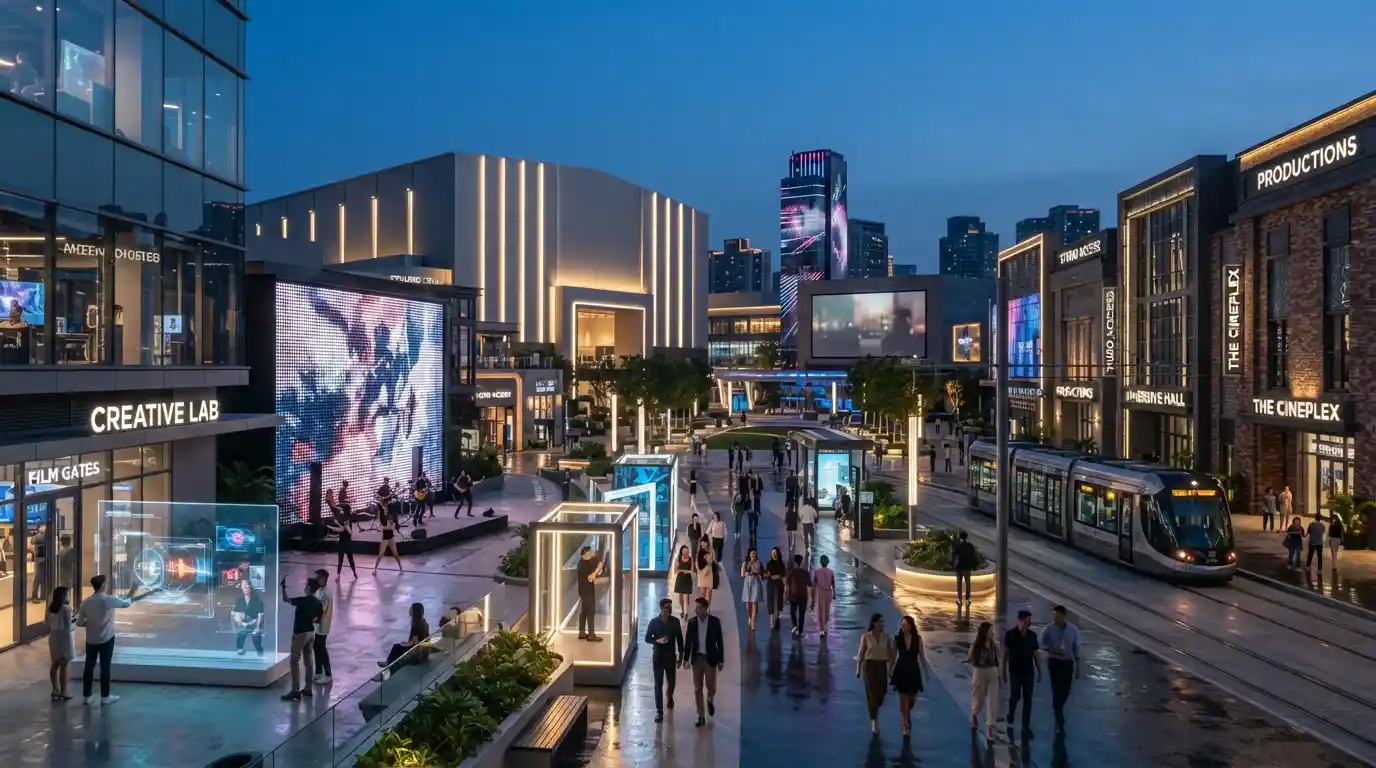
For travelers, families, entertainment enthusiasts, creators, and people interested in the future of experiential entertainment, a studio city can offer something very different from a conventional theme park or production facility. The combination of cinematic environments, interactive attractions, live shows, creative spaces, technology, restaurants, and hospitality creates an experience that can appeal to several types of visitors at once.
What Makes an Entertainment Studio City Different?
A traditional entertainment venue usually focuses on one primary activity. A cinema focuses on movies, a theater focuses on performances, and a theme park concentrates on rides and attractions. An entertainment studio city can combine many of these experiences within a larger creative ecosystem.
The concept connects production and entertainment. Visitors may encounter cinematic environments, interactive attractions, live performances, creative workshops, retail spaces, dining venues, and technology-driven activities within the same destination.
This approach also connects naturally with the broader world of entertainment media, where audiences increasingly expect more interactive and engaging ways to experience stories.
Immersive Attractions and Cinematic Environments
One of the biggest attractions of a studio city is the opportunity to move beyond passive entertainment. Instead of simply watching a story on a screen, visitors can enter environments inspired by cinematic worlds and become part of the experience.
Immersive attractions can include recreated streets, themed environments, interactive technology, practical effects, character experiences, and live demonstrations. Carefully designed scenery can make visitors feel as though they have stepped into another world.
These experiences can be especially appealing to families and younger visitors who enjoy activities that encourage participation. For parents looking for creative entertainment opportunities, the site’s guide to entertaining children offers another useful perspective on activities designed to capture young minds.
Film Studios and Production Facilities
An entertainment studio city is not only about what visitors see. The production side is equally important. Modern studio facilities can support filmmaking, television production, digital content, photography, visual effects, sound recording, and other creative projects.
Sound stages, lighting systems, green-screen environments, editing facilities, and specialized production spaces allow creative teams to develop content in professional surroundings.
The connection between technology and creative production is becoming increasingly important. Businesses and creators interested in this relationship can also explore ThinkRove’s coverage of technology-driven business operations and broader digital innovation.
For visitors, the production environment adds another layer to the experience. Seeing how sets, visual effects, cameras, lighting, and other production elements work can make entertainment feel more tangible and educational.
Live Shows and Performance Experiences
Live entertainment gives a studio city another major advantage. Concerts, theatrical performances, stunt demonstrations, interactive shows, and special events can transform a visit from a sightseeing trip into an active entertainment experience.
Live shows create an atmosphere that recorded entertainment cannot fully reproduce. The presence of performers, audience reactions, music, lighting, staging, and visual effects creates a shared experience.
Large-scale venues also demonstrate how entertainment destinations depend on careful planning and audience management. Visitors interested in venue capacity and event logistics can read more about entertainment centre capacity and what it means for event experiences.
Entertainment destinations can also benefit from professional event planning, particularly when multiple shows, attractions, and visitor activities operate simultaneously.
Technology at the Center of the Experience
Technology can transform a conventional entertainment venue into an interactive environment. Virtual reality, augmented reality, motion capture, artificial intelligence, digital displays, interactive installations, and personalized visitor systems can all contribute to a more engaging experience.
For example, an interactive attraction could respond to a visitor’s movements, while a digital system could help guests navigate different parts of the destination. Virtual production technology can also allow filmmakers to create environments that would previously have required extensive physical sets.
This intersection between entertainment and technology reflects the wider digital transformation taking place across creative industries. Readers interested in the broader subject can explore technology and gaming trends and the role of technology in modern entertainment.
Gaming and Interactive Entertainment
Gaming can be another important part of the modern entertainment ecosystem. Interactive games, immersive simulations, esports activities, virtual environments, and digital experiences can attract visitors who want to participate rather than simply watch.
The growing relationship between gaming and entertainment is also reflected in topics such as VR gaming experiences. High-performance virtual environments can create new opportunities for storytelling, competition, exploration, and social interaction.
A studio city that combines physical attractions with digital entertainment can appeal to a much wider audience. One visitor might prefer a live performance, while another may be more interested in virtual reality, gaming, filmmaking, or interactive exhibits.
Educational Opportunities Behind the Scenes
Entertainment does not have to be purely recreational. Studio environments can also provide valuable learning opportunities for people interested in filmmaking and creative careers.
Workshops and educational experiences may introduce visitors to cinematography, sound design, acting, editing, visual effects, set construction, lighting, storytelling, and other production skills.
This educational side makes entertainment studio destinations particularly interesting for students and aspiring creators. Those exploring broader educational and professional development topics can also look at resources such as specialized education and career development as examples of how practical learning can support professional growth.
Family-Friendly Entertainment
A major strength of an entertainment studio city is its potential to accommodate different age groups. Families can choose attractions based on the interests and comfort levels of individual visitors.
Children may enjoy interactive environments and character-inspired experiences, while adults may prefer live performances, restaurants, shopping, or behind-the-scenes production activities.
Family travel can also be connected with broader destination planning. Travelers researching family-friendly destinations may find useful ideas in guides such as places to visit with kids and family travel experiences in Europe.
The advantage of having multiple forms of entertainment in one location is flexibility. Families do not necessarily have to follow the same schedule throughout the day.
Hotels and Hospitality Around Entertainment Destinations
A successful entertainment destination often works best when hospitality is integrated into the overall visitor experience. Hotels can provide convenient accommodation for travelers who want to spend more than one day exploring attractions and events.
Themed accommodation can take the experience even further by extending the destination’s storytelling into guest rooms, restaurants, lounges, and common areas.
Travelers interested in entertainment-focused accommodation can also explore ThinkRove’s coverage of luxury hotel experiences, hotel experiences in Rome, and stays in Florence.
These types of hospitality experiences demonstrate why accommodation is more than simply a place to sleep. For destination-based entertainment, the hotel can become part of the overall trip.
Dining and Culinary Experiences
Food is another important part of a complete entertainment destination. Visitors spending several hours exploring attractions naturally need convenient places to eat, but themed restaurants can also become attractions in their own right.
Interactive dining, cinematic themes, specialty menus, chef-led experiences, and visually distinctive environments can make meals part of the entertainment journey.
Travelers who enjoy combining sightseeing and dining can explore destinations such as luxury dining in Rome and other restaurant-focused travel experiences throughout the site.
Shopping and Entertainment Merchandise
Retail can extend the experience beyond the destination itself. Visitors may want to take home collectibles, clothing, artwork, memorabilia, themed products, or other items connected to the attractions they experienced.
Interactive retail environments can make shopping more engaging by incorporating digital displays, themed store designs, demonstrations, and personalized experiences.
This approach connects entertainment with modern retail and consumer experiences, creating another reason for visitors to spend time within the destination.
Entertainment Tourism and Destination Travel
The rise of entertainment-focused destinations reflects a broader change in tourism. Travelers increasingly look for experiences rather than simply visiting landmarks. Entertainment destinations can become major reasons for choosing a particular city or region.
For people planning international trips, ThinkRove’s travel coverage includes destinations such as popular places to visit in Mexico, interesting places to visit in Spain, and top places to visit in Germany.
Entertainment can become one component of a larger vacation itinerary that includes cultural attractions, restaurants, hotels, shopping, nature, and local experiences.
Why Studio Cities Matter for the Entertainment Industry
The importance of an entertainment studio city extends beyond tourism. Such destinations can bring together filmmakers, performers, technicians, designers, technology companies, hospitality businesses, retailers, and other professionals.
This concentration of creative activity can encourage collaboration and create opportunities for new forms of entertainment. A production team can work close to technology specialists, performers can connect with creative professionals, and visitors can observe aspects of the industry that are normally hidden behind studio doors.
The broader media environment continues to evolve as audiences move between traditional broadcasting, streaming, gaming, social platforms, live events, and interactive experiences. This makes integrated entertainment environments increasingly relevant.
Readers interested in the legal side of this industry can also explore media and entertainment law, particularly because creative production involves intellectual property, licensing, contracts, privacy, and other legal considerations.
Planning an Entertainment-Focused Visit
Visitors can get more value from an entertainment studio city by planning their day before arrival. Large destinations may include numerous attractions, shows, dining venues, shopping areas, and interactive activities.
- Identify the attractions that are most important to you.
- Check the schedule for live performances and special events.
- Allow enough time for immersive attractions rather than rushing between activities.
- Consider dining and rest periods when planning a full day.
- Families should consider the interests and ages of children when selecting activities.
- Visitors interested in production should look for behind-the-scenes or educational experiences.
- Consider staying nearby if the destination offers enough activities for a multi-day visit.
Travel planning can also be combined with nearby destinations and attractions. For example, people building entertainment-focused trips may compare their options with travel guides covering places to visit near major destinations and attractions near major travel hubs.
The Future of Entertainment Studio Cities
The future of entertainment is likely to become increasingly interactive. Audiences are already accustomed to choosing content, interacting with digital environments, participating in online communities, and moving between different forms of media.
Studio cities can bring these trends into the physical world. Instead of experiencing entertainment only through a screen, visitors can enter environments, interact with technology, watch live performances, participate in activities, learn creative skills, dine, shop, and stay within an interconnected destination.
The combination of physical storytelling and digital technology also creates opportunities for entertainment companies to experiment with new formats. Virtual reality, augmented reality, artificial intelligence, immersive sound, projection technology, and interactive environments can continue changing how stories are experienced.
Is an Entertainment Studio City Worth Visiting?
For travelers who enjoy movies, live performances, technology, interactive attractions, creative experiences, or behind-the-scenes entertainment, a studio city can provide a distinctive alternative to a conventional sightseeing trip.
The strongest appeal comes from variety. Visitors can move from cinematic attractions to live entertainment, educational activities, dining, shopping, gaming, and hospitality without leaving the broader destination.
That combination makes the concept particularly suitable for families, entertainment enthusiasts, tourists, aspiring creators, and anyone interested in how technology is reshaping modern experiences.
Final Thoughts
The first entertainment studio city represents an ambitious vision for the future of experiential entertainment. By combining production facilities, immersive attractions, live performances, technology, education, hospitality, dining, gaming, and retail, the concept creates a destination where entertainment is experienced rather than simply watched.
Its broader significance lies in the way different industries can work together around a single visitor experience. Film, technology, tourism, hospitality, education, retail, and live events can all contribute to a destination designed around creativity and engagement.
For visitors, the result can be a more dynamic form of entertainment tourism. For creators and industry professionals, it can provide an environment where production, collaboration, and innovation come together. As audiences continue looking for memorable and interactive experiences, entertainment studio cities have the potential to become an important part of the future travel and entertainment landscape.