Chicago rewards every kind of traveler. You can start the morning under a giant silver bean, eat a world-famous deep-dish pizza for lunch, and end the day watching the sun set over Lake Michigan. If you are planning your first visit, this guide covers the essential things to do in Chicago, plus honest advice on food, neighborhoods, and getting around.
The city is big, but most top sights sit close together downtown. That makes it easy to see a lot in two or three days without feeling rushed.
Start at Millennium Park and the Bean
Millennium Park is the natural first stop. Its star is Cloud Gate, the polished steel sculpture everyone calls the Bean. Arrive before 9 a.m. if you want a photo without a crowd reflected in it.
The park is free, and it connects neatly to the Art Institute of Chicago, one of the finest art museums in the country. Inside, you will find famous American works like American Gothic and a huge Impressionist collection. Give it at least two hours.
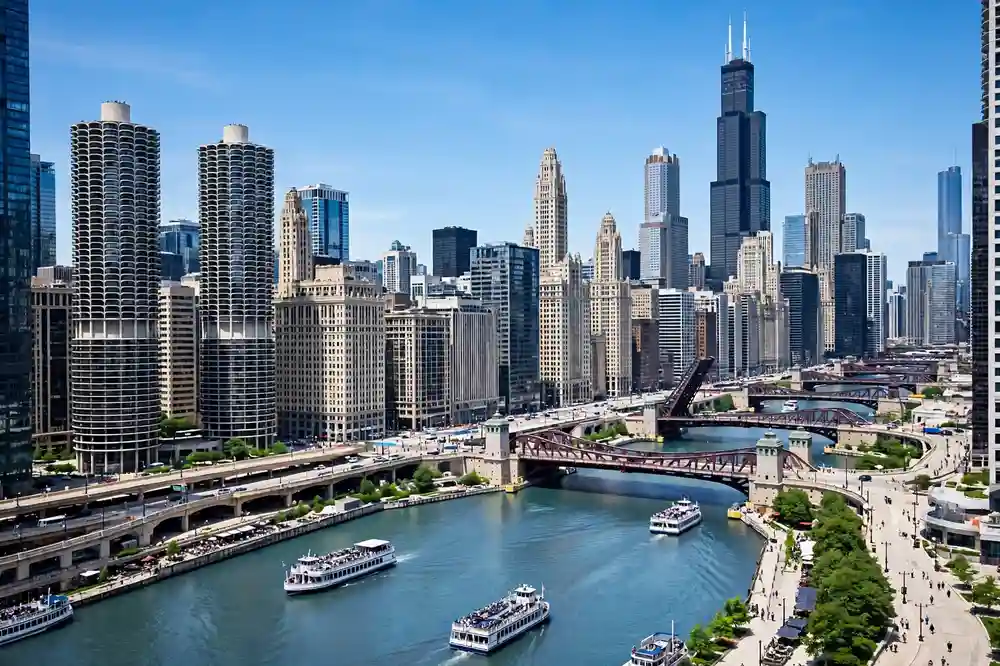
From the park, walk a few blocks to the Chicago Riverwalk. This pleasant path runs along the river with cafes, public art, and constant boat traffic passing under the city’s historic bridges.
See the Skyline From the Water
Chicago invented the skyscraper, and the best way to appreciate its buildings is from a boat. An architecture river cruise is widely considered the single best tour in the city. Guides explain how the skyline rose after the Great Fire of 1871, and you see landmark towers from an angle you cannot get on foot.
If you prefer to stay on land, ride the elevator up Willis Tower (still called Sears Tower by locals) or the observatory at 875 N Michigan Avenue, the former John Hancock Center. On the Willis Tower Skydeck, glass boxes called the Ledge jut out from the 103rd floor. The views stretch across four states on a clear day.
For an easy free view, walk the Lakefront Trail. This paved path runs for miles along Lake Michigan and gives you the classic postcard skyline shot, especially near the Adler Planetarium.
The Best Things to Do in Chicago Neighborhoods
Downtown is only the beginning. Chicago’s neighborhoods each have their own flavor, and exploring two or three will make your trip feel complete.
Lincoln Park and Old Town
Lincoln Park is home to a free zoo that has charmed visitors for generations. The surrounding streets are leafy and calm, with bakeries, bookshops, and the start of the famous Second City comedy theater in nearby Old Town. Many of today’s comedy stars began on that stage, so book an evening show if you enjoy live humor.
Pilsen and Hyde Park
Pilsen is the heart of Chicago’s Mexican-American community, filled with colorful murals and excellent, affordable restaurants. The National Museum of Mexican Art here is free and genuinely excellent.
Hyde Park, on the South Side, holds the Griffin Museum of Science and Industry and the University of Chicago campus. The museum’s full-size German submarine from World War II is a highlight few visitors expect.
Eat Like a Local: Pizza, Hot Dogs and More
Deep-dish pizza is the dish everyone argues about. It is more like a hearty pie than a slice, baked in a deep pan with chunky tomato sauce on top. Order it once, share it, and arrive hungry. Tavern-style pizza, cut into squares, is what many Chicagoans actually eat week to week, so try both if you can.
The Chicago-style hot dog is the other must-eat. It comes “dragged through the garden” with tomato, pickles, relish, onions, mustard, and celery salt on a poppy seed bun. Just know that asking for ketchup will earn you a friendly lecture.
Beyond the classics, the West Loop’s Randolph Street corridor is packed with acclaimed restaurants. Chicago regularly ranks among America’s best food cities, so book popular tables a few weeks ahead. If your trip extends beyond the city, the legendary Route 66 road trip actually begins downtown, marked by a small sign on Adams Street.
Museums and Culture Beyond the Big Names
The Art Institute gets the headlines, but Chicago’s museum bench is deep. The Field Museum, near the lakefront, is famous for SUE, one of the largest and most complete Tyrannosaurus rex skeletons ever found. Its halls of gems, ancient Egyptian artifacts, and evolving planet exhibits can fill half a day on their own.
A short walk away, the Shedd Aquarium houses beluga whales, penguins, and a Caribbean reef in the center of a grand old building. Buying the three-attraction campus as a bundle with the neighboring Adler Planetarium often saves money if you plan to visit more than one.
For something different, the Chicago Architecture Center runs excellent walking tours and exhibitions about the city’s buildings. Theater lovers are spoiled too: the Chicago Theatre marquee on State Street is a photo stop by itself, and the city’s storefront theater scene produces bold, inexpensive shows in small rooms across the North Side.
Free and Low-Cost Ways to Enjoy the City
Chicago is unusually generous with free experiences. The Lincoln Park Zoo charges nothing, Millennium Park costs nothing, and the lakefront beaches are public. In summer, the park hosts free concerts and outdoor film screenings on its Great Lawn.
The Garfield Park Conservatory, reachable on the Green Line, is one of the largest conservatories in the country and completely free. Its palm house and fern room feel like a tropical escape, which is especially welcome in February.
Art lovers on a budget should check the free days that major museums offer Illinois residents throughout the year, and everyone can enjoy the city’s public art. Works by Picasso, Calder, Miró, and Chagall stand in downtown plazas, free to anyone who walks by.
Where to Stay
Most first-time visitors stay in the Loop, River North, or the Magnificent Mile area of Michigan Avenue. These districts put you within walking distance of the park, the river, and several train lines. Hotels here range from grand historic properties to dependable mid-range chains.
For a quieter, more local stay, look at Lincoln Park, Logan Square, or Wicker Park. You will trade a short train ride for tree-lined streets, independent coffee shops, and lower prices. Wherever you base yourself, staying near an L station matters more than the exact neighborhood.
Plan the Timing and the Basics
Weather shapes a Chicago trip more than almost anything. Late spring and early fall bring mild days and thinner crowds. Our detailed guide on the best time to visit Chicago breaks down each season, including the famous summer festival season and the very real winter cold.
Summer is wonderful but busy, with huge events like Lollapalooza and the Taste of Chicago. Winter is cheap and festive, yet Lake Michigan winds can make it feel far colder than the thermometer says. Pack layers either way.
Getting around is simple. The CTA trains, nicknamed the “L,” connect both airports to downtown, and the Red and Blue lines cover most sights. A multi-day transit pass usually pays for itself quickly. For flights, applying a few smart tips for finding cheap flights can cut the cost of reaching Chicago’s two busy airports.
Easy Day Plans and Next Stops
With three days, a balanced plan works well. Spend day one in the Loop and Millennium Park, day two in museums and neighborhoods, and day three on the lakefront or at a ballgame. Wrigley Field, home of the Cubs since 1916, offers one of the warmest atmospheres in American sports even if you barely follow baseball.
First-time visitors to the country will also find our USA travel guide for first-time visitors useful for tipping, transit, and payment basics. And a handful of reliable travel apps for planning makes navigating the L and booking timed museum tickets far easier.
Many travelers pair Chicago with another Midwest or East Coast stop. A long weekend built around things to do in Nashville adds live music and Southern food, while a Washington DC guide covers the capital’s monuments and free museums. If beaches are calling instead, a Miami travel guide and a Las Vegas itinerary show two very different ways to extend the trip.
Quick Questions, Answered
How many days do you need in Chicago? Two full days cover the headline sights, but three or four days let you add neighborhoods, a ballgame, and a museum or two without rushing.
Is Chicago expensive? It sits in the middle for a big US city. Many top experiences are free, transit is affordable, and food ranges from cheap hot dog stands to splurge tasting menus.
Which airport is better? Midway is smaller and closer to downtown; O’Hare is larger with more flights. Both connect to the city center by train, so choose based on price and schedule.
Key Takeaways
- Base yourself downtown or in River North for easy transit to most sights.
- Do the architecture river cruise early in the trip; it makes the whole city easier to understand.
- Try both deep-dish and tavern-style pizza, plus a proper Chicago hot dog.
- Visit at least two neighborhoods beyond the Loop for the real feel of the city.
- Book observatory and popular restaurant reservations in advance during summer.
Chicago is confident, friendly, and easy to love. Give it a few days, eat well, look up often at those famous towers, and you will understand why so many visitors start planning their return trip before they have even left.