The best time to visit Chicago is from June to early September, when Lake Michigan warms up, festival season peaks, and the city spends every possible hour outdoors. The trade-off is price: summer brings the highest hotel rates of the year. For the opposite deal, visit in January or February, when crowds vanish and rooms are cheapest, but dress for some of the coldest big-city weather in America.
Chicago is really two cities. Summer Chicago is beaches, rooftop bars, boat tours, and music in the parks. Winter Chicago is museums, deep-dish by a fireplace, holiday markets, and bracing wind off the lake. Both are worth seeing. This guide compares the seasons honestly so you can decide which version of the city you want, and what it will cost you.
Best Time to Visit Chicago at a Glance
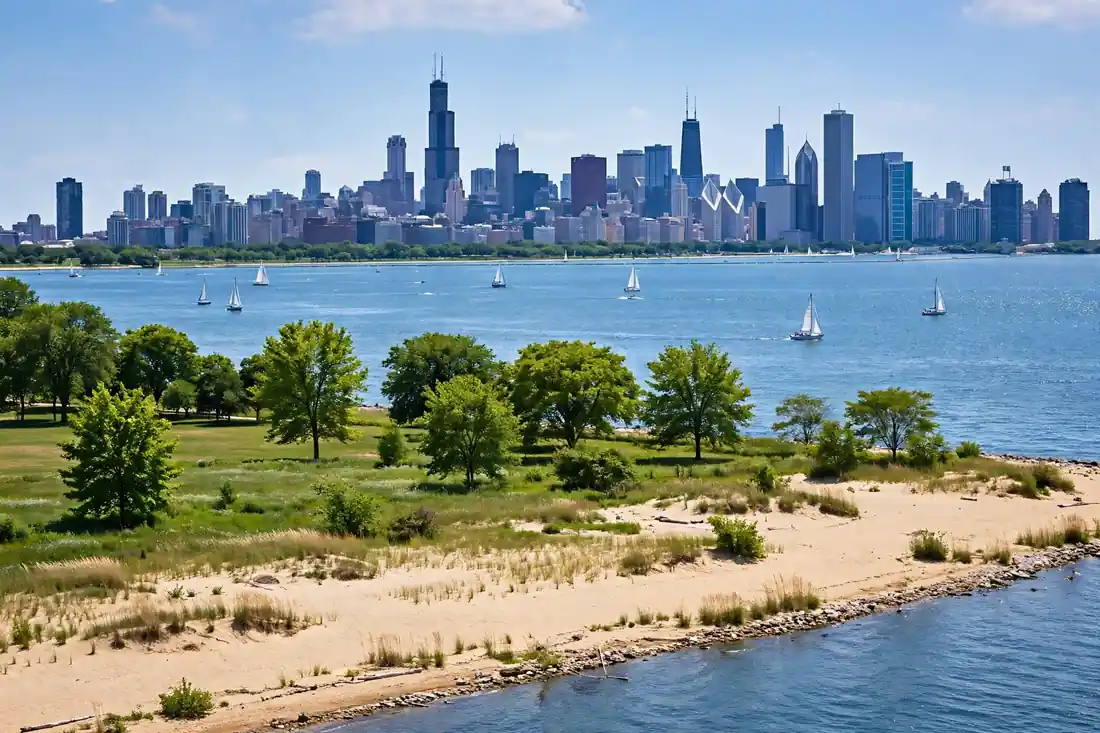
Summer wins for most first-time visitors. June through August brings highs in the upper 70s and 80s, long evenings, and a festival almost every weekend. The lakefront becomes the city’s living room, with beaches, bike paths, and skyline views that justify every bit of the hype.
Late spring and early fall are the smart compromises. May and September keep much of the warmth with thinner crowds and lower prices. September in particular is a local favorite: warm lake water, golden light, and the tail end of patio season.
Winter is the budget season and a genuinely different trip. November through March is cold, sometimes brutally so, but the city’s museums, theaters, and restaurants are world-class and blissfully uncrowded. Once your dates are set, plan your days with our guide to the top things to do in Chicago.
Chicago Weather by Season
Spring (March to May)
Spring arrives slowly in Chicago. March is still wintry, with highs in the 40s and the famous St. Patrick’s Day celebration, when the river is dyed green and the city parties regardless of temperature. April improves unevenly, mixing mild days with cold snaps and rain.
By May, the city turns. Highs reach the upper 60s and 70s, tulips line Michigan Avenue, and outdoor cafes reopen. Spring is unpredictable, so pack layers and a rain jacket. Travelers arriving by rail get a bonus: the city is a national hub, and the routes in our Amtrak train travel guide make a spring arrival part of the adventure.
Summer (June to August)
Summer is Chicago’s glory season. Highs sit in the low-to-mid 80s, lake breezes keep evenings pleasant, and daylight stretches past 8 p.m. The festival calendar is relentless: the Chicago Blues Festival in June, Lollapalooza in Grant Park in late summer, the Air and Water Show over the lake, and neighborhood street fairs nearly every weekend.
Humidity builds in July and August, and thunderstorms roll through, usually briefly. Beaches along Lake Michigan, from North Avenue to Oak Street, fill with swimmers and volleyball players. Summer is also peak tourism, so book hotels early and expect company at the Bean and the Riverwalk.
Fall (September to November)
September may be the single best month in Chicago. The lake stays swimmable into early fall, highs hold in the 70s, and summer crowds head home. The Taste of Chicago anchors September’s calendar, and architecture river cruises — the city’s signature tour — run in ideal conditions.
October cools into the 50s and 60s with colorful trees along the lakefront. By November, winter is knocking: highs in the 40s, early sunsets, and the first real cold winds. The holiday season rescues late November, though, with the Christkindlmarket, ice skating in Millennium Park, and lights along the Magnificent Mile.
Winter (December to February)
Winter Chicago does not pretend to be mild. Highs often stay below freezing, lows drop into the teens or lower, and the famous wind earns its reputation. Snow is common enough to be beautiful and disruptive in equal measure. Dress in serious layers, with a warm hat and gloves treated as essentials, not accessories.
The rewards are real. Hotel prices fall to their lowest, top restaurants are bookable, and the Art Institute, Field Museum, and Shedd Aquarium can be enjoyed at a human pace. Winter also suits travelers who love a city break built around food, theater, and cozy interiors rather than sightseeing miles.
The Wind, the Lake and What They Mean for Your Trip
Two forces shape Chicago weather year-round. The first is Lake Michigan, which cools the city in spring, warms it slightly in early fall, and can generate lake-effect snow in winter. Neighborhoods near the shore can feel ten degrees different from inland areas on the same afternoon.
The second is the wind, funneled between downtown towers. It matters most in winter, when wind chills plunge well below the thermometer reading, and least in summer, when it becomes a welcome breeze. The practical lesson is simple: check the forecast the week of your trip, and pack for a range, not a single temperature. Our carry-on packing list helps you fit genuine layers without checking a bag.
Crowds and Hotel Prices by Month
Summer weekends carry the year’s highest prices, especially during Lollapalooza, big conventions, and Cubs or Bears home stands combined with festivals. Downtown and River North hotels command the premium; staying near a CTA train line in neighborhoods like Logan Square or Hyde Park can cut costs while adding local flavor.
Shoulder months — May, September, and October — offer the best price-to-weather ratio. Winter, outside the holidays, is the deep-discount season, and even premium hotels run promotions. Booking a refundable rate early and re-checking prices later works in every season here.
Chicago also rewards trip-building. It is the historic start of Route 66, so pairing the city with the opening stretch of the Route 66 road trip itinerary makes a natural long weekend, and our Great River Road itinerary covers the Mississippi side of Illinois for a bigger loop. If a winter storm threatens your dates, the flexible-booking advice in our travel insurance guide is worth a read before you pay.
Eating Your Way Through Every Season
Chicago is one of America’s great food cities in every month. Summer means patio dining, Italian beef eaten outdoors, and food festivals. Fall brings harvest menus and the city’s famous steakhouses at their best. Winter was practically invented for deep-dish pizza, ramen, and old-school taverns, while spring belongs to restaurant openings and farmers markets returning to Daley Plaza.
Plan at least one splurge meal and book it ahead in summer. The city’s standing in our roundup of America’s best food cities is no accident — few places eat this well at every price level, from hot dog stands with strict no-ketchup rules to tasting menus that book out weeks ahead.
Where to Stay: The Neighborhood Choice Matters
Where you sleep changes a Chicago trip almost as much as when you go. First-timers usually land downtown, in the Loop or River North, where hotels cluster near the river, the theaters, and the Magnificent Mile. You pay for the privilege, but in summer the convenience is worth it, and in winter a downtown base keeps cold walks short.
Neighborhood stays trade centrality for character and savings. Logan Square and Wicker Park offer beloved restaurants, music venues, and a younger local energy, with downtown a straight train ride away. Hyde Park, home to the University of Chicago and the Museum of Science and Industry, feels almost like a small college town on the lake. Pilsen adds outstanding Mexican food and murals, while Andersonville brings a village-like main street.
Whichever base you choose, stay near a CTA train station. Chicago’s elevated lines make the city easy without a car in every season, and a station two blocks away is the difference between a hotel that works and one that strands you. In winter especially, that short, familiar walk home matters more than any amenity list.
Frequently Asked Questions
What is the cheapest month to visit Chicago?
January and February are usually the cheapest months for hotels and flights. The cold keeps tourists away, which means great deals for travelers who dress properly and build their days around museums, food, and theater. March warms up only slightly but stays affordable outside St. Patrick’s Day weekend.
When is Chicago too cold to enjoy?
That depends on your tolerance. December through February regularly see highs below freezing and sharp wind chills, which limits long outdoor walks. With the right coat and a plan built on indoor highlights, many visitors love it. If outdoor sightseeing is your priority, stick to May through October.
Is summer really worth the higher prices?
For most first-timers, yes. Festival season, beach weather, boat tours, and long warm evenings show Chicago at its best. Travelers comparing summer city breaks often weigh it against the best time to visit New Orleans in spring or the best time to visit Las Vegas in fall, when each city hits its own peak.
How many days do you need in Chicago?
Three days cover downtown, a river cruise, and the major museums. Four or five days add neighborhoods, a ballgame, and a proper food crawl. Winter trips can be shorter and still satisfying, while summer trips reward every extra day. Skiers extending a Midwest trip can also browse our guide to the best ski resorts in the USA for a winter add-on.
The Bottom Line
The best time to visit Chicago is summer for the full festival-and-lakefront experience, May or September for the smart balance of weather and price, and deep winter for unbeatable deals and a cozier, food-first city. Choose your season honestly, pack for the lake wind, and Chicago will deliver in any month — including the ones that scare everyone else away.