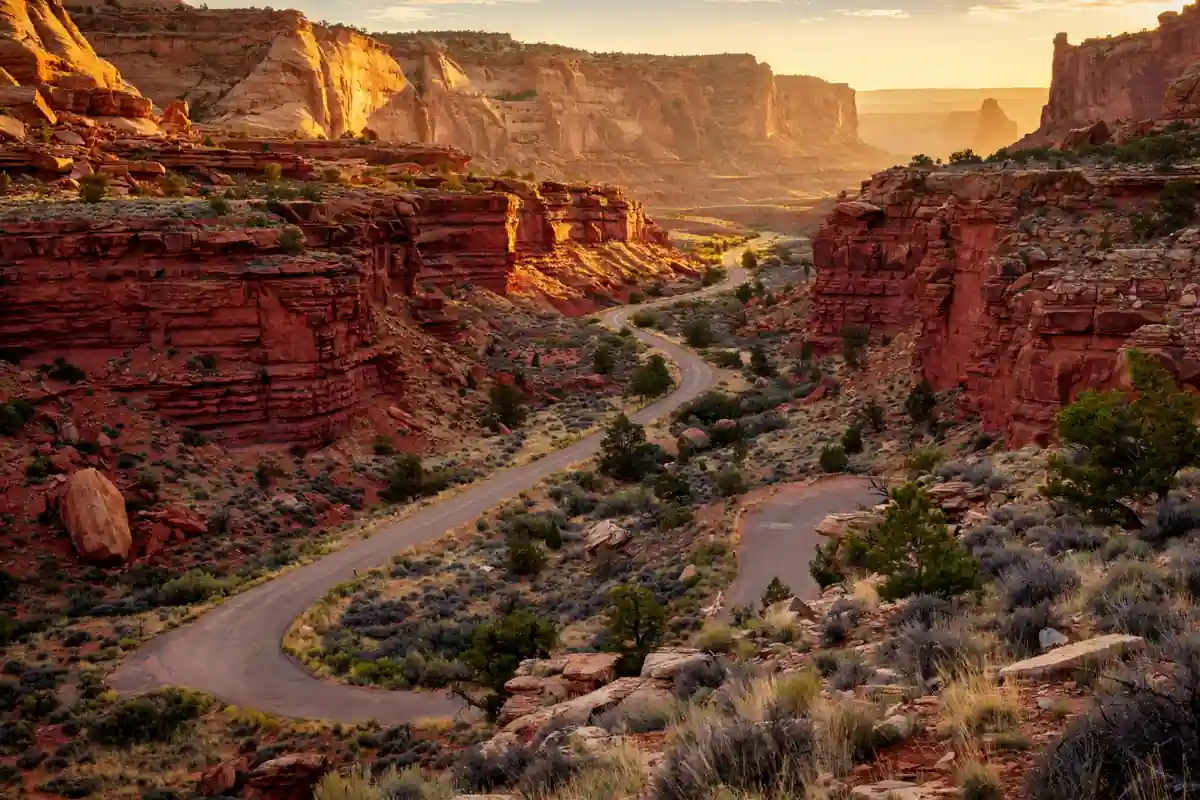
Capitol Reef National Park is the quiet surprise of Utah’s red rock country. While crowds pour into Zion and Arches, this long, narrow park along the Waterpocket Fold stays calm, open, and wonderfully uncrowded. You can drive a scenic road past towering sandstone domes, pick fruit in a historic orchard, and hike into a narrow canyon all in a single day. If you want the beauty of southern Utah without the traffic jams, Capitol Reef deserves a place at the top of your list.
This guide covers everything you need to plan a trip to Capitol Reef National Park: the best hikes, the scenic drive, where to stay, what it costs, and when to go. Whether you have one day or a full weekend, you will find a route here that fits your pace.
What Makes Capitol Reef National Park Special
Capitol Reef protects a 100-mile wrinkle in the earth’s crust called the Waterpocket Fold. Over millions of years, erosion carved this fold into domes, cliffs, canyons, and natural bridges. Early settlers named the white sandstone domes after the United States Capitol building, and the high rock barrier reminded them of a reef blocking the sea. That is how the park got its unusual name.
The park is also home to the historic Fruita district, where Mormon pioneers planted orchards in the late 1800s. Today, visitors can still pick cherries, apricots, peaches, pears, and apples in season. The old Gifford House sells fresh pies, and the one-room schoolhouse still stands along the road. Few national parks mix geology and living history this well.
Best Hikes in Capitol Reef National Park
Start with Hickman Bridge Trail, an easy 1.7-mile round trip to a graceful natural bridge. The trail climbs gently through desert washes and offers wide views of the surrounding cliffs. It is a perfect first hike, especially in the morning when the light turns the rock gold.
For a bigger challenge, try the Cassidy Arch Trail. This 3.4-mile round trip climbs about 670 feet to a stunning arch that you can walk across. The views from the top stretch across the Waterpocket Fold for miles. Bring plenty of water, because there is almost no shade on this trail.
Families love the Grand Wash Trail, a flat 4.4-mile round trip through a towering canyon. The walls rise hundreds of feet on both sides, and the walk feels both dramatic and easy. If you want a slot canyon experience, the short Sulphur Creek route and the Capitol Gorge Trail both deliver narrow passages and ancient petroglyphs carved into the rock walls.
Serious hikers should consider the Chimney Rock Loop or the strenuous climb to Navajo Knobs, which rewards you with a panoramic view over the entire park. Check conditions at the visitor center before you set out, because flash floods can make canyon trails dangerous after rain. For more ideas across the region, explore our guide to the best hikes in Arches National Park and compare desert trails before you choose.
Driving the Capitol Reef Scenic Drive
The 25-mile Scenic Drive starts near the visitor center and winds past the most famous formations in the park, including the Castle, Chimney Rock, and the Capitol Dome itself. The paved road is suitable for any car, and several pullouts let you stop for photos. Allow at least two hours, longer if you stop for short walks along the way.
From the end of the Scenic Drive, a short unpaved spur leads to Capitol Gorge, where you can see pioneer inscriptions and the Tanks, a series of water pockets carved into the rock. A high-clearance vehicle helps on some back roads, but the main drive needs nothing special. If you love road trips through red rock country, our Route 66 road trip guide and ultimate USA road trip planner will help you build a longer Utah itinerary.
When to Visit Capitol Reef National Park
Spring and fall are the best seasons for Capitol Reef. From March through May and September through November, daytime temperatures are mild, usually between 60 and 80 degrees Fahrenheit, and the orchards and cottonwood trees add color to the valley. Summer brings intense heat, often above 100 degrees, so hike early in the morning and carry extra water.
Winter is quiet and beautiful, with occasional snow dusting the red cliffs. Some roads may close after storms, but the main drive usually stays open. Fruit season runs from June through October, with different fruits ripening at different times. Check the park website for the current picking schedule before you visit.
Fees, Passes, and Practical Tips
Capitol Reef charges a vehicle entrance fee, and the America the Beautiful annual pass covers entry. The visitor center in Fruita is open daily and offers maps, ranger advice, and current trail conditions. There is no gas station inside the park, so fill up in Torrey before you enter.
Cell service is unreliable in much of the park, so download offline maps before you arrive. Bring more water than you think you need, wear sun protection, and never enter a narrow canyon when rain is forecast anywhere upstream. These simple steps keep a desert trip safe. New to desert camping? Read our camping for beginners guide and travel safety tips before you go.
Where to Stay Near Capitol Reef
The park campground at Fruita is the most convenient place to stay, with sites among the orchards and easy access to trails. It operates on a first-come, first-served basis for much of the year, so arrive early in busy seasons. The nearby town of Torrey offers hotels, cabins, restaurants, and a grocery store just a few minutes from the park entrance.
If you want more comfort, look at lodges in Torrey or the small town of Boulder to the south. Both make good bases for exploring the wider region, including the Grand Staircase-Escalante area. Book ahead in spring and fall, when rooms fill quickly.
One-Day and Two-Day Capitol Reef Itineraries
With one day, start at the visitor center, drive the Scenic Drive, hike Hickman Bridge, pick fruit in season, and finish with sunset at Panorama Point or Sunset Point. This route gives you geology, history, and great photos without rushing.
With two days, add Cassidy Arch and the Grand Wash on day two, then drive to Capitol Gorge in the afternoon. On your way out, stop at the petroglyph panels along Highway 24, where Fremont people carved figures into the rock more than a thousand years ago. This slower pace lets you enjoy the park the way it deserves.
Capitol Reef and Utah’s Other National Parks
Capitol Reef sits between Canyonlands and Bryce Canyon, which makes it an ideal stop on a Utah national parks tour. Many travelers pair it with Canyonlands National Park, Bryce Canyon hikes, and the best hikes in Zion National Park. Each park has a different character, and Capitol Reef is the one where you can slow down and breathe.
If you are planning a first trip to the Southwest, start with our list of the 25 best hiking trails in the USA and the Grand Canyon South Kaibab Trail guide to understand how desert hiking differs from mountain hiking. Capitol Reef is a gentler introduction, and that is exactly its charm.
Photography and Stargazing at Capitol Reef
Capitol Reef is an International Dark Sky Park, which means the night sky here is among the darkest in the United States. On a clear, moonless night, the Milky Way stretches overhead in full detail, and you can see thousands of stars with the naked eye. Bring a tripod if you want to photograph the stars, and give your eyes at least twenty minutes to adjust to the darkness before you look up.
For daytime photography, the best light comes early in the morning and late in the afternoon, when low sun turns the sandstone cliffs orange and red. Panorama Point and Sunset Point are both excellent at golden hour, while the narrow walls of Grand Wash photograph best in the middle of the day, when sunlight reaches the canyon floor. Take your time, look for reflections in the water pockets after rain, and frame the domes against the deep blue desert sky.
Remember to stay on marked trails while you photograph, and never climb on fragile rock formations or petroglyph panels. The desert landscape is delicate, and footprints off trail can last for years. Leave every viewpoint exactly as you found it, so the next visitor enjoys the same wild beauty.
Conclusion: Why Capitol Reef Belongs on Your List
Capitol Reef National Park rewards travelers who look beyond the famous names. You get towering cliffs, quiet trails, fresh pie, and star-filled skies, all without fighting for a parking space. Plan for spring or fall, hike early, drink plenty of water, and give yourself time to explore the Fruita orchards and the scenic drive. The park may be Utah’s least crowded treasure, but once you visit, it will not stay a secret in your own travel plans for long.