America was made for road trips. From coastal highways that cling to cliffs to mountain roads that climb above the clouds, the United States has more great scenic drives than any other country on Earth. The best scenic drives in the USA are not just ways to get somewhere: they are destinations in themselves, with viewpoints, hikes, small towns, and roadside diners along every mile.
This guide brings together the most beautiful scenic drives in America, with practical tips for planning your route, choosing the best season, and making the most of every stop. Whether you have a weekend or a month, these roads will show you the best of the country from behind the wheel.
Pacific Coast Highway, California
Highway 1 along the California coast is the most famous scenic drive in America, and it lives up to the hype. From San Francisco to Los Angeles, the road winds past Big Sur’s cliffs, sea lions on the beaches, redwood forests, and charming towns like Carmel and Cambria. Allow at least two days for the drive, and longer if you want to hike, surf, or explore the coast properly.
The best sections are between Monterey and San Simeon, where the road clings to cliffs above the Pacific Ocean. Stop at Bixby Bridge, Pfeiffer Beach, and McWay Falls, and watch for whales during migration season. Check road conditions before you go, because landslides sometimes close sections of the highway. For a full route plan, see our Pacific Coast Highway itinerary.
Blue Ridge Parkway, Virginia and North Carolina
The Blue Ridge Parkway runs 469 miles through the Appalachian Mountains, connecting Shenandoah National Park in Virginia with Great Smoky Mountains National Park in North Carolina. The road is free, with no commercial traffic, and it offers overlooks every few miles, hiking trails, and historic sites along the way.
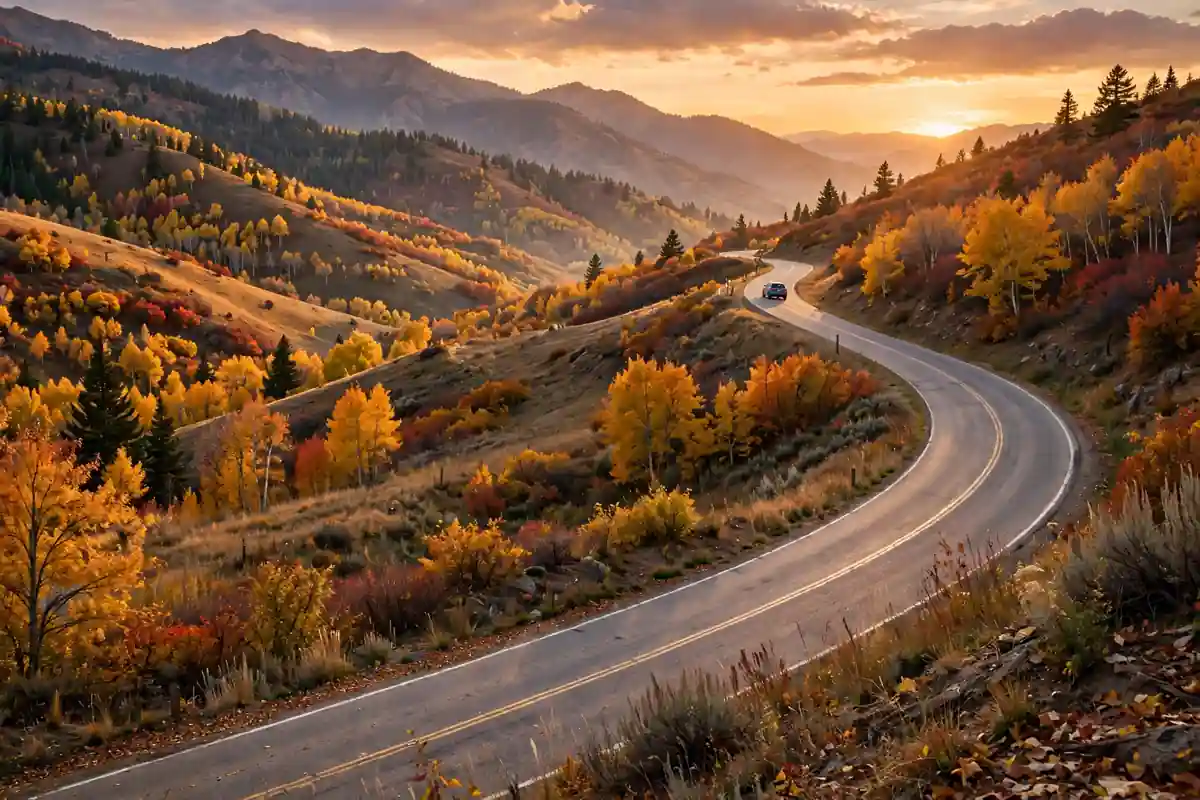
Fall is the most popular season, when the mountains turn red, orange, and gold, but spring and summer are also beautiful, with wildflowers and green forests. Allow at least three days to drive the full parkway, and stop at Mabry Mill, Linville Falls, and the many overlooks along the way. For fall planning, read our Blue Ridge Parkway fall guide.
Route 66: The Mother Road
Route 66 runs from Chicago to Los Angeles, and it remains the most iconic road trip in America. The original highway is gone in places, but the route survives as a patchwork of historic roads, diners, motels, gas stations, and roadside attractions. Driving Route 66 is a journey through American history, from the plains of Oklahoma to the deserts of Arizona.
Allow at least two weeks for the full route, or pick a favorite section for a shorter trip. The Arizona section, with the Grand Canyon nearby, is especially popular, as is the stretch through Texas and New Mexico. For detailed planning, see our Route 66 road trip guide and ultimate USA road trip planner.
Utah’s National Parks Loop
Utah’s scenic drives link five national parks in a loop that is hard to beat. From Zion’s red cliffs to Bryce Canyon’s hoodoos, Capitol Reef’s domes, Arches’ sandstone spans, and Canyonlands’ vast canyons, every day brings a new landscape. The drive between parks is part of the experience, with scenic byways like Highway 12, one of the most beautiful roads in America.
Plan at least a week for the Utah loop, and book lodging early in spring and fall. Hike the best hikes in Zion National Park, explore Arches National Park hikes, visit Canyonlands National Park, and walk among the hoodoos on the Bryce Canyon hikes. For a Grand Canyon detour, see our Grand Canyon South Kaibab Trail guide.
Going-to-the-Sun Road, Montana
Going-to-the-Sun Road crosses Glacier National Park in Montana, climbing over Logan Pass at 6,646 feet. The road is only open in summer, usually from late June to mid-September, and it offers some of the most dramatic mountain scenery in America, with glaciers, waterfalls, and alpine lakes along the way.
Book vehicle reservations in advance during peak season, and start early to avoid crowds. Hike from Logan Pass to Hidden Lake Overlook, stop at the Weeping Wall, and watch for mountain goats and bighorn sheep along the road. For hiking ideas, see our best hikes in Glacier National Park.
Overseas Highway, Florida Keys
The Overseas Highway runs 113 miles from Miami to Key West, crossing 42 bridges over turquoise water. The drive feels like floating on the ocean, with views of the Atlantic on one side and the Gulf of Mexico on the other. Stop at John Pennekamp Coral Reef State Park, the Seven Mile Bridge, and the small towns and seafood restaurants along the way.
The drive takes about four hours without stops, but allow a full day to enjoy the beaches, snorkeling, and fishing villages. Winter is the most popular season, with warm weather and clear skies, while summer brings heat, humidity, and afternoon storms.
Beartooth Highway, Montana and Wyoming
The Beartooth Highway climbs from Red Lodge, Montana, to the northeast entrance of Yellowstone National Park, crossing a high alpine plateau with 20 peaks above 12,000 feet. The road is open only in summer, and it offers switchbacks, alpine lakes, and views that rival any mountain road in the world.
Combine the Beartooth Highway with a visit to Yellowstone, and allow a full day for the drive and stops. The road is steep and winding, so drive carefully, check conditions, and fill up with gas before you start. For Yellowstone planning, see our Yellowstone 3-day itinerary.
How to Plan a Great Scenic Drive
Start by choosing a route that matches your time and interests. A weekend drive should be no more than 500 miles round trip, while a week-long trip can cover 1,500 miles comfortably. Build in time for stops, hikes, and meals, and avoid driving more than 300 miles in a single day if you want to enjoy the scenery.
Book lodging in advance in popular areas, especially in national parks and coastal towns. Pack a cooler with snacks and water, download offline maps, and carry a paper map as a backup. Check road conditions before you leave, especially in winter and in mountain areas, where closures are common.
Best Seasons for Scenic Drives in the USA
Spring is ideal for desert drives in Utah and Arizona, when temperatures are mild and wildflowers bloom. Summer is the season for mountain roads like Going-to-the-Sun and Beartooth, which are closed in winter. Fall is the best time for the Blue Ridge Parkway and New England, when foliage peaks, and winter is perfect for the Florida Keys and the desert Southwest.
No matter when you travel, check the weather forecast, pack layers, and be ready to change your plans if conditions change. Flexibility is the key to a great road trip, and some of the best discoveries happen when you take an unplanned detour.
Road Trip Safety and Packing Tips
Before a long drive, check your car’s tires, fluids, and brakes, and carry a spare tire, jumper cables, and an emergency kit. Take breaks every two hours, share driving duties on long days, and never drive when you are tired. Keep your phone charged, but do not use it while driving.
Pack light but smart: layers for changing weather, sun protection, a first-aid kit, snacks, water, and a camera. For photography help, see our travel photography tips for beginners. For more safety advice, read our travel safety tips.
Hidden Gems Along America’s Scenic Roads
Beyond the famous viewpoints, America’s scenic drives hide countless small treasures. Look for roadside diners serving pie in small towns, local farmers markets, historic gas stations, and tiny museums that tell the story of the road itself. These stops are often the moments travelers remember most, long after the big viewpoints fade.
Talk to locals at gas stations and cafes, and ask what they recommend nearby. A shopkeeper in a mountain town may point you to a waterfall that is not in any guidebook, and a park ranger may suggest a short trail with no crowds at all. The best road trips leave room for these surprises, so do not plan every hour. Leave gaps in your itinerary, follow a promising side road now and then, and let the journey surprise you.
Conclusion: Pick a Road and Go
The best scenic drives in the USA offer something for every traveler: coastal cliffs, mountain passes, desert canyons, and historic highways. You do not need to drive them all at once. Pick one road that excites you, plan your stops, pack your bags, and hit the road. The journey itself is the destination, and the memories you make along the way will last far longer than the miles you drive. Plan carefully, drive safely, stop often, and enjoy the freedom that only an American road trip can offer. Start with one road, take plenty of photographs, and let the open highway remind you why road trips remain America’s favorite way to travel.