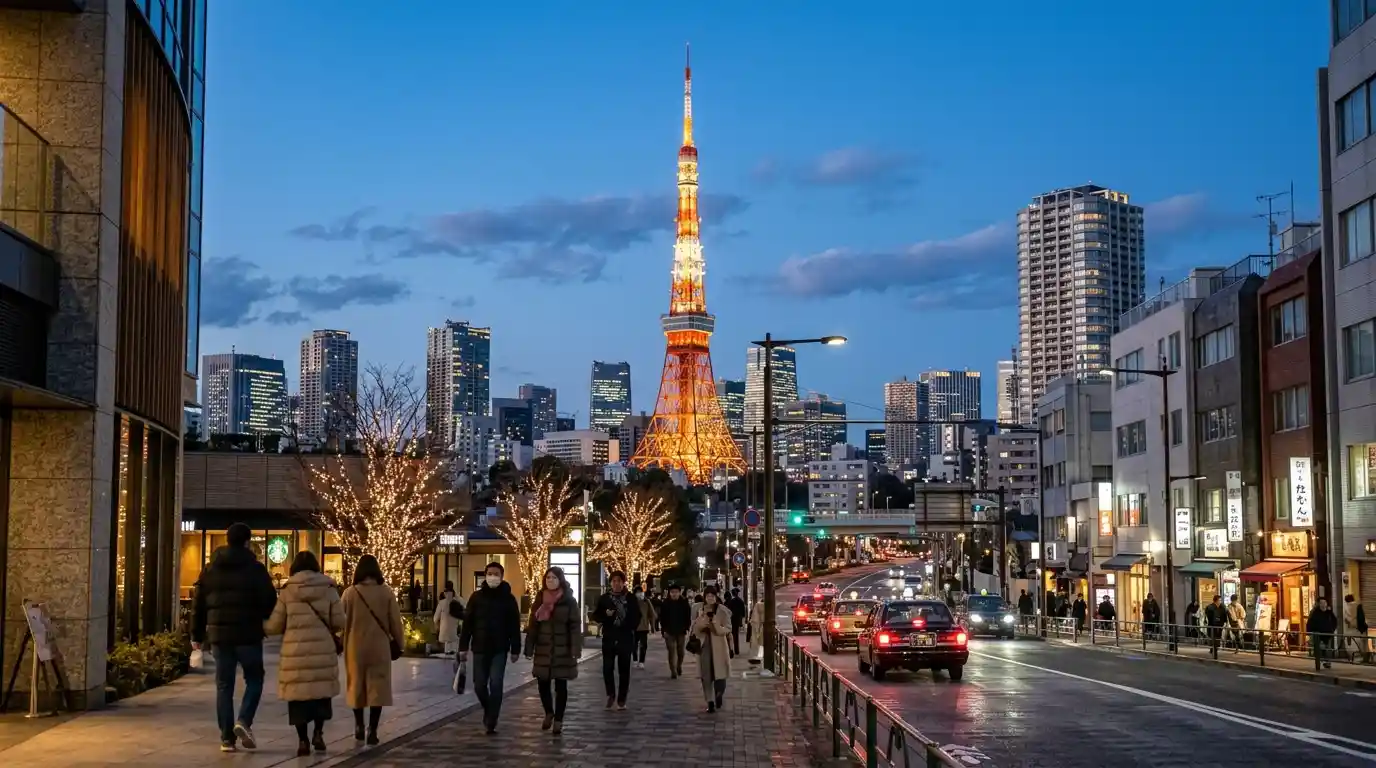
Whether you are planning a romantic getaway, a family holiday, or a first trip to Japan, choosing the right places to visit in Tokyo in winter will help you make the most of the season. This guide covers the city’s top attractions, winter activities, practical travel tips, and ideas for planning a memorable itinerary.
1. Tokyo Skytree: Enjoy Spectacular Winter Views
Tokyo Skytree is one of the city’s most recognizable landmarks and an excellent choice for winter sightseeing. Its observation decks offer sweeping views of Tokyo’s skyline, and clear winter days can sometimes provide distant views of Mount Fuji.
Visit during daylight for panoramic scenery or book an evening visit to see the city lights. The surrounding Tokyo Solamachi shopping and dining complex also makes it easy to warm up after enjoying the views.
Winter tip: Choose a clear day and check visibility before booking if distant mountain views are important to you.
2. Senso-ji Temple: Experience Traditional Tokyo
Located in Asakusa, Senso-ji is one of Tokyo’s most famous Buddhist temples. Its imposing entrance gate, traditional architecture, and lively Nakamise shopping street provide a memorable introduction to Japanese culture.
Winter is an appealing time to explore the temple grounds, particularly on crisp mornings. Visitors arriving around the New Year period may also encounter hatsumode, the traditional first shrine or temple visit of the year. Expect larger crowds during this important Japanese holiday.
Allow time to browse local shops, sample Japanese snacks, and photograph the historic streets surrounding the temple.
3. Shibuya Crossing: See Tokyo’s Energetic Side
Shibuya Crossing captures the movement and excitement of modern Tokyo. Thousands of pedestrians can cross the busy intersection during peak periods, creating a distinctive urban spectacle surrounded by enormous screens and shopping buildings.
Winter evenings are particularly atmospheric when illuminated signs stand out against the early darkness. For a wider view, consider an observation experience in the Shibuya area, subject to availability and weather conditions.
Shibuya is also a convenient place to explore cafés, department stores, restaurants, and fashion boutiques when temperatures fall.
4. Meiji Jingu Shrine: Find Calm Among the Trees
Meiji Jingu Shrine offers a peaceful contrast to Tokyo’s busy commercial districts. Surrounded by a large wooded area near Harajuku, the shrine provides a place to walk quietly, appreciate traditional architecture, and learn about Japanese religious customs.
January is an especially significant time to visit because many people come for hatsumode. The atmosphere can be memorable, although crowds and queues are common around New Year’s Day.
Dress warmly for the walk through the forested approach, and remember to behave respectfully during ceremonies and when photographing other visitors.
5. Shinjuku Gyoen National Garden: Enjoy a Winter Walk
Shinjuku Gyoen National Garden combines landscaped lawns, traditional Japanese garden elements, and spacious walking paths. Although winter is not the main cherry blossom season, the garden can still be rewarding for visitors who appreciate quiet scenery and seasonal changes.
On a clear day, explore the different garden areas, take photographs of winter plants, and enjoy a slower pace away from the surrounding business district. Some plants and early blossoms may appear depending on the weather and time of year.
Check seasonal opening arrangements before travelling, as garden access and operating hours may vary.
6. Marunouchi: Walk Through Winter Illuminations
Marunouchi, near Tokyo Station, is one of the best areas to experience Tokyo’s winter illuminations. During the festive season, trees along selected streets are decorated with lights that create an elegant atmosphere after sunset.
The area’s central location makes it convenient to combine a winter evening walk with shopping, dining, or a visit to Tokyo Station’s distinctive architecture.
Illumination schedules change each year, so confirm the dates before planning a special evening around the displays.
7. Roppongi Hills: Admire City Lights and Tokyo Tower
Roppongi Hills is another strong choice for winter evenings. Its shopping and dining options, urban viewpoints, and seasonal illumination displays make it suitable for couples, photographers, and visitors who enjoy modern city scenery.
Nearby illuminated streets can provide attractive views of Tokyo Tower, particularly after dusk. You can spend the evening taking photographs, exploring the surrounding district, and enjoying dinner in one of its many restaurants.
Because seasonal events have specific dates, check the current programme rather than assuming every display operates throughout winter.
8. Tokyo Tower: Capture a Classic Winter Night View
Tokyo Tower remains one of the city’s most recognizable sights. Its illuminated structure creates an appealing backdrop for evening photography, while its observation areas offer another perspective on the metropolitan skyline.
Visit after sunset to see the tower glowing above the surrounding buildings. You can combine the stop with nearby neighbourhood walks or an evening meal, depending on your schedule.
For photographers, a clear evening and a little planning can help you find a suitable angle without rushing between locations.
9. Ueno Park and Museums: Add Indoor Culture to Your Trip
Ueno is a useful destination for travellers who want to combine outdoor walks with indoor activities. Ueno Park contains cultural institutions, while nearby museums provide opportunities to explore Japanese history, art, science, and other subjects.
Winter weather can make a museum visit a welcome break from outdoor sightseeing. Choose exhibitions that interest you and check individual opening days, admission requirements, and special exhibition schedules before visiting.
Allow additional time if you plan to explore both the park and more than one museum in the same day.
10. Odaiba: Explore Waterfront Attractions
Odaiba offers a different perspective on Tokyo, with waterfront scenery, modern architecture, shopping complexes, and entertainment attractions. The area can be especially appealing around sunset, when the skyline and Rainbow Bridge create an attractive backdrop.
Some attractions are indoors, making Odaiba a practical option when the weather is too cold for a long outdoor walk. However, waterfront areas can feel windy, so bring an extra layer if you plan to spend time outside.
Check transport connections and opening hours in advance to make the most of your visit.
11. Tsukiji Outer Market: Warm Up with Japanese Food
Food is an essential part of a Tokyo winter itinerary, and Tsukiji Outer Market is a popular place to explore Japanese ingredients, seafood dishes, snacks, and local food culture.
Depending on the vendor, you may find sushi, grilled seafood, tamagoyaki, rice dishes, and other freshly prepared options. Walking through the market also gives you a chance to discover ingredients and flavours that may be unfamiliar.
Arrive earlier in the day for a more practical market visit, check individual business hours, and follow local guidance about where eating is permitted.
12. Yomiuriland: Enjoy Seasonal Winter Illuminations
For a winter outing beyond central Tokyo, Yomiuriland amusement park is known for its seasonal Jewellumination displays. Colourful lights across the park create a festive atmosphere, with rides and entertainment adding to the experience.
This attraction can work well for families, couples, and travellers who want to dedicate an evening to seasonal entertainment. Keep in mind that it is outside the central city, so allow time for the journey and check which rides and displays are operating.
Confirm the current season’s dates, ticket prices, and transport arrangements before setting out.
What Is Tokyo Weather Like in Winter?
Tokyo winters generally run from December through February. Conditions are often cold and relatively dry, with average temperatures commonly around 6–9°C across the season, although individual days and nighttime temperatures vary.
Snowfall in central Tokyo is possible but not guaranteed. Travellers should plan for chilly mornings, cold evenings, and occasional rain rather than expecting a snow-covered city throughout the season.
- December: Festive lights, seasonal decorations, and a lively atmosphere in many shopping districts.
- January: New Year traditions, temple visits, and opportunities to explore the city after the holiday period.
- February: Continued winter sightseeing, seasonal events, and the possibility of early plum blossoms.
What to Pack for Tokyo in Winter
Comfortable clothing makes a significant difference when exploring Tokyo on foot. Temperatures can feel lower after dark, especially in open areas and along the waterfront.
- A warm coat or insulated jacket.
- Layers such as sweaters and thermal tops.
- A scarf and gloves for cold evenings.
- Comfortable walking shoes with good grip.
- An umbrella or compact rain jacket.
- A portable phone charger for navigation and photography.
How to Plan a Tokyo Winter Itinerary
Grouping attractions by neighbourhood helps reduce travel time. For example, explore Senso-ji and the surrounding streets in Asakusa, combine Shibuya Crossing with Meiji Jingu, or pair Tokyo Station with the Marunouchi illuminations.
Reserve outdoor sightseeing for daylight hours when possible, then visit illuminated districts, restaurants, or indoor attractions in the evening. Check transport routes and seasonal schedules before travelling, particularly around New Year’s Day.
If you are extending your holiday, ThinkRove also has guides to places to visit in Japan for a honeymoon, winter destinations in Toronto, and winter attractions in Salt Lake City.
More Seasonal Travel Inspiration
Comparing destinations can help you decide how to organise future holidays around winter scenery, city sightseeing, and seasonal activities. Explore these additional ThinkRove travel guides when planning another trip:
- Best places to visit in Alberta in winter
- Cold places to visit around the world
- Places to visit in Arizona during winter
- Stockholm’s seasonal attractions
- Places to visit near Oslo, Norway
- Japan travel ideas for couples
- Munich attractions after dark
- Tokyo winter travel guide
- Plan a seasonal Tokyo sightseeing trip
- Places to explore in South West England
- Scenic places to visit in Phuket for couples
- Honeymoon destinations in Mauritius
- Places to visit in Sarajevo
- Madrid travel highlights
- London attractions for couples
- Top places to visit in Germany
Final Thoughts
Tokyo is a rewarding winter destination for travellers who enjoy city views, cultural landmarks, seasonal illuminations, Japanese food, and a mix of indoor and outdoor activities. From the historic streets of Asakusa to the bright districts of Shibuya and Marunouchi, the city offers plenty of ways to experience the colder months.Choose attractions that suit your interests, group nearby places together, dress for chilly evenings, and verify seasonal schedules before visiting. With a little preparation, you can build a memorable Tokyo winter itinerary without trying to see everything in a single day.
As you immerse yourself in the enchanting winter landscape of Tokyo, consider how the allure of Japan extends beyond the urban marvels of its capital. The diverse natural wonders found across the archipelago offer a striking contrast to the bustling city life. For those captivated by the raw beauty of nature, exploring destinations like Hawaii Volcanoes National Park provides a unique experience, where the earth’s geothermal forces shape the environment in real-time. Engaging with the dynamic landscapes and understanding the safety measures for witnessing lava flows can enhance your travel repertoire. To delve deeper into this extraordinary location, refer to the hawaii volcanoes national park guide, which outlines essential tips and must-see attractions for your next adventure.