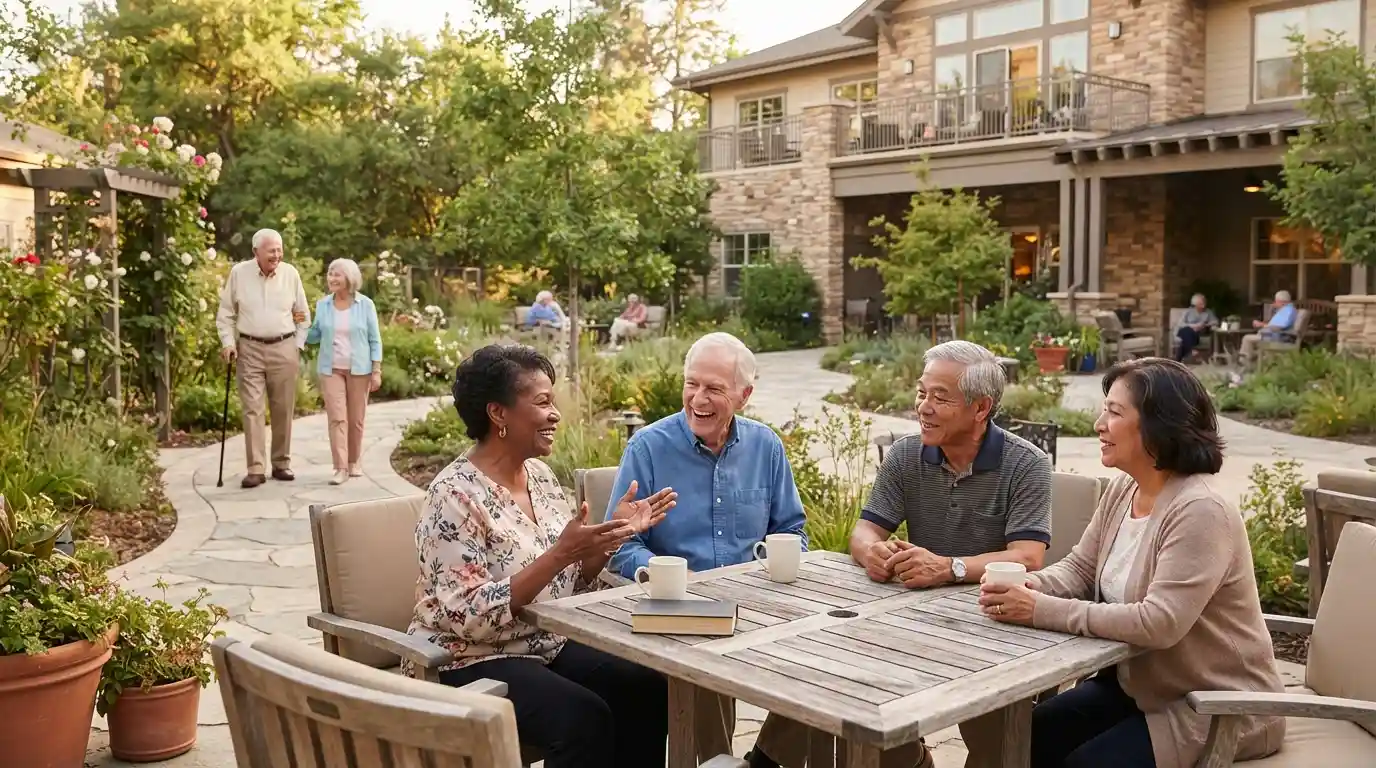
For families researching senior living options, understanding how an organization approaches community life, care, independence, and long-term support can make the decision process easier. Haverland Carter’s history and affiliated communities provide an example of how senior living can combine residential choices with services designed around changing needs.
What Is Haverland Carter Lifestyle Group?
Haverland Carter Lifestyle Group is a nonprofit organization associated with senior housing and retirement communities. Its work has included the management and support of senior living communities offering different levels of residential and care services.
The organization’s stated mission focuses on enhancing the well-being and quality of life of older adults through management services built around competency, compassion, and ethical behavior. That philosophy places the resident experience at the center of senior living rather than treating housing as simply a place to live.
This broader approach is important because older adults can have very different priorities. Some may want an active community with social and educational opportunities, while others may eventually need assisted living, memory support, or additional care.
A Senior Living Model Built Around Changing Needs
One of the defining features of modern senior living is flexibility. A person’s housing and support requirements can change over time, which is why many communities provide several levels of care within a connected environment.
Life plan communities can be particularly useful for people who want to plan ahead. Residents may begin with a more independent lifestyle and have access to additional services if their needs change later.
This type of planning can reduce the disruption that sometimes comes with moving from one type of care setting to another. It can also give families a clearer understanding of the options available as circumstances evolve.
Independent Living and an Active Lifestyle
Independent living is about more than having a private residence. For many older adults, the appeal is the opportunity to remain socially active while reducing some of the responsibilities associated with maintaining a traditional home.
A well-designed senior living environment can include dining, fitness, educational activities, social events, outdoor spaces, and opportunities for residents to develop new interests. These features can support a lifestyle that remains active and connected.
For readers interested in creating a comfortable home environment, interior hacks for compact homes can also provide practical ideas for making living spaces more functional.
Minimalism can be another useful approach when organizing a downsized residence. Our guide to the art of minimalist living explores ways to create a simpler and more intentional living environment.
Life Plan Communities and Long-Term Planning
Life plan communities are designed around the idea that residents should have access to different forms of support as their needs develop. This can make long-term planning an important part of choosing a retirement community.
Instead of focusing only on today’s requirements, prospective residents may consider questions such as how accessible future care will be, what services are available on campus, how transportation works, and whether the community supports social engagement.
Financial planning is equally important. Retirement housing can involve entrance fees, monthly charges, care costs, and other expenses depending on the community and contract structure. Families should carefully review the specific financial terms of any community before making a decision.
Assisted Living and Memory Support
Some older adults eventually need help with everyday activities while still benefiting from a community setting. Assisted living can provide support with selected daily tasks while allowing residents to maintain as much independence as practical.
Memory support is another specialized area of senior living. Communities serving people with cognitive impairment may provide structured routines, secure environments, personalized activities, and trained staff.
The availability and scope of these services can differ significantly between communities. Families should therefore evaluate each location individually instead of assuming that every community within a larger organization provides exactly the same services.
The Importance of Community in Senior Living
Social connection is an important consideration when evaluating senior housing. Retirement can create opportunities for people to spend more time on hobbies, friendships, education, travel, and community activities.
A strong community environment can encourage residents to participate rather than remain isolated. Shared dining spaces, clubs, classes, fitness programs, cultural activities, and outdoor gatherings can all contribute to a sense of belonging.
For families thinking about lifestyle after retirement, our interior ideas for cozy living can also help inspire comfortable personal spaces that complement a community-based lifestyle.
Wellness and Everyday Quality of Life
Senior wellness involves much more than medical care. Physical activity, nutrition, social interaction, mental stimulation, personal interests, and a sense of purpose can all contribute to everyday quality of life.
Fitness opportunities can help residents remain active according to their abilities. Educational activities can support lifelong learning, while social programs can make it easier to build friendships and maintain regular routines.
Families exploring broader wellness topics can also read about elevating everyday lifestyle experiences and ways intentional lifestyle choices can influence the home environment.
Why Location Matters When Choosing Senior Living
Location can have a major impact on the overall experience of senior living. Families often want a community that is accessible to children, relatives, medical providers, shopping areas, cultural attractions, and transportation options.
Haverland Carter’s affiliated communities have historically served residents in multiple locations, making it important for prospective residents to evaluate the specific community rather than relying only on the organization’s broader reputation.
Travel and accessibility can also influence how easily residents stay connected with family and friends. Readers planning regional or long-distance trips may find our guides to places to visit in New York State with family, Arizona winter destinations, and California during fall useful for inspiration.
How Families Can Evaluate a Senior Living Community
Choosing a senior living community should involve more than comparing photographs or amenities. Families should look closely at the actual services, care levels, costs, contract terms, staffing, activities, and living arrangements available at the specific location.
1. Review the Available Care Levels
Determine whether the community offers independent living, assisted living, memory support, skilled nursing, or other services relevant to the resident’s potential future needs.
2. Understand the Financial Structure
Ask for a detailed explanation of entrance fees, monthly fees, care charges, deposits, and other potential costs. Understanding the financial structure early can prevent unexpected surprises.
3. Visit the Community
A personal visit can reveal details that websites and brochures cannot. Observe common areas, dining spaces, outdoor areas, resident activities, cleanliness, accessibility, and the overall atmosphere.
4. Ask About Daily Activities
Find out what residents actually do throughout the week. A community with a broad selection of activities may be better suited to someone who wants an active and socially connected retirement lifestyle.
5. Consider Future Needs
Think beyond the first few years. Ask how the community handles changes in mobility, health, memory, or personal support requirements.
Creating a Comfortable Retirement Lifestyle
The best senior living experience is not determined by a single amenity. It is created by the combination of a suitable home, supportive services, social opportunities, personal independence, and access to appropriate care.
Residents may also benefit from continuing interests outside their immediate community. Travel, hobbies, education, volunteering, creative activities, and relationships can all contribute to a meaningful retirement.
For travel inspiration, readers can explore places to visit in Europe, family-friendly destinations in Los Angeles, San Diego attractions, and places to visit in Napa Valley.
The Role of Families in Senior Living Decisions
Family members often play an important role in researching senior living communities. However, the preferences and priorities of the future resident should remain central to the process whenever possible.
Open conversations can help families understand what matters most. One person may prioritize privacy, another may value social activities, while someone else may focus on healthcare access or financial predictability.
Creating a shared checklist can make community tours more productive. Families can compare the same categories across different locations and identify questions that need additional clarification.
Technology, Communication, and Modern Senior Living
Technology increasingly affects how residents communicate with family members, access information, manage appointments, and participate in activities. Digital tools can complement personal interaction, although they should not replace the human relationships that make community living meaningful.
For families interested in broader technology trends, our article on digital solutions for modern businesses provides additional context on how technology continues to shape everyday services.
What Makes Expert Guidance Valuable?
Senior living decisions can involve housing, finances, healthcare, lifestyle preferences, and family considerations at the same time. Expert guidance can help families organize those factors and ask more useful questions.
The goal should not simply be to select a community based on appearance. Instead, families should determine whether the services, environment, care options, location, and financial structure align with the resident’s current circumstances and potential future needs.
This approach makes the decision more deliberate and can help families avoid focusing too heavily on one feature while overlooking important long-term considerations.
Looking Beyond Housing to Quality of Life
Senior living is ultimately about how people live, not simply where they live. A successful retirement environment can give residents opportunities to remain active, maintain relationships, pursue interests, and receive support when they need it.
Organizations such as Haverland Carter Lifestyle Group illustrate the broader shift toward senior living models that combine residential environments with services and community-based support.
At the same time, every prospective resident should evaluate the specific community, contract, services, costs, and current operating structure before making a decision. Conditions and offerings can change, so current information should always be confirmed directly with the community.
Final Thoughts
Haverland Carter Lifestyle Group is associated with a senior living model that places emphasis on quality of life, community, independence, and access to different forms of support. For older adults and families researching retirement living, understanding these elements can make it easier to identify what matters most.
The right decision depends on individual circumstances. By reviewing care options, financial requirements, location, activities, accessibility, and future needs, families can approach senior living decisions with greater clarity and confidence.