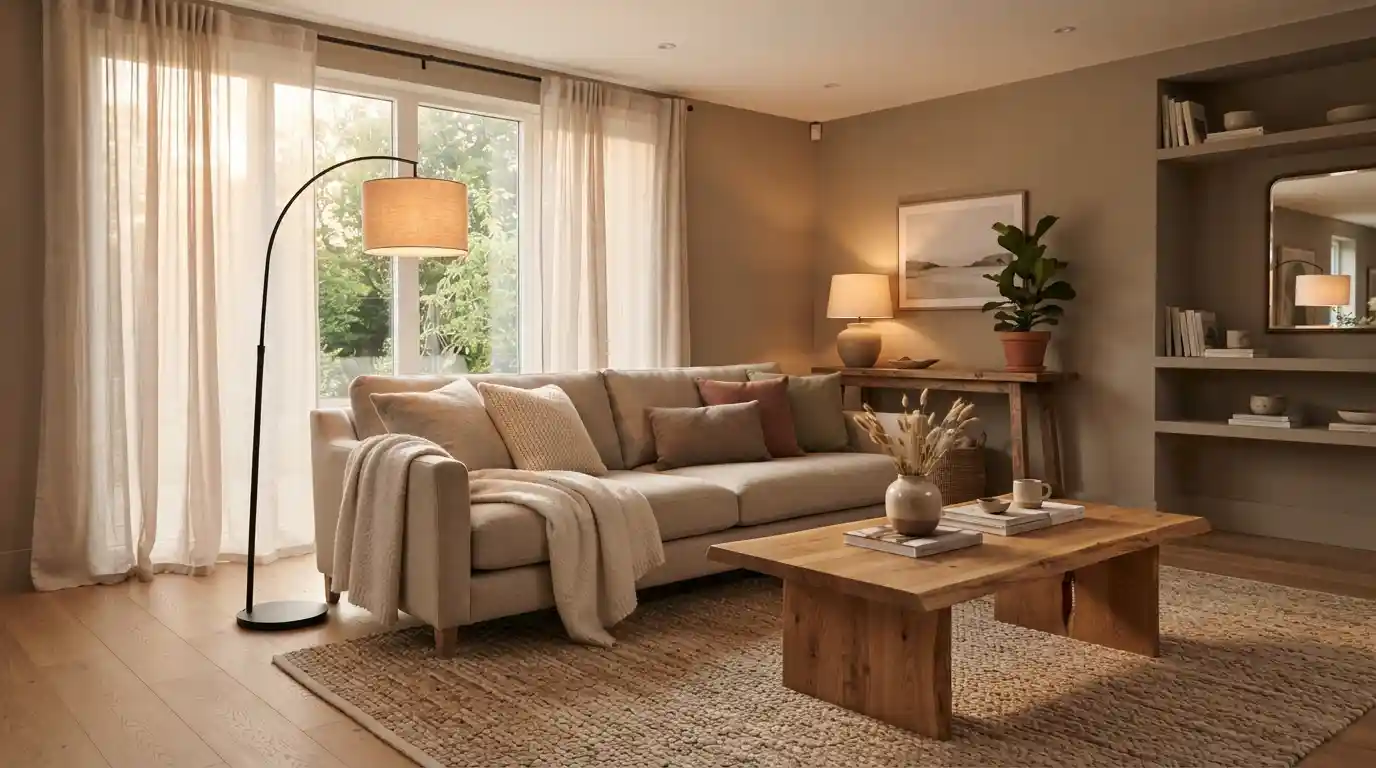
A cozy home does not require expensive furniture or a complete renovation. The right combination of warm lighting, comfortable textures, thoughtful furniture placement, natural materials, and personal details can make almost any room feel more welcoming. Whether you live in a compact apartment or a spacious house, these interior ideas for cozy living can help you create a space that feels comfortable, functional, and genuinely personal.
What Makes an Interior Feel Cozy?
Cozy interiors are usually defined by atmosphere rather than a specific decorating style. A room can be modern, minimalist, rustic, traditional, or eclectic and still feel warm and inviting. The key is creating visual and physical comfort through layers.
Soft fabrics, warm colors, diffused lighting, natural materials, comfortable seating, and meaningful accessories all contribute to a relaxed environment. Instead of filling every available surface, focus on choosing elements that make the room more pleasant to use.
If you prefer a less cluttered approach, the principles discussed in the art of minimalist living can help you create a cozy atmosphere without overcrowding your home.
1. Start With a Warm and Comfortable Color Palette
Color has a major influence on how a room feels. Warm neutrals such as cream, beige, taupe, warm white, caramel, clay, muted brown, and soft terracotta can make a space feel more relaxed than stark, cool shades.
You do not have to repaint an entire room to introduce warmth. Start with smaller elements such as cushions, curtains, rugs, artwork, blankets, or decorative accessories. Repeating a few complementary tones throughout the room creates a cohesive appearance.
For a more personal interior, combine neutral foundations with one or two deeper accent colors. A warm brown chair, olive-green cushion, rust-colored throw, or earthy ceramic vase can add visual depth without overwhelming the room.
2. Layer Different Textures
Texture is one of the easiest ways to make an interior feel cozy. A room filled with smooth, hard surfaces can appear visually cold, while a thoughtful combination of fabrics and natural materials creates depth.
Try combining linen curtains, cotton cushions, wool throws, woven baskets, a textured rug, and upholstered furniture. You can also introduce wood, rattan, cane, ceramic, or stone for additional contrast.
The goal is not to use as many textures as possible. Instead, select several materials that complement one another. A useful starting point is to combine something soft, something woven, something natural, and something visually substantial.
If your home has limited floor space, explore these interior hacks for compact homes to create comfort without making the room feel crowded.
3. Use Layered Lighting Instead of One Bright Source
Lighting can completely change the atmosphere of an interior. A single bright ceiling fixture may provide sufficient visibility, but it often does little to create a relaxing evening environment.
Instead, combine several types of lighting. Use ceiling lighting for general illumination, floor or table lamps for softer pools of light, and accent lighting to highlight artwork, shelves, plants, or architectural features.
Warm-toned bulbs can also help create a softer atmosphere. Position lamps at different heights so the room has visual depth rather than one uniform level of brightness.
For additional inspiration, see how advanced LED lighting can transform a living space while supporting different activities and moods.
4. Make the Sofa a Comfortable Focal Point
A cozy living room needs seating that encourages people to sit, relax, read, talk, or spend time together. The sofa is often the visual and functional center of the room, so comfort should be a priority.
Add a small collection of cushions in different but coordinated textures. Place a soft throw within easy reach rather than treating it as purely decorative. If space allows, add an accent chair or ottoman to create additional seating.
Avoid arranging every piece of furniture solely around a television. Positioning seating toward one another can create a stronger sense of conversation and connection.
5. Add an Area Rug for Warmth and Definition
An area rug can make a room feel warmer both visually and physically. It also helps define the seating zone, particularly in open-plan homes where one large area serves several purposes.
Choose a size that connects the major furniture pieces instead of using a rug that looks isolated in the center of the room. Natural fibers, subtle patterns, and soft neutral colors can work especially well in relaxed interiors.
In smaller rooms, avoid overly complicated patterns if the space already contains several visual elements. A simple textured rug can provide the softness you need without making the room feel busy.
6. Bring Natural Materials Indoors
Natural materials can add warmth and character to almost any decorating style. Wood furniture, woven baskets, rattan details, linen textiles, ceramic accessories, and stone surfaces can create a more grounded atmosphere.
You do not need to turn the room into a rustic retreat. Even a modern interior can benefit from one or two organic materials. A wooden coffee table, woven pendant shade, ceramic vase, or natural-fiber rug can soften an otherwise sleek space.
For a broader approach to comfortable home design, the ideas in crafting timeless homes with legacy and innovation provide another perspective on combining lasting materials with contemporary living.
7. Create a Dedicated Reading or Relaxation Corner
A cozy home should include at least one place designed specifically for slowing down. This could be a reading chair beside a window, a small corner with a floor lamp, or a comfortable bench with cushions.
You do not need a large room to create this zone. A comfortable chair, small side table, soft lamp, and blanket may be enough. Add a shelf or basket nearby for books and everyday items.
Creating a designated relaxation area also makes the room feel more intentional because every part of the space has a purpose.
8. Use Curtains to Soften the Room
Windows can dominate the visual appearance of a room, especially when they have hard frames and large areas of glass. Curtains introduce softness and can make the entire room feel more finished.
Linen, cotton, and other relaxed fabrics work well for casual interiors. If privacy is important, combine sheer curtains with heavier panels so you can control daylight and evening privacy.
Mounting curtains slightly higher and wider than the window frame can also create the impression of greater height and width, provided the proportions suit the room.
9. Add Greenery and Organic Details
Plants can introduce color, texture, and a connection to nature. Choose varieties that suit the amount of natural light available rather than selecting plants based solely on appearance.
If maintaining live plants is difficult, a small number of high-quality artificial plants can provide a similar visual effect. Woven planters, wooden stands, and ceramic pots can also become decorative elements themselves.
Outdoor maintenance can influence the overall feeling of a home as well. If you are considering broader property improvements, you can also explore home tree-service considerations when planning exterior greenery around the property.
10. Display Personal Items Instead of Generic Decor
The most inviting homes usually contain objects that tell a story. Books, photographs, artwork, travel souvenirs, handmade pieces, family heirlooms, and other meaningful objects can make an interior feel lived in.
Personalization does not mean filling every shelf. Select a few pieces that genuinely matter and give them enough space to stand out. A small collection of books beside a lamp or a favorite photograph above a console can add more character than a large collection of unrelated decorations.
This approach also complements the principles of transforming everyday living into a more personalized experience.
11. Keep Clutter Under Control
Comfort and clutter are not the same thing. Too many objects can make a room feel stressful rather than relaxing, particularly when surfaces and walkways become difficult to use.
Use attractive storage solutions such as baskets, closed cabinets, storage ottomans, and furniture with built-in compartments. Keep frequently used items accessible while storing less-used belongings out of sight.
Regular cleaning is equally important. A well-organized room is easier to maintain, and a clean environment allows furniture, textures, and decorative details to become the focus.
For additional home-maintenance inspiration, consider these home cleaning service ideas.
12. Choose Furniture That Fits the Room
Furniture proportions matter as much as furniture style. An oversized sofa may look impressive in a showroom but can overwhelm a compact living room. Conversely, too many small pieces can make a large room feel fragmented.
Measure the room before purchasing major furniture. Leave enough space for comfortable movement around tables, seating, doors, and storage areas.
In smaller spaces, multifunctional furniture can be particularly useful. Storage ottomans, nesting tables, sofa beds, and compact shelving can provide practical benefits without sacrificing comfort.
13. Introduce Soft, Warm Decorative Accents
Small decorative changes can have a significant effect when they support the overall atmosphere. Candles, ceramic vessels, woven baskets, framed artwork, books, cushions, and throws can add warmth without requiring structural changes.
Think of these pieces as the final layer rather than the foundation. First establish comfortable furniture, appropriate lighting, and a cohesive color palette. Then add decorative elements gradually.
The broader concept of creating an ultimate comfort palette can also inspire the selection of colors and tactile details for a more relaxing home.
14. Use Artwork to Give the Room Personality
Artwork can make a room feel finished while giving it a strong sense of identity. Choose pieces that complement the room’s palette but do not necessarily match every other element.
Large artwork can act as a focal point above a sofa or console, while a small gallery arrangement can work well on a larger wall. Frames can also introduce additional texture through wood, metal, or painted finishes.
The objective is not to make every wall look decorated. Leaving some empty wall space gives the room visual breathing room.
15. Think About the Whole Home, Not Just One Room
A cozy living room works best when it feels connected to the rest of the home. Repeating selected colors, materials, or design details throughout adjacent spaces can create a more cohesive experience.
For example, warm wood in the living room can be repeated through a hallway console. The same neutral tones can appear in bedroom textiles, while similar lighting temperatures can create continuity throughout the property.
For homeowners thinking about the relationship between lifestyle and property design, the potential of lifestyle-focused home design offers a useful complementary perspective.
16. Consider the Practical Side of Cozy Design
A beautiful interior still needs to work for everyday life. Consider how the room will be used before making major decorating decisions.
Homes with children or pets may benefit from washable upholstery and durable rugs. If you entertain frequently, prioritize flexible seating and accessible surfaces. If you work from home, create a clear distinction between relaxation and work zones.
Property-related planning can also influence interior decisions. Those preparing a home for sale may want to explore real-estate staging principles while still preserving a comfortable everyday environment.
17. Maintain the Home Around Your Interior
Interior comfort is easier to maintain when the wider property is cared for. Clean entrances, functional lighting, healthy landscaping, and well-maintained outdoor areas all contribute to the experience of arriving home.
Practical services such as home-watching services can be relevant for homeowners who spend extended periods away, while appropriate home insurance planning can address another aspect of property ownership.
These considerations may seem separate from interior design, but a comfortable home is ultimately a combination of atmosphere, functionality, maintenance, and personal lifestyle.
18. Create Cozy Spaces Without Overdecorating
One of the biggest mistakes in cozy interior design is assuming that more decoration automatically creates more comfort. In practice, too many patterns, accessories, colors, and furniture pieces can make a room feel visually noisy.
Instead, allow some areas to remain quiet. Pair a textured sofa with a simple coffee table, or combine patterned cushions with a relatively understated rug. Contrast helps individual elements stand out.
If you enjoy calm, uncluttered interiors, ideas from compact-home interior design and minimalist living can be adapted even when you have a larger property.
Final Thoughts on Interior Ideas for Cozy Living
Creating a cozy home is less about following one decorating trend and more about understanding how your space should feel and function. Warm lighting, comfortable furniture, layered textures, natural materials, practical storage, greenery, and personal objects can work together to create an inviting environment.
Start with the changes that make the biggest everyday difference. Improve the lighting, make seating more comfortable, introduce softer textures, and remove unnecessary clutter. Then build the design gradually with artwork, plants, accessories, and personal details.
The most successful cozy interiors do not look like they were assembled all at once. They feel collected, useful, personal, and comfortable enough to live in. By balancing style with practicality, you can create a home that looks welcoming while remaining genuinely enjoyable every day.