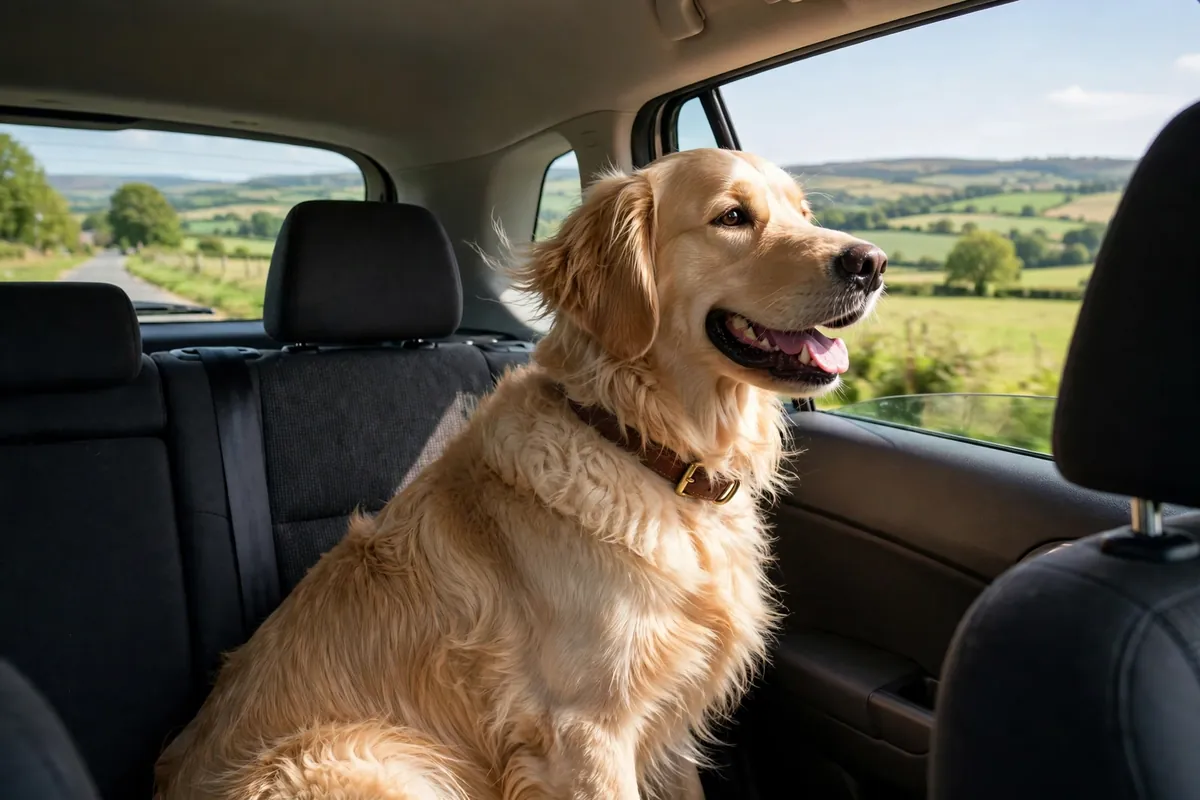
Learning how to travel with a dog turns a good trip into a great one. Dogs make road trips livelier, hikes happier, and hotel evenings cozier. The secret is preparation: a little planning around safety, comfort, and rules keeps tails wagging from the first mile to the last.
This guide covers both driving and flying with your dog. You will find what to do before you leave, how to keep your dog safe and calm in the car, what airlines generally require, and how to choose places that genuinely welcome four-legged guests.
Before You Go: Prep That Makes Travel With a Dog Easy
Start with a vet visit a few weeks before the trip. Confirm vaccinations are current, ask about motion sickness or anxiety options, and refill any medication. If you will fly or cross state lines for an extended stay, ask whether you need a health certificate; requirements vary, so a quick call now prevents a stressful surprise later.
Next, check your dog’s identification. A collar tag with your cell number is the baseline, and a microchip with up-to-date contact details is the backup that works when collars slip off. Also take a clear, recent photo of your dog on your phone. If you ever get separated, that photo speeds up every conversation with shelters and locals.
Finally, do a practice run. A dog that has only ridden to the vet may link the car with bad news, so take a few short, fun drives first. For flights, let your dog rest inside the travel carrier at home with treats until it feels like a safe den, not a trap.
Road Trips: How to Travel With a Dog by Car
The car is where most dogs travel best, because you control the pace. Secure your dog with a crash-tested harness, a secured crate, or a barrier in the cargo area. An unrestrained dog can be injured in a sudden stop and can distract the driver, so restraint is a safety rule, not a preference. Never let a dog ride with its head fully out the window, since flying debris can damage eyes and ears.
Plan breaks every two to three hours. Dogs need water, a bathroom stop, and a few minutes to stretch and sniff, which also burns off restless energy. Feed a light meal several hours before driving rather than right before, and keep the car comfortably cool. Most importantly, never leave your dog alone in a parked car in warm weather; interiors heat up far faster than most people expect, even with windows cracked.
If your route includes long scenic drives, build the itinerary around dog-friendly stops. Our Florida Keys road trip and Oregon Coast road trip guides highlight regions with plenty of outdoor dining and beach access, and the stops in our USA road trip planner pair well with pet-friendly planning. For bigger rigs and flexible lodging, the advice in our RV rental guide is worth a read too, since many campgrounds welcome dogs.
Calm Dogs Travel Better: Anxiety and Motion Sickness
Some dogs leap into the car happily, while others pant, drool, or shake. For anxious travelers, build positive associations slowly: sit in the parked car with treats, then take five-minute drives to somewhere fun, like a park or a drive-through that hands out dog treats. A tired dog is a calm dog, so a good walk or play session before departure helps on both car rides and flights.
Motion sickness is common in puppies and often fades with age, but it can affect adult dogs too. Keep the car cool, crack a window for fresh air, and let your dog face forward where possible. If sickness or anxiety stays severe, talk to your vet before the trip about safe options rather than guessing with human remedies. A familiar-smelling blanket and a favorite chew also work wonders for settling nervous passengers.
What to Pack for Your Dog
A dedicated dog bag keeps trips calm. Pack food for the whole trip plus a little extra, because switching foods suddenly can upset stomachs. Add a collapsible water bowl, bottled water, leash and backup leash, waste bags, familiar bedding, and a favorite toy that smells like home.
Include basic care items as well: any medication, a pet first-aid kit, paw balm for hot pavement or winter salt, and towels for muddy paws or surprise swims. Our carry-on packing list covers the human side of the bag, and using the same checklist habit for your dog means nothing essential gets left behind.
Flying With a Dog: What to Expect
Airlines set their own pet rules, and they change, so always confirm details on your airline’s website before booking. In general, small dogs that fit in an approved carrier under the seat can fly in the cabin on major US airlines for a per-flight fee, and space is limited, so reserve your dog’s spot when you book your own ticket. Larger dogs usually must fly in the cargo hold on airlines that still accept them, and some carriers restrict this during very hot or cold weather.
Choose direct flights when you can, and travel during the mildest part of the day if your dog will be in cargo. Feed lightly before the flight, exercise your dog well beforehand, and line the carrier with an absorbent pad. Put clear labels on the carrier with your phone number and destination. Because policies differ so much, treat any fee or weight limit you read online as a starting point and verify it directly, and use these cheap flight tips to offset the extra pet costs.
Hotels, Rentals, and Dining With Your Dog
Pet-friendly no longer means a sad room by the ice machine. Many hotel brands across the USA welcome dogs, though nightly pet fees and size limits are common, so read the fine print. Vacation rentals can be even better, offering yards and kitchens, but check rules on leaving dogs unattended. Wherever you stay, bring a blanket to protect furniture and keep your dog off beds unless the host clearly allows it.
For meals, look for restaurants with patios, breweries with outdoor seating, and coffee shops with walk-up windows. Many lake and beach towns cater to dogs with outdoor seating and even dog menus, which is one reason the towns in our guide to the best lake towns in the USA make such easy trips with pets. Likewise, many of the best beaches in the USA have designated dog beaches or off-season hours when leashed dogs are welcome.
Staying Safe and Polite on the Road
Good manners keep doors open for the next dog owner. Keep your dog leashed in public spaces unless an area is clearly marked off-leash, clean up every time, and respect wildlife rules in parks, where dogs are often limited to paved areas and campgrounds. The basics in our roundup of travel safety tips apply doubly when a pet’s safety rides on your decisions.
Watch the weather at your destination. Pavement can burn paws on hot afternoons, so walk early or late and test the surface with your hand. In cold or high-altitude areas, shorter-nosed and short-coated dogs may need extra protection. And wherever you roam, keep fresh water available; travel excitement makes dogs drink more than usual. Small towns often make the easiest first trips, and our list of the best small towns in the USA is full of walkable, dog-friendly main streets.
Puppies, Senior Dogs, and Traveling With More Than One Dog
Young puppies need extra planning. They tire quickly, need frequent bathroom breaks, and cannot be fully vaccinated until they are several months old, so ask your vet before any long trip. Senior dogs can be wonderful travelers, but they need softer bedding, more stretching stops, and easy access in and out of the car — a small ramp can make a real difference for arthritic joints.
Traveling with two dogs multiplies everything: double the restraints, double the supplies, and sometimes double the hotel pet fee. Walk them separately in busy areas if they wind each other up, and confirm that your lodging accepts more than one pet, since some properties do not. Extra effort aside, dogs clearly relax when their buddy comes along, and watching them discover a beach or a mountain trail together is worth every extra bag.
Frequently Asked Questions
Can my dog fly in the cabin with me?
Usually yes, if your dog is small enough to stay in an approved carrier that fits under the seat and your airline allows pets on that route. Book early, because airlines cap the number of pets per flight.
How often should I stop when driving with a dog?
Every two to three hours works well for most dogs. Puppies, seniors, and nervous travelers may need more frequent breaks for water and a short walk.
Should I consider travel insurance when traveling with a dog?
It can help with your own trip costs if plans change, and some travelers also look at pet insurance for emergencies away from home. Our travel insurance guide explains what standard policies typically cover.
The Bottom Line
Once you know how to travel with a dog, the routine becomes second nature: prep early, secure your dog in the car, verify airline rules before flying, and choose stays that welcome pets. Do those things, and your dog stops being a travel complication and becomes the best part of the trip.