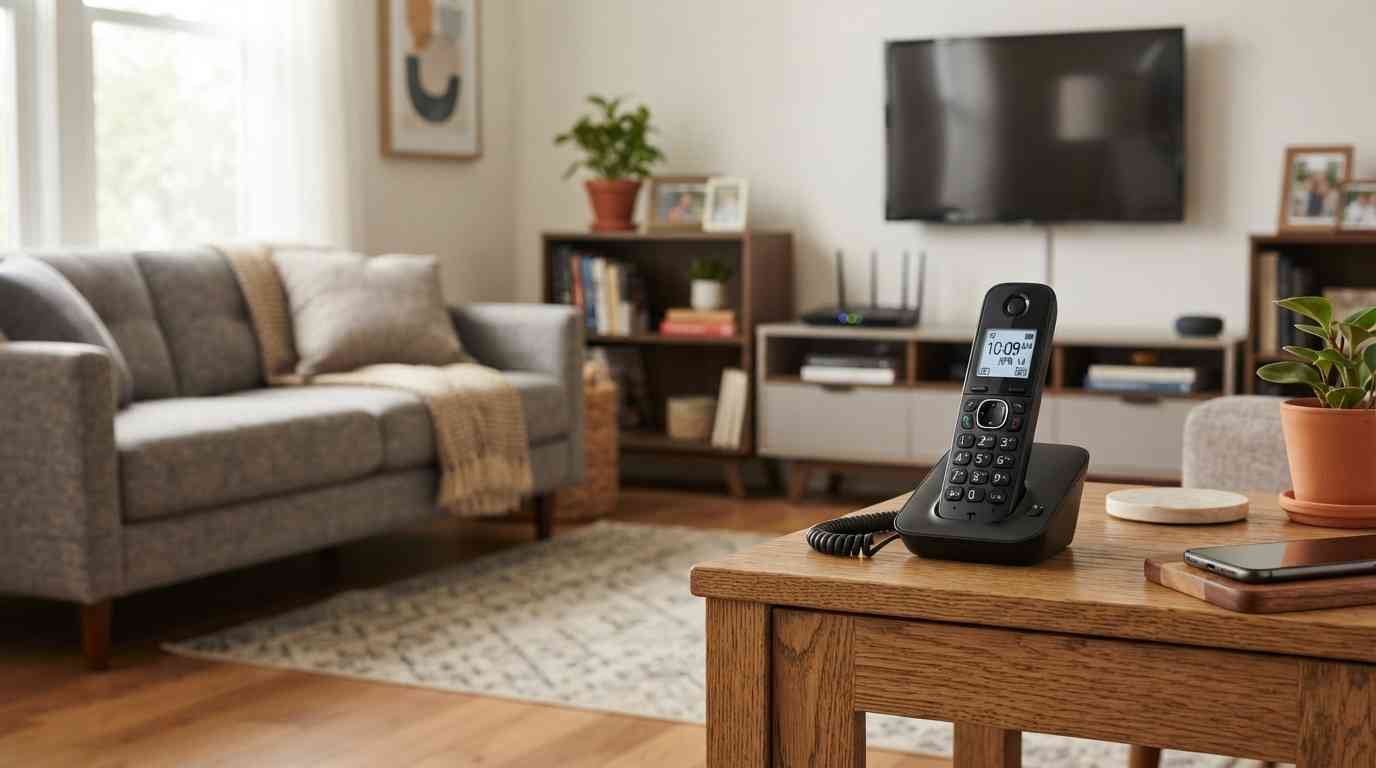
Before choosing any home phone service, however, it is important to understand how the service works, what features matter, what costs may apply, and whether it fits your household’s communication needs. This guide explains the key considerations surrounding Windstream home phone service and how to evaluate it alongside other home connectivity options.
What Is Windstream Home Phone Service?
Windstream home phone service is designed to provide residential customers with telephone connectivity for everyday voice communication. A dedicated home phone can be useful for families that prefer having a shared household number rather than depending exclusively on individual mobile phones.
Home phone service can also complement a broader connected-home setup. Modern households increasingly depend on internet-connected devices, communication platforms, streaming services, and smart-home equipment. Understanding how these services work together can help homeowners make more practical decisions about their overall connectivity.
For readers interested in broader home technology, related topics such as smart living and advanced LED lighting show how connected technology is becoming part of everyday home environments.
Why Consider a Dedicated Home Phone?
Mobile phones are convenient, but a dedicated home number can still serve a useful purpose. A household phone gives family members access to one shared contact number and can make communication easier for children, older adults, guests, or anyone who does not regularly use a personal smartphone.
A home phone can also provide a simple communication option without requiring every member of the household to maintain a separate mobile device. For families managing several household services, keeping communication organized can be just as important as choosing the latest technology.
Key Benefits of Home Phone Service
1. A Dedicated Household Number
One of the most straightforward advantages is having a number specifically associated with the home. Instead of giving callers several mobile numbers, households can provide one central contact number for family-related communication.
2. Familiar Calling Experience
Traditional-style home calling can be easier for people who prefer a physical handset and simple dialing. This can be particularly useful in households where not everyone wants to manage calls through smartphone applications.
3. Useful for Families
A shared home number can make it easier for children and other family members to receive calls. It can also provide a convenient contact point for relatives, schools, service providers, and other organizations.
4. Integration With Home Connectivity
Telephone service is increasingly part of a larger communications environment that can include broadband internet, Wi-Fi, connected devices, and digital security tools. Understanding your overall setup is therefore important when evaluating a phone plan.
If you are also exploring technology-related topics, Thinkrove’s article about digital solutions for modern businesses provides additional context on how technology continues to change communication and everyday operations.
Windstream Home Phone Service and Internet Connectivity
Many modern residential communication services are connected to a broader internet infrastructure. This means homeowners should consider their internet connection, equipment, power availability, and other network requirements when evaluating a phone service.
This is especially important for households that depend heavily on online services. Internet connectivity can support work, education, entertainment, communication, and smart-home devices simultaneously.
For example, homes with multiple connected devices may benefit from understanding how network infrastructure affects everyday performance. Topics involving modern technology systems can help illustrate why reliable infrastructure matters beyond basic web browsing.
Reliability: What Should Homeowners Look For?
Reliability is one of the most important considerations when choosing any communication service. A home phone should be evaluated based on service availability, local infrastructure, equipment requirements, installation conditions, and the provider’s support process.
It is also important to remember that no communication service should be assumed to work identically in every location. Availability and technical requirements can vary by address, network type, and the services offered in a particular area.
Homeowners should therefore check current availability and service terms for their specific address before making a decision.
Affordability and Total Cost
Price is another major factor. The advertised monthly service price is not always the complete cost of maintaining a home communication setup. Customers should consider installation charges, equipment costs, taxes, fees, bundled-service pricing, promotional periods, and any changes that may apply after an introductory offer ends.
A useful way to compare plans is to calculate the expected total monthly cost rather than focusing only on the headline price. This makes it easier to compare a dedicated home phone with alternatives such as mobile-only communication or bundled connectivity.
Households interested in broader financial decision-making can also explore topics such as financial planning and coordination when evaluating recurring household expenses.
Security and Privacy Considerations
Security is an important part of any modern communication setup. A phone service should be considered alongside the security of the broader home network, connected devices, accounts, and personal information.
Households using internet-connected services should maintain strong account passwords, keep supported equipment updated, and understand what information their provider collects and how account access is protected.
Connected-home security can also extend beyond telephone communication. Windstream has offered home-oriented security technologies as part of its broader connected-services ecosystem, demonstrating how communications and home technology increasingly overlap.
For a broader look at protecting a property, you can also read about home watching services and home insurance services.
Who Can Benefit From a Home Phone?
A dedicated home phone may make sense for several types of households.
- Families: A shared number can make household communication easier to manage.
- Older adults: Some people prefer a conventional handset rather than relying entirely on a smartphone.
- Home-based workers: A separate household number can help distinguish personal and professional communication.
- Households with children: A shared number can provide an accessible way for children to receive calls.
- People who value simplicity: A dedicated telephone can offer a straightforward alternative to app-based calling.
Homeowners also have many other property-related services to consider. For example, professional property maintenance can be another part of managing a home effectively.
Home Phone vs. Mobile Phone
The choice between a home phone and mobile-only communication depends largely on how a household communicates.
A mobile phone provides portability and individual access, while a home phone provides a shared household communication point. Some households may prefer one option, while others may find that using both creates greater convenience.
There is no universal answer because communication habits differ from one household to another. Consider who needs access to the phone, where calls are normally made, how important portability is, and what other services are already included in your connectivity package.
Home Phone vs. Internet-Based Calling
Internet-based calling has become another common alternative. These services can use broadband connections and applications instead of traditional telephone infrastructure.
However, internet-based calling can depend on internet connectivity, compatible equipment, application availability, and other technical factors. A homeowner comparing options should therefore consider the complete setup rather than comparing monthly prices alone.
Households interested in technology trends can also explore technology developments and digital trends to better understand the wider environment in which modern communication services operate.
What to Check Before Signing Up
Before ordering Windstream home phone service or another residential phone plan, review the following points:
- Confirm service availability at your exact address.
- Review the current monthly price and any promotional pricing.
- Check whether equipment is required.
- Ask about installation charges and other one-time costs.
- Review calling features included with the plan.
- Understand taxes, regulatory fees, and other charges.
- Check the terms that apply after promotional pricing expires.
- Ask how outages and technical problems are handled.
- Understand whether phone service depends on internet connectivity or electrical power.
- Compare the total cost with mobile and internet-based alternatives.
How Home Connectivity Fits Into Modern Living
The modern home is increasingly connected. Internet access, phones, entertainment systems, smart lighting, security equipment, and other devices can all become part of one household technology environment.
This makes it useful to think about communication services as part of the complete home rather than as an isolated product. For example, homeowners interested in improving their living environment can explore interior ideas for compact homes, cozy living ideas, and minimalist living principles while considering how technology fits into their space.
Other household considerations, such as home cleaning services and property maintenance, can also be viewed as part of an overall approach to making a home comfortable, functional, and manageable.
Is Windstream Home Phone Service Right for Your Home?
Windstream home phone service may be worth considering if your household values a dedicated telephone number, straightforward calling, and a communication setup that complements other residential connectivity services.
The most important step is to evaluate your specific needs rather than choosing a service simply because it is familiar. Check current availability, pricing, equipment requirements, calling features, and service conditions for your location before signing up.
If your household already uses multiple connected technologies, think about how a phone service fits into your existing setup. A practical combination of communication, internet connectivity, security, and home technology can make everyday household management more convenient.
Final Thoughts
A home phone may seem less essential than it once did, but it can still provide value for households that want a shared and familiar communication option. Windstream’s position in residential connectivity makes its phone service relevant to people evaluating traditional home communication alongside modern internet and connected-home services.
The right choice ultimately depends on your household’s communication habits, budget, location, and existing services. Compare the complete cost and features, verify availability, and consider whether a dedicated home number provides enough practical value for your family.