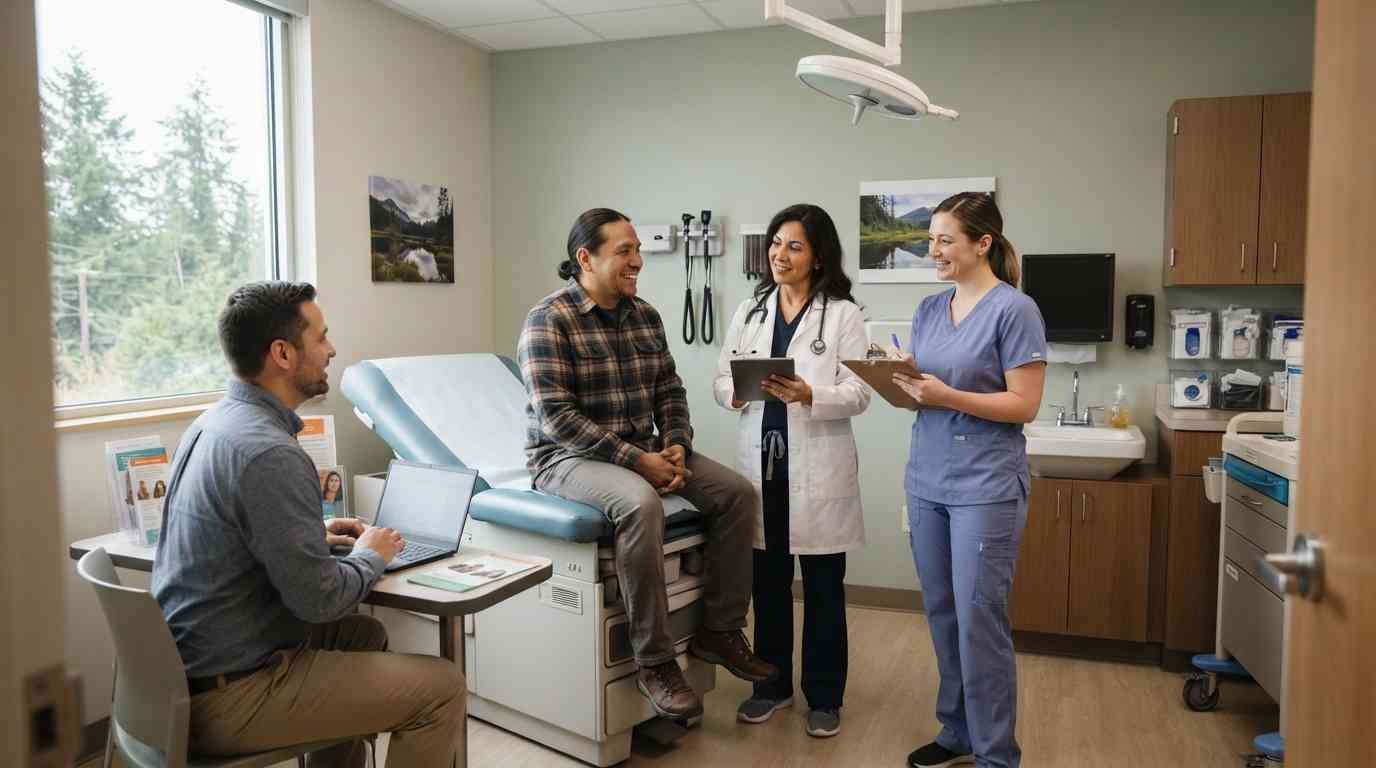
Rather than treating healthcare as a single appointment or isolated service, the center provides access to different types of care that can support people throughout various stages of life. This broader approach makes the Lummi Tribal Health Center an important part of the community’s overall health and wellness infrastructure.
What Is the Lummi Tribal Health Center?
The Lummi Tribal Health Center is a community-focused healthcare organization serving the Lummi people and other eligible American Indian and Alaska Native patients. Its services cover multiple areas of healthcare, allowing patients to access medical, preventive, behavioral, dental, and supportive services.
The center’s approach reflects the importance of accessible healthcare within a community. Primary care can help people manage everyday health concerns, while specialized services and support programs can address other physical, behavioral, and social needs.
For readers interested in broader healthcare topics, our coverage of healthcare career opportunities provides additional context about the wider healthcare sector.
Comprehensive Medical Care
Primary care is one of the central components of the Lummi Tribal Health Center. Medical services can address routine healthcare needs, preventive care, chronic conditions, wellness visits, screenings, immunizations, and other concerns.
A coordinated primary-care model can also make it easier for patients to discuss different health concerns with a care team. Depending on the situation, patients may receive support from medical providers, nurses, care navigators, behavioral health professionals, pharmacists, laboratory staff, and other healthcare personnel.
This multidisciplinary approach is particularly useful when a person’s health needs involve more than one area of care.
Behavioral Health and Emotional Wellness
Physical health is only one part of overall wellness. Behavioral and mental health services can provide additional support for people dealing with emotional challenges, life changes, stress, or other concerns.
The center also has clinical social work resources that can help connect patients with appropriate services and coordinate care. Support may involve counseling resources, care navigation, behavioral health services, and assistance with broader social needs.
Readers exploring related wellness subjects can also learn more through our article about wellness and modern living.
Dental Services
Oral health is another important part of comprehensive healthcare. Dental services can help patients address preventive care as well as dental problems that require professional treatment.
Integrating dental care into a broader healthcare environment can help reinforce the connection between oral health and overall wellbeing. Regular dental attention can also help identify problems before they become more difficult to manage.
Healthcare professionals and organizations depend on specialized equipment, facilities, and staff to deliver these services. Our article about healthcare apparel and medical professionals explores another practical aspect of the healthcare environment.
Pediatric and Family Healthcare
Healthcare needs change as people move through different stages of life. Pediatric services can provide medical support for children and young people, while family-focused primary care can help adults manage their own healthcare needs.
The Lummi Tribal Health Center also has a school-based health program connected with Lummi Nation School. This model helps make certain medical and dental services more accessible to eligible students while supporting health education and care coordination.
Families looking at healthcare from a broader community perspective may also find our coverage of adult education and community development useful.
Pharmacy, Laboratory, and Diagnostic Support
Healthcare often requires more than a consultation with a primary-care provider. Pharmacy, laboratory, and diagnostic services can play an important role in helping care teams evaluate health concerns and manage treatment.
The Lummi Tribal Health Center provides pharmacy services along with laboratory and imaging capabilities. Having supporting services available within the healthcare system can help streamline parts of the patient-care process.
Diagnostic imaging is an important part of modern healthcare because certain conditions require information that cannot be obtained through a physical examination alone. For a related look at medical imaging services, see American Health Imaging.
Physical Therapy and Rehabilitation
Physical therapy can support people working to improve movement, mobility, strength, or physical function. Rehabilitation services may be useful following injuries, medical conditions, or other circumstances that affect everyday movement.
Community-based physical therapy also fits within a broader healthcare model because recovery can require continued support rather than a single medical visit.
For another perspective on rehabilitation and recovery services, explore our article about health and rehabilitation services.
Preventive Care and Wellness
Preventive healthcare focuses on maintaining health and identifying potential concerns before they become more serious. Wellness examinations, screenings, immunizations, health education, and chronic disease management can all contribute to long-term health planning.
Preventive care is particularly valuable because healthcare needs are not always limited to treating an immediate illness. Regular interaction with healthcare professionals can help patients better understand their health goals and available resources.
Wellness can also involve lifestyle choices, access to appropriate resources, and support outside the traditional clinical setting. Our coverage of healthy and comfortable living concepts provides a broader lifestyle perspective.
Community-Centered Healthcare
One of the defining features of a tribal health center is its connection to the community it serves. Healthcare can become more meaningful when services are designed around the needs, circumstances, and cultural context of the people using them.
The Lummi Tribal Health Center combines clinical services with care coordination, social work, public health, and other community-oriented resources. This can help patients navigate healthcare while addressing practical barriers that may affect wellbeing.
Community health also depends on access to reliable information. Our article about nonprofit organizations and community services offers another perspective on organizations that contribute to community needs.
Healthcare Access and Care Coordination
Access to healthcare involves more than having a medical facility nearby. Patients may need appointments, referrals, transportation, pharmacy support, follow-up care, or assistance understanding available services.
Care coordination can help connect these different parts of the healthcare experience. Social workers, care navigators, primary-care providers, and other team members can help patients understand what resources may be available for their individual circumstances.
Insurance and healthcare costs can also affect access. Readers interested in the wider insurance landscape can explore insurance coverage and protection, insurance services, and insurance agency services.
Health Information and Patient Support
Modern healthcare increasingly depends on convenient communication between patients and care teams. Patient portals and digital communication can make it easier to review information, communicate about non-urgent questions, and stay connected with providers.
However, digital healthcare tools are generally intended to complement—not replace—appropriate medical care. Urgent or emergency concerns should always be handled through the appropriate emergency or clinical service.
Technology is becoming increasingly important throughout healthcare, from patient communication to diagnostic systems. Our article on electroneurodiagnostic technology explores one example of specialized healthcare technology.
Why Community Health Centers Matter
Community healthcare organizations can provide a foundation for preventive care, treatment, education, and long-term wellness. When multiple services are connected within one healthcare environment, patients may have more opportunities to receive coordinated support.
The Lummi Tribal Health Center represents this broader model by bringing together medical care, dental services, behavioral health, physical therapy, pharmacy, public health, social work, and other resources.
Healthcare also intersects with financial planning, insurance, technology, employment, and community infrastructure. Readers can explore related topics through our articles on healthcare costs, health supplements and cognitive wellness, and cognitive health and wellness.
Final Thoughts
The Lummi Tribal Health Center provides a broad range of healthcare and wellness resources designed around community needs. Its combination of primary care, pediatric services, dental care, behavioral health, physical therapy, pharmacy, public health, social work, and diagnostic support illustrates how comprehensive healthcare can extend beyond treating individual illnesses.
For people seeking information about the center, available services, appointments, eligibility, and current procedures, it is important to consult the healthcare center directly because services, schedules, and requirements can change.