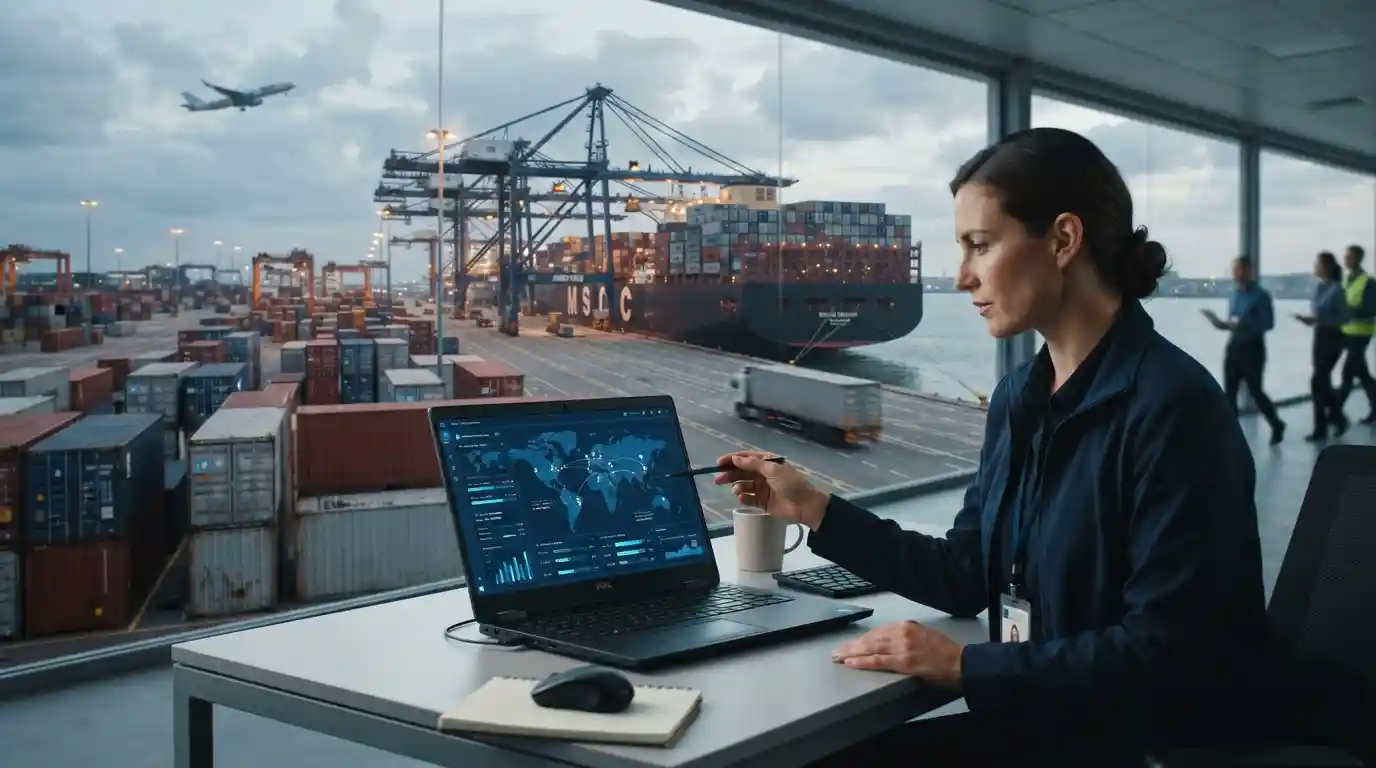
Whether you are monitoring air freight, sea freight, road transportation, or a cross-border e-commerce shipment, tracking can help businesses understand shipment status, anticipate delivery milestones, and coordinate the next stage of their supply chain.
This guide explains how Hellmann tracking works, which shipment identifiers may be used, what different tracking information can mean, and how shipment visibility fits into broader global logistics management.
What Is Hellmann Worldwide Logistics Tracking?
Hellmann Worldwide Logistics tracking is the shipment-visibility process used to monitor cargo as it moves through the logistics network. Depending on the transportation method, customers may use different shipment references to retrieve tracking information.
The company’s Track & Trace service supports several identification methods, including shipment numbers, package or NVE numbers for road transportation, AWB numbers for air freight, and BL numbers for sea freight.
This makes tracking particularly useful for companies handling multiple transportation modes. Instead of relying only on delivery estimates, businesses can use available shipment information to understand where a consignment is within its transportation journey.
How to Track a Hellmann Shipment
Tracking a shipment generally starts with locating the correct reference number associated with the consignment. The reference should match the transportation mode and shipment information provided by the logistics provider or shipping documentation.
1. Locate Your Shipment Number
Start by checking your shipping confirmation, transport documentation, order records, or communication from the logistics team. The appropriate identifier may vary depending on the shipment.
For example, air freight may use an AWB number, while sea freight may be associated with a BL number. Road shipments can use shipment or package-related references.
2. Open the Hellmann Track & Trace Service
Enter the relevant tracking information into the available tracking system. Using the correct reference is important because an incorrect or incomplete number may not return the expected shipment information.
3. Review the Shipment Status
Once the shipment is identified, review the available status information and shipment milestones. Depending on the service and shipment, the available information may include transportation progress, shipment events, documents, and other relevant logistics details.
4. Compare the Status With Your Expected Timeline
Tracking becomes more useful when shipment events are compared with the expected transportation schedule. Businesses can use this information to coordinate warehouse operations, inventory planning, customer communication, and receiving activities.
What Tracking Information Can You See?
The exact information available can vary according to the shipment, service, transportation mode, and digital tools being used. Modern logistics visibility can provide much more than a simple location update.
Shipment visibility may include information related to transportation milestones, estimated arrival timing, shipment documents, and other operational details. For companies managing complex supply chains, this broader visibility can make it easier to identify potential delays and coordinate follow-up actions.
Businesses interested in wider logistics operations can also explore related topics such as logistics park supply chain efficiency and global logistics operations.
Hellmann Tracking Across Different Transportation Modes
Global logistics rarely depends on a single transportation method. A shipment may travel by road before reaching an airport, move by air between countries, or use ocean freight for the international portion of a journey before being delivered by truck.
Air Freight Tracking
Air freight is often selected when speed, time-sensitive delivery, or high-value cargo is important. Tracking can help shippers follow transportation milestones and better understand where a shipment is during its journey.
Companies with urgent international shipments may also be interested in international travel logistics considerations when coordinating people, schedules, and time-sensitive operations.
Sea Freight Tracking
Sea freight is commonly used for larger cargo volumes and international supply chains. Because ocean shipments can involve ports, vessels, customs processes, inland transportation, and multiple handoffs, visibility is particularly valuable.
For businesses moving large quantities of goods, understanding logistics and supply chain coordination can help put shipment tracking into a wider operational context.
Road Freight Tracking
Road transportation often connects warehouses, distribution centers, ports, airports, and final delivery locations. Tracking road shipments can help businesses coordinate receiving schedules and monitor progress between major logistics points.
Related logistics infrastructure can include major transportation hubs and travel centers. For example, travel center operations demonstrate how transportation networks connect with roadside services and commercial movement.
Why Shipment Tracking Matters for Businesses
Shipment tracking is not simply about checking whether a package has moved. For businesses, reliable visibility can support better planning throughout the supply chain.
Inventory Planning
Knowing the status of incoming goods can help businesses coordinate inventory decisions. When shipment information is available, warehouse teams can prepare for receiving activities and reduce uncertainty around incoming stock.
Customer Communication
Businesses can use available shipment information to provide more useful updates to customers. Instead of relying entirely on a general delivery estimate, customer-service teams can work from the latest available shipment status.
Supply Chain Coordination
International shipments can involve manufacturers, suppliers, freight forwarders, carriers, customs teams, warehouses, and final-mile providers. Tracking gives different stakeholders a shared reference point for shipment progress.
Businesses evaluating logistics providers can also examine supply chain solutions and global logistics tracking as part of a broader logistics strategy.
Understanding Common Shipment Status Situations
A tracking page may display several different events during the transportation process. A status update should be interpreted in the context of the shipment’s route and transportation mode.
Shipment Information Received
This type of update can indicate that shipment information has entered the logistics system. It does not necessarily mean that the cargo has completed its physical movement.
In Transit
An in-transit status generally indicates that the shipment is progressing through its transportation journey. The exact meaning can depend on the point in the route and the transportation method.
Arrival at a Facility
A shipment may pass through warehouses, terminals, airports, ports, distribution centers, or other logistics facilities. Facility-related events can help identify the shipment’s current stage.
Customs or Clearance Processing
International shipments can require customs procedures before they continue to their destination. Documentation, regulatory requirements, cargo classification, and other factors may affect this stage.
Out for Delivery
When applicable, an out-for-delivery update generally indicates that the shipment has entered the final delivery stage. The exact timing can depend on the destination and local delivery operations.
What to Do If Your Hellmann Tracking Number Is Not Working
If a tracking number does not return information, avoid assuming immediately that the shipment is lost. There can be several practical reasons for a missing result.
- Check that the tracking number was entered correctly.
- Confirm that you are using the correct shipment reference.
- Check whether the shipment was recently created or handed over.
- Verify that the reference corresponds to the correct transportation mode.
- Review your shipping documentation for another applicable reference.
- Contact the relevant Hellmann representative if the shipment information remains unavailable.
Businesses dealing with multiple logistics providers should maintain accurate shipment references in their internal systems. This becomes particularly important when several shipments are moving at the same time.
Tracking and Global Supply Chain Visibility
Modern supply chains increasingly depend on digital visibility. Tracking information can be combined with shipment documents, transportation milestones, inventory information, and operational data to provide a more complete picture of cargo movement.
Hellmann’s digital solutions include broader shipment-visibility capabilities designed to provide information across transportation modes. This approach is particularly relevant for businesses managing complex international supply chains.
Other logistics topics on ThinkRove include shipment tracking, logistics infrastructure, global supply chains, and supply chain management.
How Tracking Supports E-Commerce Logistics
Online retailers depend heavily on shipment visibility because customers increasingly expect information about the movement of their orders. International e-commerce adds another layer of complexity through customs, cross-border transportation, and last-mile delivery.
Tracking can help businesses monitor shipments from warehouse dispatch through international transportation and final delivery. This can also make customer-service processes more efficient because support teams can reference shipment events when responding to delivery questions.
Businesses interested in international transportation can also explore transportation planning and travel and transportation centers as related parts of the wider mobility ecosystem.
Shipment Tracking Best Practices
Businesses can get more value from tracking by establishing consistent internal processes.
- Store tracking references centrally: Keep shipment numbers connected to purchase orders, customer orders, and supplier information.
- Monitor important milestones: Focus on events that affect inventory, delivery schedules, and customer commitments.
- Use the correct transportation reference: Different transportation modes may use different identification numbers.
- Keep documentation organized: Match tracking information with shipping and customs documentation.
- Set internal escalation procedures: Define what your team should do when a shipment experiences an unexpected delay.
- Communicate proactively: Use available tracking information to keep relevant teams and customers informed.
Hellmann Worldwide Logistics Tracking for International Shipments
International logistics involves more than moving cargo from one location to another. Shipments can pass through multiple transportation modes, facilities, customs procedures, and delivery stages before reaching their destination.
That is why shipment visibility is an important part of modern supply chain management. A reliable tracking process can help businesses understand shipment progress, coordinate operations, manage expectations, and respond more efficiently when transportation conditions change.
For companies working with complex supply chains, related subjects such as global shipment visibility, logistics efficiency, and international logistics management provide useful context.
Frequently Asked Questions
How do I track a Hellmann Worldwide Logistics shipment?
Use the appropriate Hellmann tracking service and enter the shipment reference associated with your cargo. Depending on the transportation mode, this may be a shipment number, package or NVE number, AWB number, or BL number.
What information do I need to track my shipment?
You need the appropriate shipment identifier. Check your shipping documents, order information, or communication from the logistics provider if you are unsure which reference to use.
Can I track international Hellmann shipments?
Yes. Hellmann provides shipment-tracking capabilities for international transportation, with tracking information depending on the shipment and service involved.
Why is my Hellmann tracking information not updating?
A tracking record may not update immediately after a shipment event, and the available information can depend on the transportation process. First verify the reference number and then check again. If information remains unavailable, contact the appropriate logistics representative.
Does Hellmann tracking work for air and sea freight?
Yes. Hellmann provides tracking options for different transportation modes, including air and sea freight. The tracking reference used can differ depending on the shipment type.
Can shipment tracking help with supply chain management?
Yes. Shipment visibility can support inventory planning, customer communication, receiving schedules, transportation coordination, and broader supply chain decision-making.
Final Thoughts
Hellmann Worldwide Logistics tracking provides an important visibility layer for businesses moving goods through international supply chains. By using the correct shipment reference and monitoring available transportation milestones, companies can better understand shipment progress and coordinate activities around incoming and outgoing cargo.
For organizations managing international freight, tracking is most valuable when it becomes part of a broader logistics process that includes documentation, inventory planning, transportation coordination, and proactive communication. Used consistently, shipment visibility can make complex global logistics easier to manage and more predictable for everyone involved.