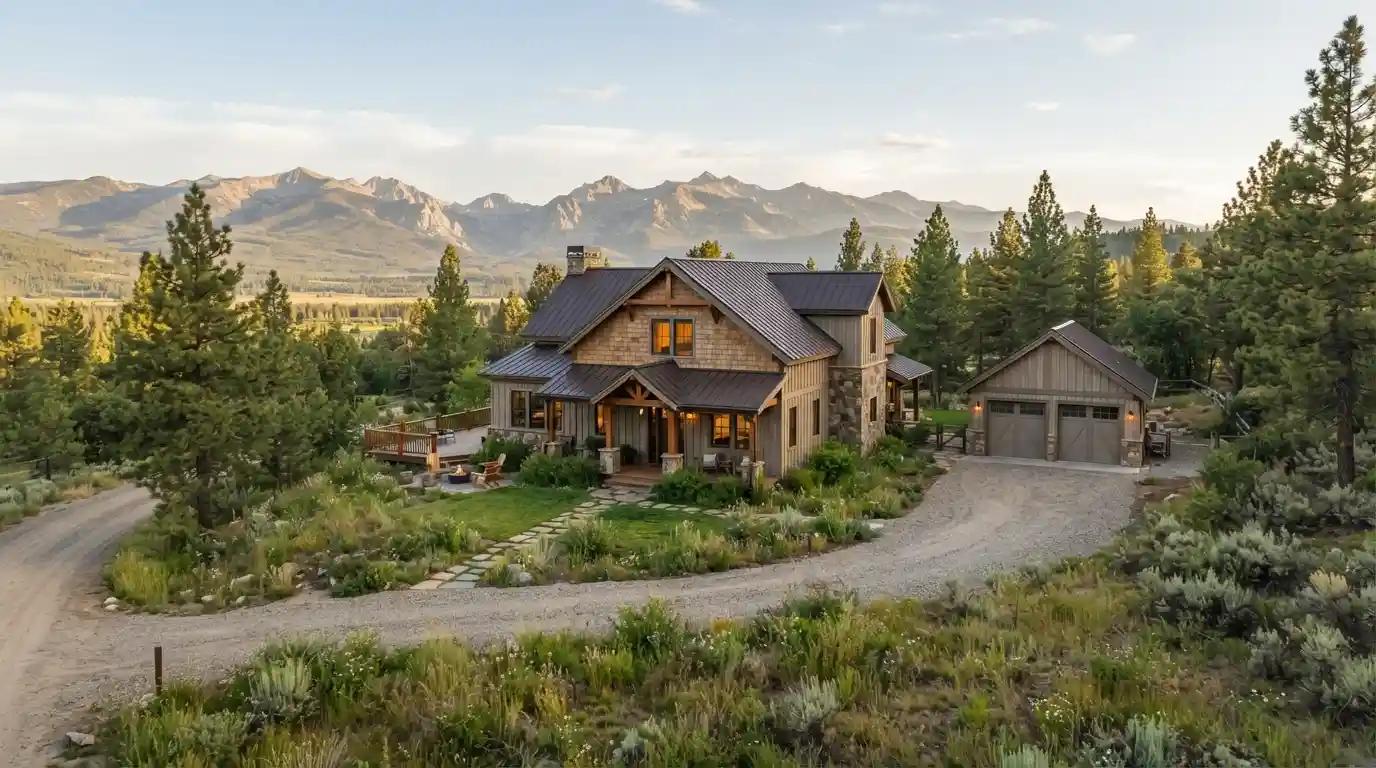
Whether you are searching for a primary residence, vacation property, land, or a long-term investment, the best deal is not necessarily the property with the lowest asking price. Value depends on location, land size, condition, access, utilities, zoning, potential improvements, and how well the property matches your intended use.
This guide explains how to approach the Sierraville market, what to look for when comparing properties, and how to identify opportunities without overlooking important costs.
Why Consider Sierraville, CA Real Estate?
Sierraville offers a different type of real estate experience from California’s major urban centers. The community sits in a scenic mountain environment where buyers may encounter residential properties, larger rural parcels, cabins, and land with different development characteristics.
The lifestyle can be particularly attractive to people who value outdoor recreation, privacy, open space, and proximity to mountain destinations. Buyers interested in California communities with strong lifestyle appeal can also explore our guide to places to visit in California during fall and our broader guide to the best places in California to visit.
At the same time, rural and mountain real estate requires more due diligence than simply comparing bedrooms and square footage. A property that looks inexpensive at first may require substantial investment in roads, utilities, maintenance, heating, snow management, or renovations.
What Makes a Real Estate Deal Attractive?
A good real estate deal should be evaluated from several angles rather than based solely on the listing price. Start by identifying the property’s actual purpose. A weekend retreat has different requirements from a full-time residence, rental property, or land investment.
Location and Accessibility
Location affects both lifestyle and long-term value. Consider proximity to major roads, nearby communities, recreational areas, essential services, and destinations you expect to visit regularly.
Accessibility deserves particular attention in a mountain environment. Ask how the property is accessed throughout the year and whether seasonal conditions could affect travel.
Property Condition
A lower purchase price can become expensive if the property needs major structural or mechanical work. Before making an offer, consider the roof, foundation, plumbing, electrical system, heating equipment, windows, insulation, drainage, and other major components.
Buyers comparing properties should think about total acquisition cost rather than the purchase price alone. Renovation budgets, inspections, insurance, taxes, maintenance, and ongoing utilities can materially change the economics of a purchase.
Lot Size and Usable Land
Land can be one of the most important factors in rural real estate. A larger parcel may provide privacy and flexibility, but acreage does not automatically mean greater usable value.
Check terrain, access, easements, utilities, water availability, setbacks, zoning, and potential development limitations before assuming that every part of a parcel can be used or developed.
Explore Different Types of Sierraville Properties
One advantage of looking beyond conventional suburban housing is the variety of property types that may appear in the wider Sierraville area.
Mountain Homes and Cabins
Cabins and mountain homes can appeal to buyers seeking a vacation retreat or a full-time residence with a more natural setting. Pay close attention to heating, insulation, winter access, exterior maintenance, and the condition of decks and other exposed structures.
Homes With Larger Lots
Properties with substantial acreage may provide more privacy and outdoor space. However, larger parcels can also involve higher maintenance requirements and more complicated access or utility considerations.
Land and Development Opportunities
Vacant land can sometimes provide an alternative entry point into the local real estate market. Before purchasing, verify zoning, permitted uses, road access, utility availability, water considerations, and any applicable development requirements.
For comparison, our article about real estate investment opportunities provides another perspective on evaluating property beyond the headline asking price.
How to Find Better Deals in Sierraville
1. Compare Multiple Listings
Never evaluate a property in isolation. Compare similar properties by location, lot size, condition, age, usable space, and features. Looking at several listings can help you understand whether an asking price appears reasonable.
2. Study Recent Comparable Sales
Recent comparable transactions can provide useful context when determining a property’s potential market value. Ideally, comparisons should involve properties with similar characteristics and locations.
3. Look Beyond Cosmetic Issues
Some properties may appear less attractive because they need cosmetic improvements. Fresh paint, flooring, landscaping, fixtures, and other relatively manageable updates can sometimes change the appearance of a home without requiring major structural work.
The key is separating cosmetic problems from expensive underlying issues.
4. Consider Properties With Longer Market Exposure
A property that has remained available for an extended period may deserve closer examination. Long market exposure does not automatically mean something is wrong, but it can create an opportunity to investigate the seller’s circumstances, property condition, pricing strategy, and buyer demand.
5. Evaluate the Total Cost
Calculate the likely purchase price, closing expenses, inspection costs, repairs, improvements, insurance, taxes, utilities, and maintenance. A property with a higher asking price can sometimes have lower overall ownership costs than a cheaper property requiring extensive work.
Real Estate Investment Considerations
Buyers considering Sierraville as an investment should define their strategy before purchasing. Possible objectives include long-term appreciation, a vacation property, a personal retreat, or rental income where legally and practically appropriate.
Real estate investors can also learn from broader concepts such as CAM in real estate, particularly when evaluating properties that involve shared costs or commercial considerations.
If your strategy involves improving and reselling a property, understanding the economics of property presentation can also be useful. Our guide to real estate staging provides additional context about the role staging can play in property marketing.
What Buyers Should Check Before Making an Offer
Due diligence is especially important when buying property in a rural or mountain setting. Before committing to a purchase, investigate the following areas:
- Property boundaries and legal access
- Zoning and permitted property uses
- Water source and availability
- Septic or sewer arrangements
- Electrical and utility connections
- Road maintenance responsibilities
- Insurance availability and coverage requirements
- Heating system and fuel source
- Roof and structural condition
- Drainage and terrain
- Snow and winter accessibility
- Potential environmental or land-use restrictions
- Property taxes and recurring ownership costs
Buyers should also consider the relationship between property value and the surrounding community. Broader research into real estate investment markets can help illustrate why location, demand, and property characteristics all matter when assessing an investment.
Think About the Lifestyle, Not Just the Property
One of the strongest reasons people consider mountain communities is lifestyle. If you enjoy outdoor recreation and scenic environments, the surrounding region can become an important part of your property decision.
For buyers comparing California destinations, our guides to San Diego, Napa Valley, and California destinations with snow provide useful examples of the state’s very different lifestyle markets.
Travel-oriented research can also help buyers understand how a location fits into a wider regional itinerary. Related guides include travel between Los Angeles and San Francisco and places to visit near major airports when comparing accessibility and travel patterns.
Sierraville vs. Nearby Real Estate Markets
It can be useful to compare Sierraville with nearby communities rather than focusing on one market exclusively. Buyers may find differences in property inventory, lot sizes, amenities, accessibility, and pricing.
Nearby-market comparisons can reveal whether a particular property provides something difficult to find elsewhere, such as a larger parcel, greater privacy, a distinctive setting, or proximity to recreational destinations.
For a broader understanding of California property and destination differences, you can also explore our California travel guide and related destination content covering Palm Springs and other California locations.
Common Mistakes to Avoid
Even an attractive listing can become a poor purchase if important details are overlooked. Avoid making a decision solely because a property appears inexpensive or visually appealing.
Common mistakes include skipping inspections, underestimating renovation costs, failing to investigate access, assuming all acreage is developable, overlooking insurance requirements, and ignoring long-term maintenance.
Another mistake is allowing emotion to replace financial analysis. A beautiful mountain setting can be compelling, but buyers should still determine whether the property fits their budget and intended use.
How to Build a Smart Sierraville Property Search
A structured search can make the process easier. Start by establishing your maximum budget and preferred property type. Then identify must-have features such as acreage, bedrooms, road access, views, privacy, or proximity to specific destinations.
Next, divide potential properties into three groups: properties that closely match your requirements, properties with potential but requiring improvements, and properties that do not meet your essential criteria.
This approach prevents attractive but unsuitable listings from consuming your time.
Final Thoughts on Sierraville, CA Real Estate
Sierraville, CA real estate can appeal to buyers who want a mountain-oriented lifestyle, more space, and a different pace from California’s major urban markets. Finding a genuinely good deal requires more than finding the lowest asking price.
The strongest approach is to compare properties carefully, investigate the land and infrastructure, understand the total ownership cost, and evaluate how each property fits your long-term goals.
Whether you are looking for a home, cabin, land, or investment opportunity, patience and thorough due diligence can help you distinguish an attractive listing from a property that genuinely offers value.