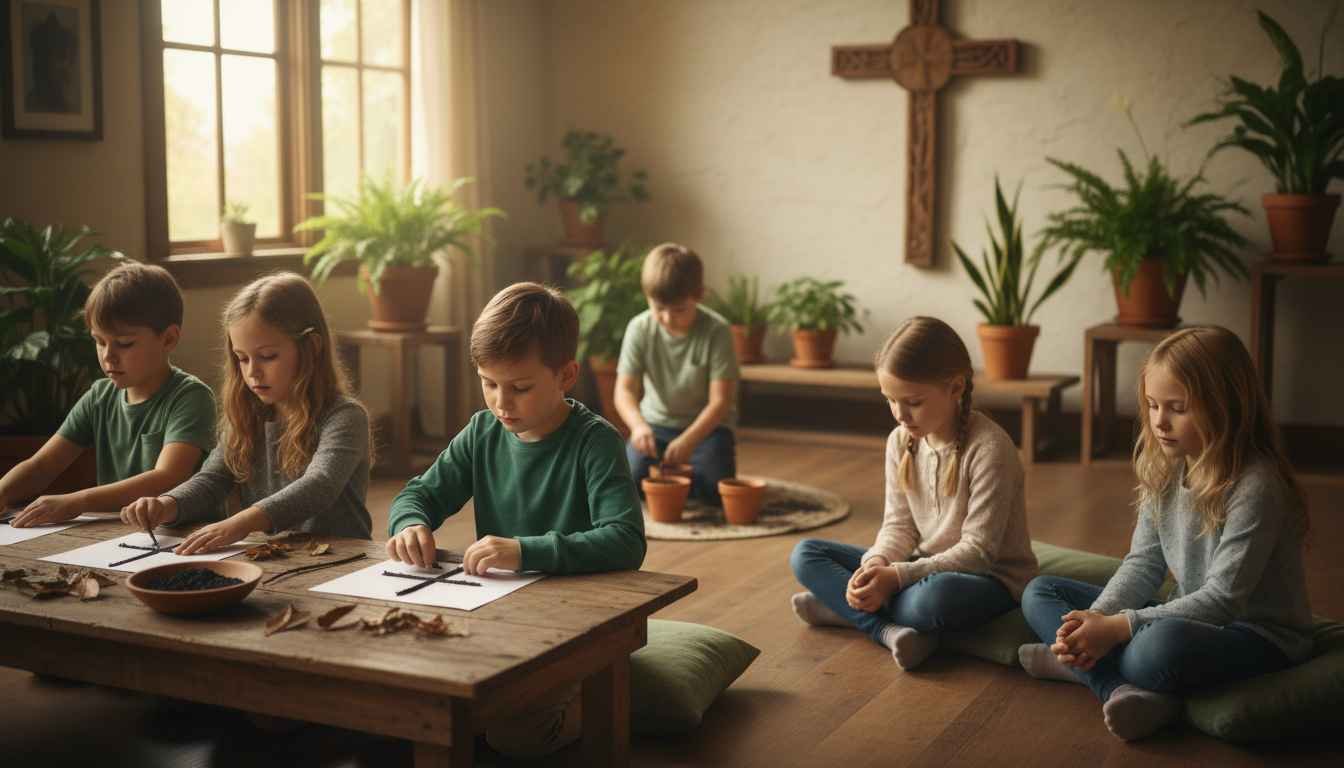
“Here comes the sun, doo-doo-doo-doo,” – a melody that whispers new beginnings. Ash Wednesday marks the start of Lent, a season of reflection, mindfulness, and gentle change. For children, it can be a mysterious day filled with rituals they may not fully understand. Transforming this into a hands-on, engaging experience helps them connect with the spiritual and natural world without pressure.
Engaging kids in Ash Wednesday activities doesn’t require elaborate setups. By embracing simplicity, you can guide them to meaningful participation while fostering creativity and calm. Think of it as a gentle adventure where mindfulness meets playful learning. These ideas are perfect for families seeking exclusive, high-quality moments that feel curated and special.
At Mud &, we focus on connecting children with experiences that spark curiosity and reflection, blending nature, creativity, and ritual. Below is a structured guide, broken into phases, that you can follow to create memorable Ash Wednesday moments.
Phase 1: Preparing the Space
Before any activity begins, create an environment that feels serene and intentional. Gather a few natural elements – small bowls of soil, stones, twigs, or leaves. Use a simple cloth as a workspace and invite your child to arrange the items. This sets the stage for mindfulness and tactile exploration.
Lighting a candle or playing soft instrumental music adds to the ambiance. Explain that Ash Wednesday is about thinking of others, being kind, and slowing down. Even small gestures like arranging nature items help children understand preparation and intention.
Phase 2: Making Ashes
Traditional ashes come from burned palms, but you can simplify with a minimalist approach. Collect dry leaves, small twigs, or unused paper and carefully burn them in a safe, supervised environment. Once reduced to soft ash, place it in a small dish. Let your child gently explore the texture with their fingers, connecting tactile experience to reflection.
This activity helps children learn patience and the symbolism of change – something old transforming into something new. Encourage them to think of one small act of kindness or one intention for the coming weeks, linking the physical ashes to emotional growth.
Phase 3: Ash Cross Activity
Teach children how to make a simple ash cross on paper or on their hand using a cotton swab. This can also be done outdoors on stones or leaves with the ash they’ve made. Explain the symbolism: the cross reminds us of love, care, and new beginnings.
For younger children, you can turn this into a creative twist by allowing them to decorate the cross with natural pigments, sand, or flower petals. This keeps the activity engaging and helps them feel ownership over the ritual.
Phase 4: Reflection Through Story
Stories are powerful tools for reflection. Choose short, meaningful tales about kindness, change, or gratitude. After reading, prompt your child to share their thoughts or draw a picture inspired by the story. This nurtures emotional awareness and gives them a safe space to express feelings associated with Lent.
Keep the conversation gentle and age-appropriate. Use questions like, “How can we show kindness this week?” or “What small change can make a difference?” This reinforces mindfulness and keeps the activity grounded in real-life application.
Phase 5: Nature Walk for Contemplation
Take your child outdoors for a quiet walk, collecting leaves, stones, or twigs along the way. Encourage them to observe shapes, textures, and colors, linking the walk to mindfulness. You can ask them to create a mini “gratitude collection” from what they find, fostering awareness of the natural world and appreciation for simple things.
This phase combines physical movement with reflection, helping children internalize the concepts of Lent in a hands-on, sensory way. It’s an exclusive, immersive moment that requires no technology, just presence and observation.
Potential Drawbacks
While these activities are enriching, some children may feel overwhelmed by structured reflection or ritual. Avoid forcing participation – gentle invitation is key. Additionally, always supervise activities involving fire or ashes to ensure safety. Keep materials minimal to prevent overstimulation and maintain the intended calm atmosphere.
Cheat Sheet: Quick Ash Wednesday Activities for Kids
- Prepare a calm workspace with natural items.
- Create safe ashes from leaves, twigs, or paper.
- Make simple ash crosses on hands, paper, or stones.
- Read short stories about kindness and change.
- Take a mindful nature walk to collect gratitude items.
- Encourage reflection with gentle, open-ended questions.
- Keep the experience short, safe, and playful.
By following these minimalist, luxurious, and mindful phases, Ash Wednesday becomes a memorable and engaging experience for children. The combination of tactile, reflective, and nature-based activities fosters emotional growth while keeping the process simple and intentional.