Latin America offers an enormous range of travel experiences, from colonial cities and Caribbean beaches to mountain landscapes, rainforests, archaeological sites, and vibrant cultural centers. For travelers planning their first trip to the region, however, safety is often one of the biggest factors in choosing where to go.
This guide explores safest places to visit in Latin America while focusing on destinations that combine appealing travel experiences with practical considerations such as established tourism infrastructure, manageable urban environments, popular visitor areas, and opportunities to travel with sensible precautions.
If you are still comparing destinations, you may also want to explore our guide to the most popular places to visit in Mexico, along with other destination guides available throughout ThinkRove.
What Makes a Latin American Destination Feel Safer?
Travel safety is about more than looking at a country’s overall crime statistics. Visitors should also consider the specific destination, transportation options, accommodation location, local tourism infrastructure, access to healthcare, and the activities they plan to undertake.
For example, a major city may have areas that are comfortable for visitors alongside neighborhoods where tourists should exercise considerably more caution. Similarly, a remote nature destination may have relatively little crime but still present risks related to transportation, weather, hiking conditions, wildlife, or limited medical access.
For that reason, the destinations below should be viewed as places worth researching rather than as guarantees of personal safety.
1. Costa Rica
Costa Rica is one of the most established tourism destinations in Central America and is particularly appealing to travelers who want a combination of nature, outdoor activities, and accessible tourist infrastructure.
The country is known for rainforests, beaches, volcanoes, wildlife reserves, and adventure activities. Visitors can combine time in cities and coastal communities with national parks and mountain destinations.
Popular areas such as Guanacaste are especially attractive for travelers looking for beaches and resort-style accommodation. Families can also find plenty of activities suited to different ages.
Petty theft remains something travelers should take seriously, particularly around crowded tourist areas. Keeping valuables secure, avoiding unattended belongings, and using reputable transportation are sensible precautions.
For families, our guide to the best places to visit in Costa Rica with kids can help expand your itinerary planning.
2. Uruguay
Uruguay is a compact South American country with a relaxed travel atmosphere, attractive coastal communities, historic neighborhoods, and a relatively straightforward travel experience.
Montevideo provides a mixture of architecture, markets, cultural attractions, waterfront areas, and restaurants, while Punta del Este is known for beaches and a more resort-oriented atmosphere.
Because Uruguay is smaller than many of its neighbors, travelers can combine multiple experiences without covering enormous distances. This makes it particularly appealing for visitors who prefer a slower itinerary.
As with any urban destination, travelers should remain aware of their surroundings, especially at night and in less familiar areas.
3. Chile
Chile stretches along the western edge of South America and offers remarkable geographic variety. Travelers can experience major cities, Pacific coastline, wine regions, deserts, forests, lakes, and Patagonia within the same country.
Santiago is a common starting point, while destinations farther south appeal to hikers and outdoor enthusiasts. Northern Chile is home to the Atacama Desert, while Patagonia provides some of the continent’s most dramatic scenery.
Travelers visiting Santiago should use normal big-city precautions in crowded areas, especially when carrying phones, cameras, or other valuables.
For travelers interested in broader seasonal travel planning, our guide to snow destinations in California provides another example of how seasonal conditions can shape an outdoor-focused itinerary.
4. Panama
Panama is an attractive option for travelers who want a combination of modern city life, tropical scenery, beaches, and cultural experiences.
Panama City provides convenient access to restaurants, museums, historic areas, shopping, and transportation connections. Beyond the capital, visitors can explore islands, beaches, rainforests, and smaller communities.
The Panama Canal is naturally one of the country’s best-known attractions, while areas away from the capital offer opportunities for nature and adventure tourism.
Travelers should research neighborhoods before booking accommodation and use established transportation services when moving around unfamiliar areas.
5. Argentina
Argentina offers one of the most diverse travel experiences in South America. Buenos Aires combines European-influenced architecture, restaurants, museums, nightlife, and cultural attractions, while destinations such as Mendoza and Patagonia offer very different experiences.
Mendoza is particularly attractive for travelers interested in wine, mountain scenery, and outdoor activities. Patagonia appeals to hikers, photographers, and travelers seeking dramatic natural landscapes.
Large cities require ordinary urban awareness. Keep important documents secure, avoid displaying expensive belongings unnecessarily, and research the neighborhoods you plan to visit.
6. Paraguay
Paraguay receives less international tourism attention than some of its neighbors, which can make it an interesting choice for travelers looking for a less crowded South American experience.
Asunción offers historic attractions, local cuisine, cultural experiences, and access to the country’s broader network of destinations. Travelers interested in nature and regional history can also explore areas beyond the capital.
Paraguay can work particularly well for travelers who enjoy exploring destinations that are outside the region’s most heavily visited tourist routes.
7. Mexico
Mexico is one of the world’s most diverse travel destinations, with beaches, colonial cities, archaeological sites, food traditions, mountain communities, and enormous metropolitan areas.
Safety in Mexico is highly location-specific, so travelers should avoid treating the entire country as one uniform destination. Choosing the right city, neighborhood, transportation options, and activities can make a significant difference to the overall travel experience.
Mérida, for example, is known for its colonial architecture, Yucatecan culture, food, and access to nearby archaeological and natural attractions. Travelers can also explore destinations throughout the Yucatán Peninsula.
For additional trip inspiration, see our guide to the most popular places to visit in Mexico.
8. Belize
Belize is an appealing choice for travelers who want a Caribbean atmosphere combined with Central American culture and outdoor adventure.
The country is especially well known for marine activities, tropical landscapes, Mayan archaeological sites, and opportunities to explore forests and coastal communities.
San Pedro and other established tourism areas provide a range of accommodation and activities for international visitors.
Travelers should still use normal precautions with valuables and should research transportation arrangements before traveling to remote areas.
9. Peru
Peru is one of the most culturally and geographically diverse destinations in South America. Its attractions range from Lima’s culinary scene to Cusco, the Sacred Valley, and the archaeological landscapes surrounding Machu Picchu.
Travelers interested in history can spend days exploring ancient sites, museums, and traditional communities, while outdoor enthusiasts can build itineraries around mountains and high-altitude landscapes.
Because Peru includes major cities, remote mountain areas, and high-altitude destinations, safety considerations vary considerably by itinerary.
Travelers should also take altitude seriously when visiting places such as Cusco and other high-elevation destinations. Allowing time to acclimatize can make the trip more comfortable.
10. Colombia
Colombia has become an increasingly popular destination for travelers interested in culture, food, architecture, Caribbean scenery, coffee regions, and major cities.
Cartagena is particularly well known for its historic center and Caribbean atmosphere, while Medellín offers a different combination of urban culture, mountain scenery, and modern public spaces.
Safety varies substantially between cities and neighborhoods, so travelers should research their specific accommodation area rather than relying on countrywide assumptions.
Keeping phones and wallets secure in crowded locations, using reputable transportation, and avoiding isolated areas after dark are sensible precautions.
11. Ecuador
Ecuador offers an unusually broad range of experiences for a relatively compact country. Travelers can explore colonial architecture, Andean landscapes, Pacific coastlines, Amazonian environments, and the Galápagos Islands.
The Galápagos is particularly appealing to nature lovers because of its distinctive wildlife and protected ecosystems. Trips to the islands require advance planning and should follow local environmental and visitor regulations.
Mainland Ecuador requires more destination-specific research because conditions can vary considerably from one location to another. Travelers should check current local conditions before departure and keep transportation plans organized.
12. Bolivia
Bolivia is an excellent option for travelers interested in dramatic landscapes and cultural experiences. La Paz, Sucre, Salar de Uyuni, and the country’s highland regions each offer something different.
Visitors should be particularly aware of altitude when planning a Bolivian itinerary. La Paz and several other destinations sit at elevations that can affect travelers who are not acclimatized.
For remote excursions, choosing experienced local guides and established tour operators can help reduce logistical risks.
13. Dominican Republic
The Dominican Republic is a popular Caribbean destination with extensive resort infrastructure, beaches, historic areas, and outdoor activities.
Punta Cana is particularly well known for its resort areas and beaches, making it attractive to travelers seeking a relatively straightforward vacation with organized accommodation and activities.
Santo Domingo offers a more urban and historical experience, including the Colonial Zone and cultural attractions.
Travelers should still follow normal precautions, particularly outside established tourist zones and when traveling independently at night.
14. El Salvador
El Salvador has attracted growing interest from travelers interested in beaches, surfing, volcanoes, food, and cultural experiences.
Surf destinations along the Pacific coast can be especially appealing to visitors looking for outdoor activities. The country is compact, which makes it possible to combine several experiences during a relatively short trip.
Because conditions can change, travelers should check current local information before departure and use reputable transportation and accommodation providers.
15. Guatemala
Guatemala is a fascinating destination for travelers interested in Mayan history, colonial architecture, volcanoes, lakes, and traditional culture.
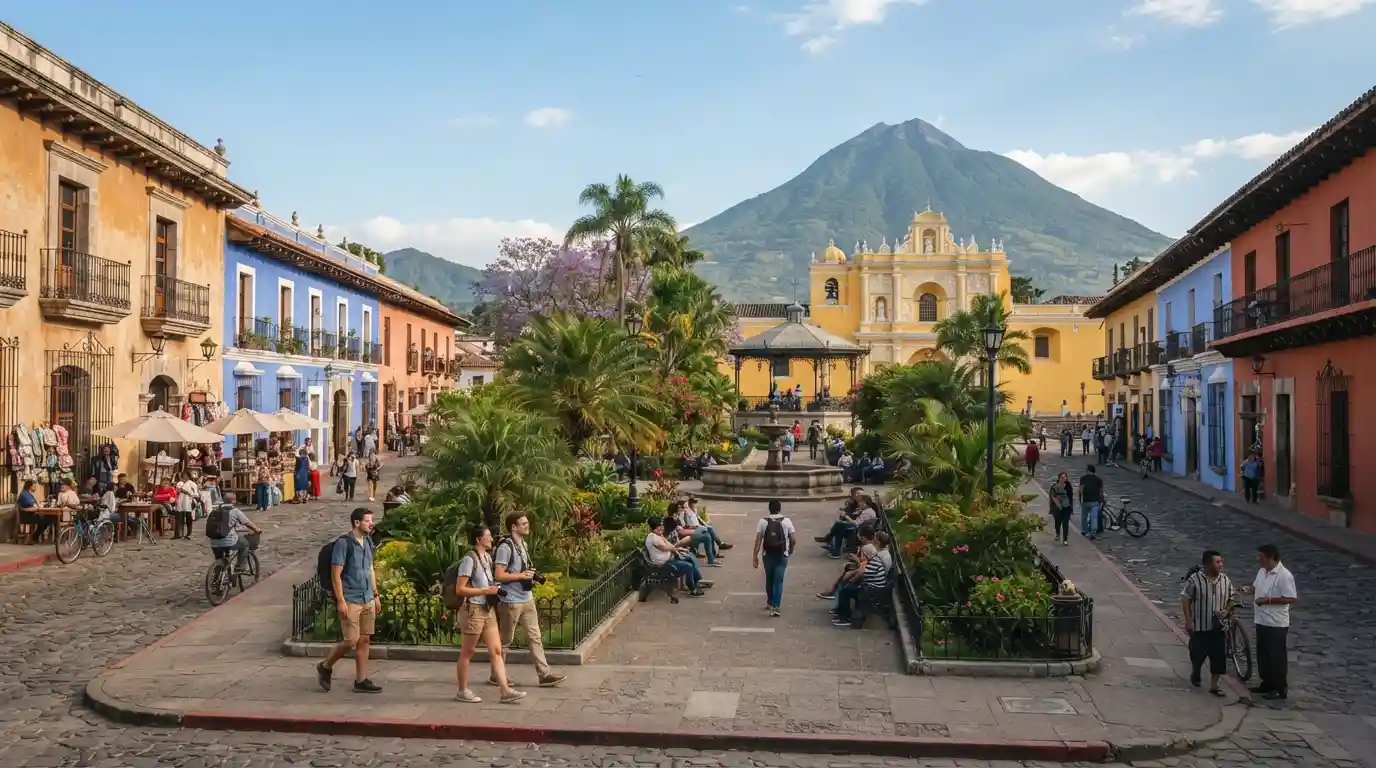
Antigua Guatemala is one of the country’s most popular visitor destinations, while Lake Atitlán provides dramatic scenery surrounded by communities with distinctive local traditions.
Tikal and other archaeological sites provide another major reason to visit Guatemala. Travelers heading to remote areas should plan transportation carefully and consider using established guides or tour operators.
Other Latin American Destinations Worth Researching
The destinations above are not the only places worth considering. Latin America contains a huge variety of travel environments, and the right choice depends on your interests, budget, experience level, and itinerary.
Travelers who enjoy comparing destinations can also explore our guides to the best places to visit in South and Central America and the best places to visit in Africa when considering other international travel options.
For travelers focused on unusual experiences, our guide to unusual places to visit in the United States offers another source of inspiration.
How to Stay Safe While Traveling in Latin America
Research the Specific Destination
Do not rely only on a country’s overall reputation. Research the city, neighborhood, attraction, and transportation route you will actually use.
Choose Accommodation Carefully
Location matters. Read recent reviews, understand the surrounding neighborhood, and consider how you will get back to your accommodation after dark.
Use Reputable Transportation
Use established taxis, rideshare services where available, hotel-arranged transportation, or reputable tour operators. Avoid accepting unsolicited transportation offers from strangers.
Protect Your Valuables
Carry only what you need during daily excursions. Keep passports, extra cash, cards, and important documents in a secure location rather than carrying everything together.
Be Careful in Crowded Places
Public transportation, markets, festivals, busy streets, and tourist attractions can create opportunities for pickpocketing. Keep bags closed and phones secure.
Be More Cautious at Night
Even destinations that feel comfortable during the day can have different conditions after dark. Avoid isolated streets and unfamiliar neighborhoods at night, particularly when traveling alone.
Keep Emergency Information Available
Save your accommodation details, emergency contacts, travel insurance information, and relevant local numbers before leaving for your trip.
Check Conditions Before Departure
Safety conditions can change because of weather, demonstrations, transportation disruptions, local events, or other circumstances. Check current official travel information shortly before departure.
Choosing the Right Destination for Your Travel Style
The safest-feeling destination for one traveler may not be the same for another. Families may prioritize reliable transportation, accessible healthcare, and easy-to-navigate tourist areas. Adventure travelers may care more about reputable guides and organized excursions.
Couples may prefer smaller cities and resort areas, while experienced travelers may be comfortable with more independent itineraries.
It is also useful to consider whether you prefer cities, beaches, mountains, archaeological sites, wildlife, or cultural experiences. For example, travelers who prioritize nature may want to compare destinations with our guide to places to visit in tropical rainforests.
Planning a Latin America Trip by Season
Seasonality can have a major impact on your experience. Rainfall, hurricanes, high-altitude weather, winter conditions, and peak tourist seasons can all influence where and when you travel.
Travelers comparing seasonal destinations can also explore our guides to New Hampshire in fall, California during fall, and Alberta in winter for broader seasonal travel inspiration.
Final Thoughts
Latin America should not be treated as one uniform travel destination. Safety varies by country, city, neighborhood, activity, transportation method, and time of day.
Costa Rica, Uruguay, Chile, Panama, Argentina, Paraguay, Mexico, Belize, Peru, Colombia, Ecuador, Bolivia, the Dominican Republic, El Salvador, and Guatemala all offer different combinations of culture, nature, history, and adventure. The best approach is to research the specific destination and build an itinerary around current conditions rather than relying on broad assumptions.
With sensible planning, secure transportation, careful accommodation choices, awareness of your surroundings, and up-to-date local information, travelers can experience many of the region’s remarkable destinations while making informed decisions about their personal safety.