Whether you operate a plumbing company, electrical business, landscaping service, construction operation, repair business, or another mobile trade, the right insurance structure can help protect the business from financial losses associated with covered accidents, property damage, liability claims, and other risks.
This guide explains the basic considerations behind artisan and truck insurance, how coverage can fit into a broader business protection strategy, and what business owners should evaluate before selecting a policy.
What Is Artisan and Truck Insurance?
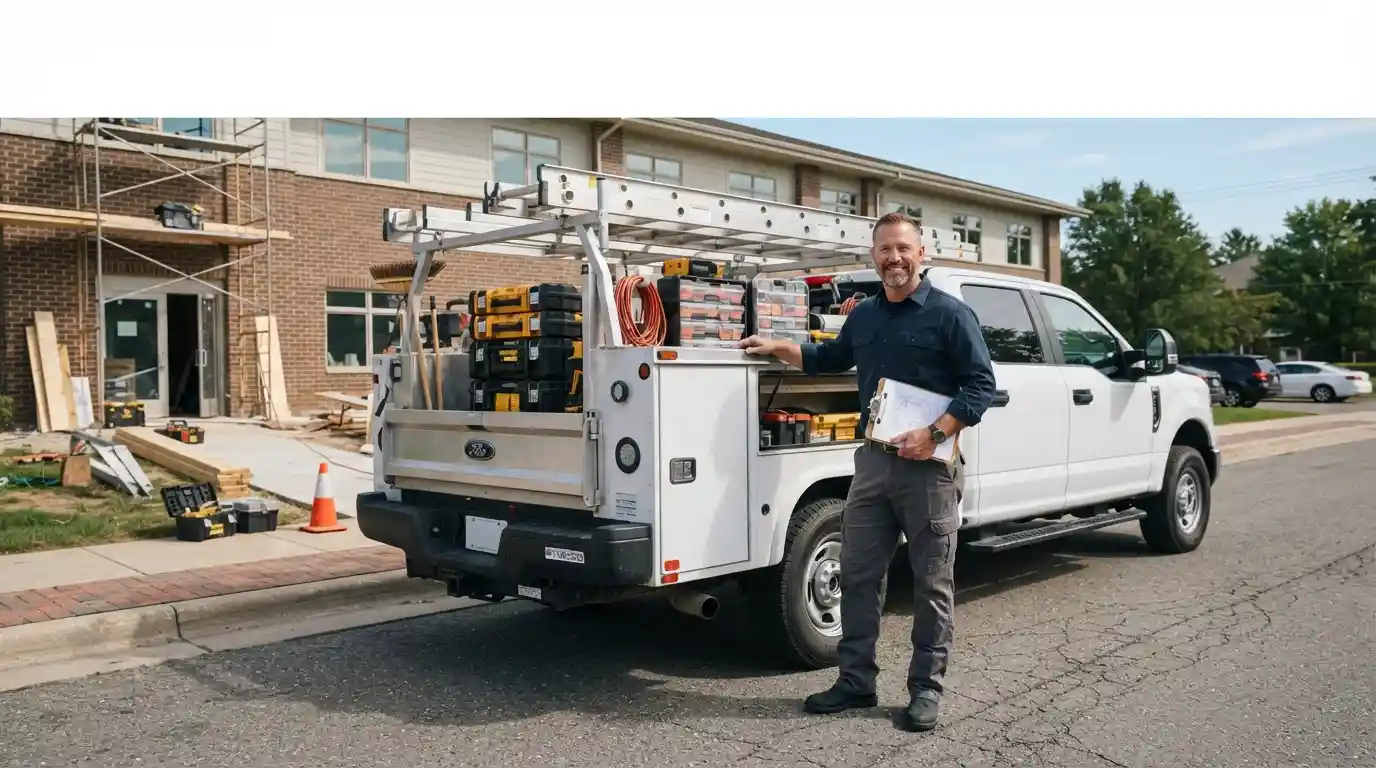
Artisan and truck insurance generally refers to insurance solutions designed for businesses whose work involves skilled trades and commercial vehicles. An artisan contractor may use a truck, van, or other vehicle to travel between job sites while carrying tools, equipment, inventory, or materials.
The exact coverage available depends on the insurer, business activities, vehicles, drivers, state requirements, and policy terms. Some businesses may need several complementary policies rather than one product that covers every risk.
For example, a contractor could have commercial auto coverage for business vehicles while maintaining separate general liability, workers’ compensation, or property coverage for other aspects of the operation.
Why Commercial Vehicle Coverage Matters for Artisan Businesses
Personal auto insurance is generally designed around personal vehicle use. When a vehicle is regularly used for business purposes, the business owner should determine whether the existing policy appropriately addresses that use.
A commercial vehicle may be exposed to different risks because it can spend significant time on the road, carry business equipment, visit multiple locations, or be driven by employees. A collision involving a work vehicle can therefore create costs that extend beyond repairing the vehicle itself.
Business owners should consider how vehicles are actually used rather than choosing coverage based solely on the vehicle’s size or appearance.
Businesses That May Need Artisan and Truck Insurance
Artisan and commercial vehicle insurance can be relevant to many mobile businesses. Examples include:
- Plumbing contractors
- Electrical contractors
- HVAC professionals
- Roofing contractors
- Landscaping businesses
- General contractors
- Carpentry businesses
- Painting contractors
- Cleaning companies
- Repair and maintenance businesses
- Construction subcontractors
- Specialty trade contractors
The appropriate insurance combination will vary according to the services performed, vehicle types, equipment carried, employees, customers, and operating locations.
Key Coverage Areas to Consider
Commercial Auto Insurance
Commercial auto coverage is one of the central considerations for a business that owns or regularly uses vehicles for work. Depending on the policy, coverage may address certain liabilities and physical damage involving covered vehicles.
Businesses should review vehicle ownership, driver information, vehicle use, operating radius, and the types of vehicles involved when discussing commercial auto insurance with an insurance professional.
General Liability Insurance
A work vehicle is only one part of a contractor’s risk profile. A customer, property owner, or third party could also make a liability claim connected with business operations.
General liability insurance can form an important part of a contractor’s broader risk-management strategy. Businesses should review the specific limits, exclusions, and conditions of any policy rather than assuming that every potential claim is covered.
For businesses that also maintain commercial property or operate from a dedicated location, understanding the relationship between liability and property protection can be useful. Related insurance considerations can also be explored alongside property insurance concepts.
Tools and Equipment Protection
Tradespeople often carry expensive tools and specialized equipment. A business owner should determine how those items are protected when they are stored, transported, or used away from the primary business location.
Coverage for tools and equipment can differ significantly between policies. Some policies may contain specific limits, exclusions, deductibles, or conditions that apply to equipment away from the premises.
Workers’ Compensation
Businesses with employees may have additional insurance responsibilities. Workers’ compensation requirements vary by jurisdiction and can depend on factors such as the number of employees and the nature of the business.
Because artisan businesses frequently involve physical work and job-site activity, owners should understand the requirements applicable to their business before hiring or expanding their workforce.
Businesses evaluating broader employee and organizational risk can also consider how business insurance protection fits into their overall risk-management approach.
How Fleet Size Changes Insurance Considerations
A company with one work truck may have very different insurance needs from a company operating several trucks, vans, or specialized vehicles.
As a fleet grows, the business owner may need to manage multiple drivers, vehicle records, maintenance schedules, claims histories, and operating patterns. Keeping accurate information can make insurance administration easier and help the business evaluate its risk profile.
Businesses with commercial transportation activities can also benefit from understanding specialized insurance categories. For example, commercial fleet insurance planning should be considered alongside the particular vehicles and services the company operates.
Factors That Can Affect Insurance Costs
Insurance pricing is not determined by a single factor. Insurers can consider a range of business and vehicle characteristics when evaluating a policy.
- Type and number of vehicles
- Vehicle usage
- Driving radius
- Driver records
- Claims history
- Business activities
- Coverage limits
- Deductibles
- Location
- Value of equipment and vehicles
- Number of employees and drivers
- Policy structure and applicable endorsements
Because these variables differ from one business to another, business owners should avoid relying on a generic quoted price as an indication of what another contractor will pay.
How to Evaluate an Artisan and Truck Insurance Policy
Choosing insurance should involve more than comparing premiums. A lower premium may come with different limits, deductibles, exclusions, or coverage conditions.
1. Identify Your Actual Business Risks
Start by listing the vehicles, equipment, employees, contractors, job sites, services, and customer interactions involved in the business.
This creates a clearer picture of where financial exposure may occur and helps identify which insurance products need closer review.
2. Review Every Vehicle
Record the make, model, year, ownership status, primary use, and regular drivers of each business vehicle. If employees use company vehicles, driver eligibility and usage policies should also be considered.
3. Understand Coverage Limits
Coverage limits determine how much protection a policy provides for covered losses. Businesses should consider their potential exposure rather than selecting limits based only on the lowest available premium.
4. Examine Deductibles
A deductible represents an amount the insured may be responsible for before certain covered losses are paid under the policy. Business owners should make sure selected deductibles are consistent with the company’s ability to absorb unexpected expenses.
5. Read Exclusions and Conditions
Exclusions can be just as important as covered events. Before purchasing a policy, review what is not covered, what conditions apply, and whether additional endorsements are available for specialized risks.
Insurance for Businesses With Specialized Vehicles
Not every commercial vehicle operates in the same way. A pickup used by a residential contractor presents a different risk profile from a heavy truck used for transportation, delivery, or specialized commercial work.
Businesses should describe vehicle usage accurately when requesting insurance. Misunderstanding how a vehicle is used can create problems if a claim occurs and the actual operation differs from the information provided to the insurer.
Companies involved in transportation should also understand specialized commercial coverage concepts. Resources covering commercial insurance planning can provide additional context when evaluating broader protection.
Protecting Business Operations Beyond the Truck
A commercial vehicle is often only one component of a mobile trade business. The company may also have an office, warehouse, tools, inventory, employees, computers, customer records, and other assets.
That means insurance planning should look at the business as a complete operation instead of focusing exclusively on the vehicle.
For example, businesses with property exposure may need to review commercial property protection, while companies with employees may need to address employment-related insurance requirements. Businesses that transport goods may also need to investigate coverage specifically related to cargo or transportation activities.
For businesses with significant transportation exposure, reviewing logistics and shipping operations can also help identify areas where additional risk-management planning may be necessary.
Reducing Preventable Fleet Risks
Insurance is only one part of managing fleet risk. Businesses can also establish practical procedures that reduce preventable incidents.
- Maintain vehicles according to manufacturer recommendations.
- Keep driver records and vehicle information organized.
- Establish clear rules for company vehicle use.
- Train employees on safe driving practices.
- Inspect vehicles regularly.
- Secure tools and equipment during transportation.
- Document accidents promptly.
- Review recurring claims and operational problems.
These practices do not eliminate the possibility of an accident, but they can help a company build a more structured approach to fleet management.
Insurance and Business Continuity
An accident involving a work vehicle can affect more than transportation. If a key vehicle is unavailable, the business may have difficulty reaching job sites, transporting equipment, or completing scheduled work.
Business owners should therefore consider how an insurance event could affect daily operations. A broader continuity plan can help the company respond when equipment, vehicles, employees, or facilities become temporarily unavailable.
This is particularly relevant to businesses that depend heavily on transportation and logistics. Related supply-chain and logistics considerations can provide useful context for companies whose operations depend on reliable movement of goods and equipment.
Insurance Considerations for Growing Contractors
Insurance needs can change as a small trade business grows. A contractor that begins with one vehicle may eventually employ additional drivers, acquire more trucks, expand its service area, or add new services.
Every major operational change should prompt a review of existing insurance arrangements. A policy that was appropriate for a small operation may not automatically address a larger fleet or expanded business activity.
Growth can also introduce financing and asset-management considerations. Businesses acquiring equipment or vehicles may want to review related financing arrangements, such as the considerations discussed in commercial equipment financing.
Comparing Insurance Providers
When comparing providers, business owners should look beyond the headline premium. Important comparison points can include coverage limits, deductibles, exclusions, policy conditions, claims processes, available endorsements, and the insurer’s ability to support the business as its operations change.
It can also be useful to maintain a written inventory of vehicles, equipment, and business assets so that information can be reviewed consistently when policies are renewed.
Businesses with specialized transportation or fleet needs may also find it useful to compare their insurance requirements with other commercial protection categories, including insurance compliance considerations relevant to their operating jurisdiction.
Questions to Ask Before Buying Coverage
Before selecting a policy, consider asking an insurance professional questions such as:
- Which vehicles and business uses are covered?
- Are employees permitted to drive the vehicles?
- How are tools and equipment transported in the vehicle treated?
- What liability limits are available?
- Which exclusions could affect my business?
- Are additional endorsements necessary?
- How do deductibles apply?
- What information is required for each driver?
- How should newly purchased vehicles be added?
- How should a claim be reported?
- What changes should trigger a policy review?
Artisan and Truck Insurance: A Practical Approach
The right insurance strategy starts with understanding how the business actually operates. A contractor who drives to multiple job sites, carries valuable tools, employs workers, and operates several vehicles may need a combination of insurance products rather than a single policy.
Business owners should review their vehicle use, liability exposure, equipment, employees, operating area, and growth plans before deciding what coverage is appropriate.
It is also important to remember that insurance policies differ. Coverage descriptions, limits, exclusions, deductibles, and conditions should always be reviewed in the actual policy documents and discussed with a qualified insurance professional.
Final Thoughts
Artisan and truck insurance can play an important role in protecting trade businesses that depend on commercial vehicles and mobile operations. From commercial auto coverage and general liability to equipment protection and employee-related requirements, a complete risk-management strategy should reflect the way the business actually works.
As the company grows, its insurance needs may change as well. Regularly reviewing vehicles, drivers, equipment, operations, and coverage limits can help business owners keep their insurance strategy aligned with the business.
The goal is not simply to find the cheapest policy. It is to understand the risks involved, identify appropriate coverage, and make informed decisions about how the business and its fleet should be protected.